不是跟周诚闹别扭 而是跟我自己闹别扭
“I'm not fighting with Zhou Cheng, but myself.”
THE DIALOGUE REEL
不是 跟周诚 闹别扭 而 是 跟我 自己 闹别扭
“I'm not fighting with Zhou Cheng, but myself.”
“So many accidents have happened recently. I can't help but suspect”
“He did nothing wrong; my own overthinking and self-doubt are torturing me.”
'闹别扭' captures minor emotional friction; applying it reflexively to oneself highlights deep existential overthinking and self-blame.
LEARNING CHUNKS & PARTICLES
to be at odds / to have a tiff / to sulk
Colloquial term specifically used for petulant squabbles or unspoken resentment between close people.
not... but rather...
Standard rhetorical pattern used to clarify misconceptions and emphasize the true cause.
VOCABULARY & EXPRESSIONS
Parallel Spoken Cinema Scenes (语义近邻切片)
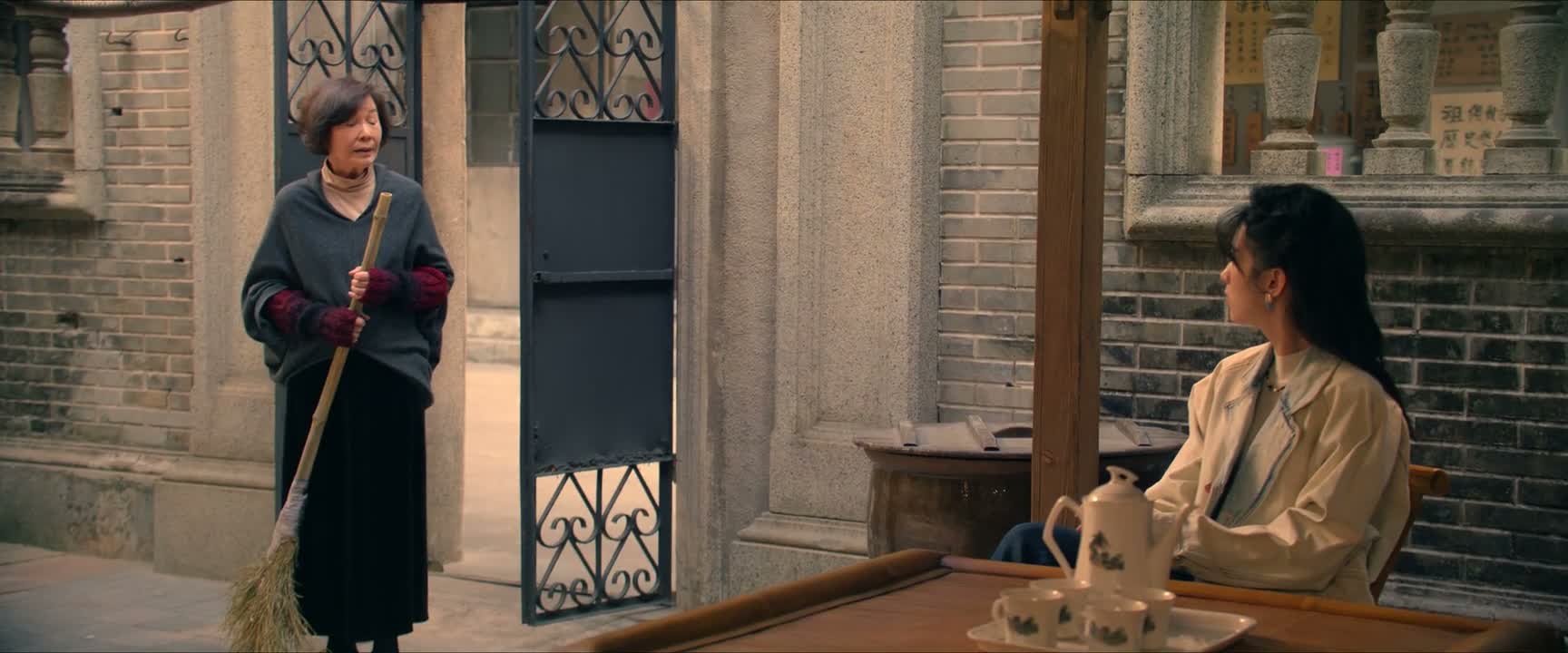
“Are you fighting with Zhou Cheng?”

“You're not making things hard for Zhou Cheng— you're making things hard for me!”

“♪ Wipe away the glistening tears in your eyes ♪ No. I came back with Zhou Cheng.”

“Thank you, Zhou Cheng, for pulling me out of this chaos.”

“perhaps the story between her and Zhou Cheng would have turned out differently.”

“What's going on? Why are you guys fighting? Jiang Cheng,”