他可以自己决定想不想要见我
“so he can decide for himself whether he wants to see me.”
THE DIALOGUE REEL
他是个成年人
“Well, he is a grown man,”
他 可以 自己决定 想不想要 见我
“so he can decide for himself whether he wants to see me.”
他可能是个成年人 但这个决定不是由他来做的
“He may be a grown man, but the decision is not his to make.”
“Back off; you do not own him and you cannot make his choices for him.”
In Chinese family disputes, younger or marginalized relatives often invoke individual agency ('自己决定') against paternalistic gatekeepers who attempt to control interpersonal access.
LEARNING CHUNKS & PARTICLES
to decide for oneself
Used to emphasize individual agency and freedom from outside control.
whether one wants or not
An affirmative-negative question form embedded as an object clause to indicate an open choice.
VOCABULARY & EXPRESSIONS
Parallel Spoken Cinema Scenes (语义近邻切片)
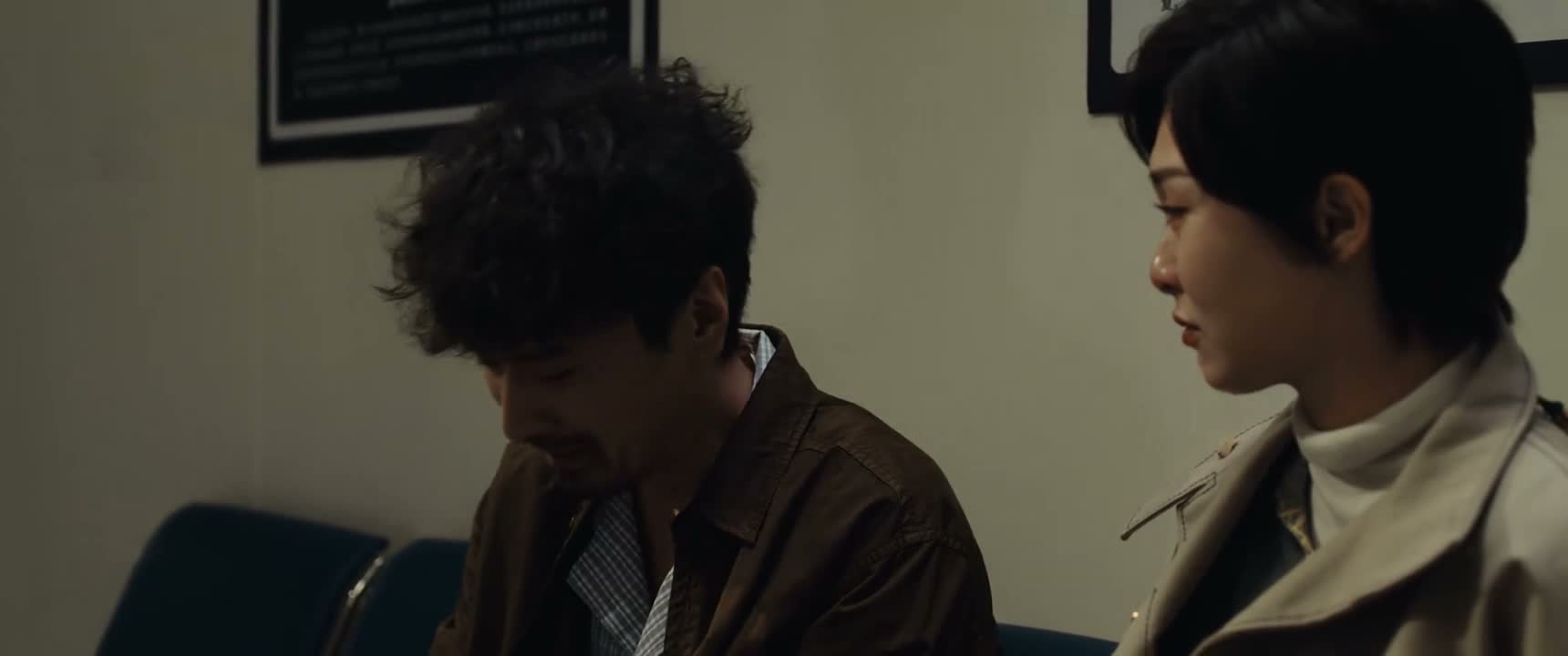
“I... I don't know if he wants to see me.”

“I can only promise not to see him.”
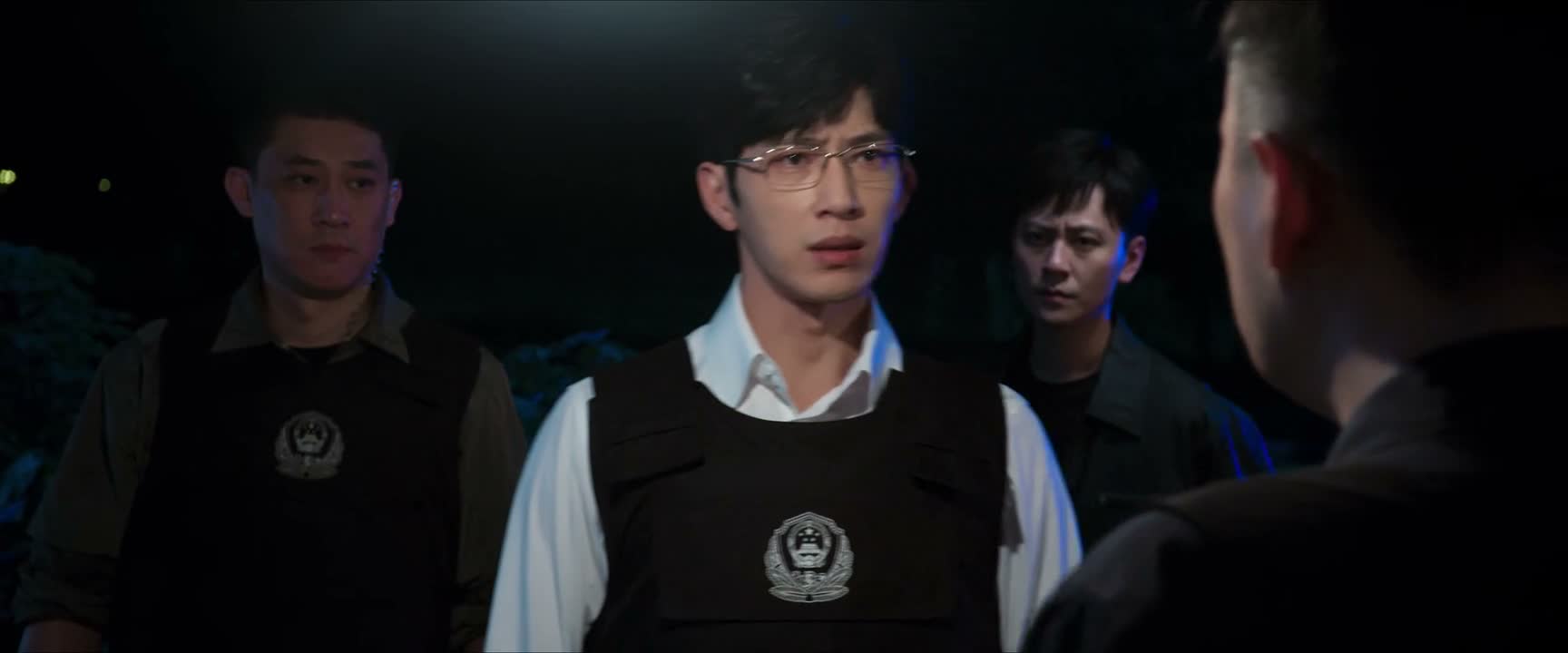
“he asked to meet me alone. I'm sure he has his own demands.”

“Uncle Li is really nice. I didn't want to go.”

“Can he at least not stay with me?”

“I only want to see him once.”