你一开始你就别招我呀
“You shouldn't have come to me in the first place.”
THE DIALOGUE REEL
那么混蛋的话呀
“something so awful?”
你 一开始 你就 别招我 呀
“You shouldn't have come to me in the first place.”
还记得我们刚刚在一起的时候
“Back when we first got together,”
“You pursued me and made me fall for you, and now you treat me like trash.”
In Chinese romantic culture, initiating romantic interest ('招惹') carries moral responsibility; abandoning someone after pursuing them is viewed as especially cruel and untrustworthy.
LEARNING CHUNKS & PARTICLES
at the very beginning / from the start
Used to trace current problems back to the origin of the situation.
mess with me / flirt with me / provoke me
Northern colloquial expression referring to initiating contact, teasing, flirting, or provoking someone.
Heightens emotional intensity and exasperation in an accusatory exclamation.
VOCABULARY & EXPRESSIONS
Parallel Spoken Cinema Scenes (语义近邻切片)
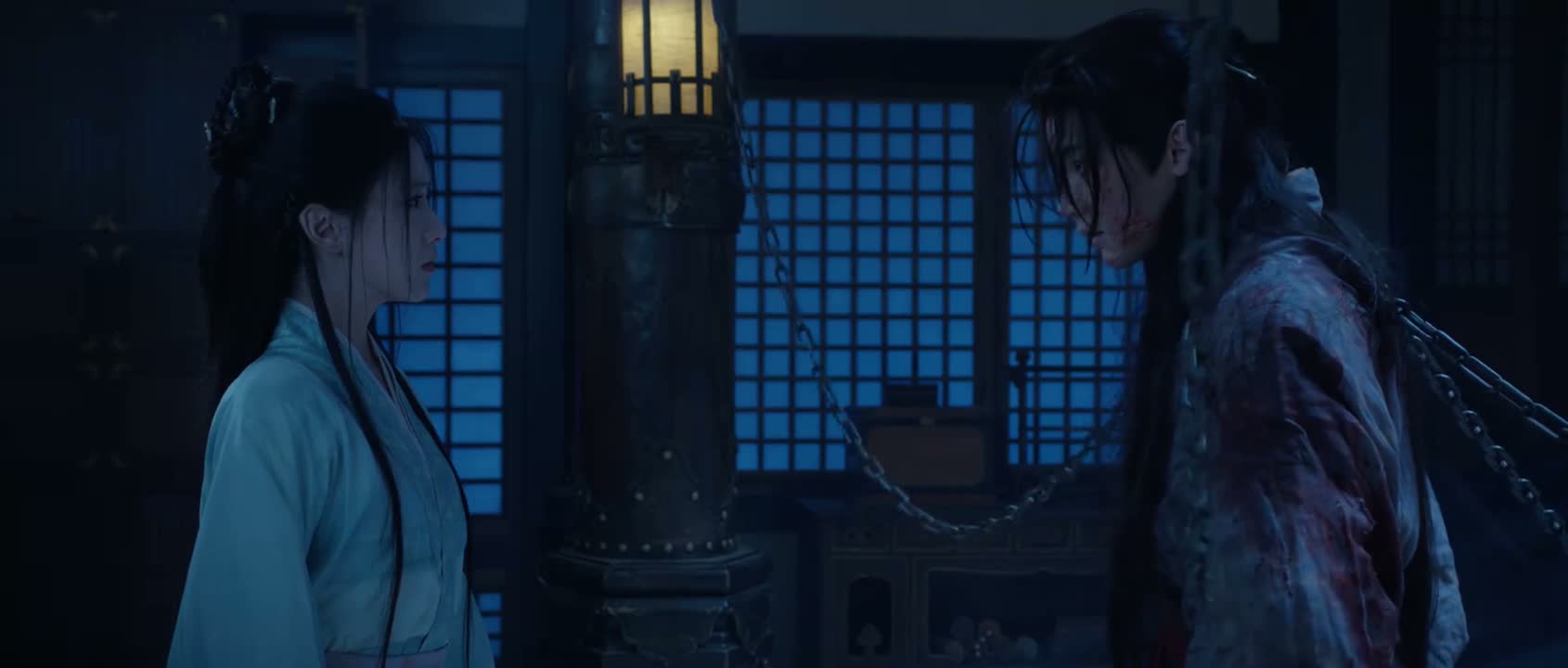
“From the first time you provoked me,”

“Just now, you confessed to all of them.”

“I shouldn't have married you. I'm sorry to be such a burden.”

“He brought you on. Why would he want to?”
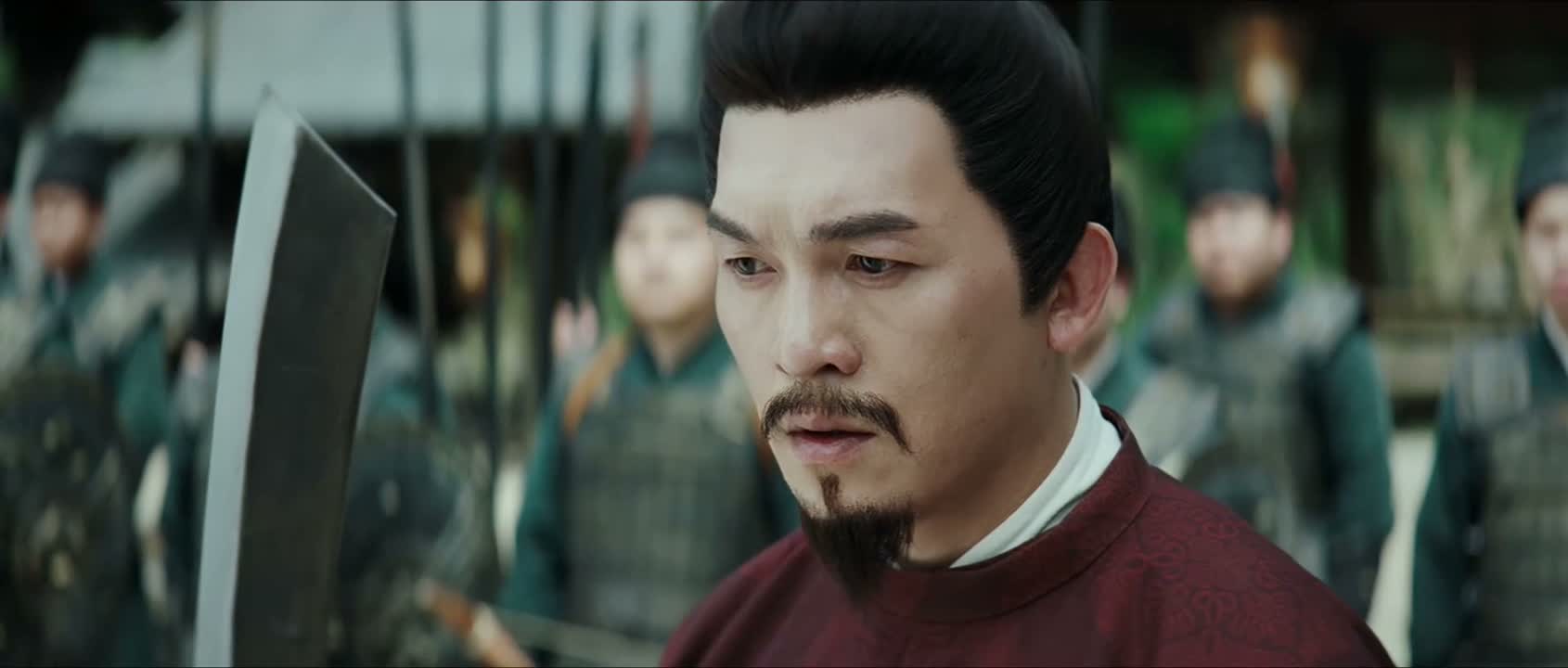
“are you still refusing to confess?”

“Since you insist on provoking me...”