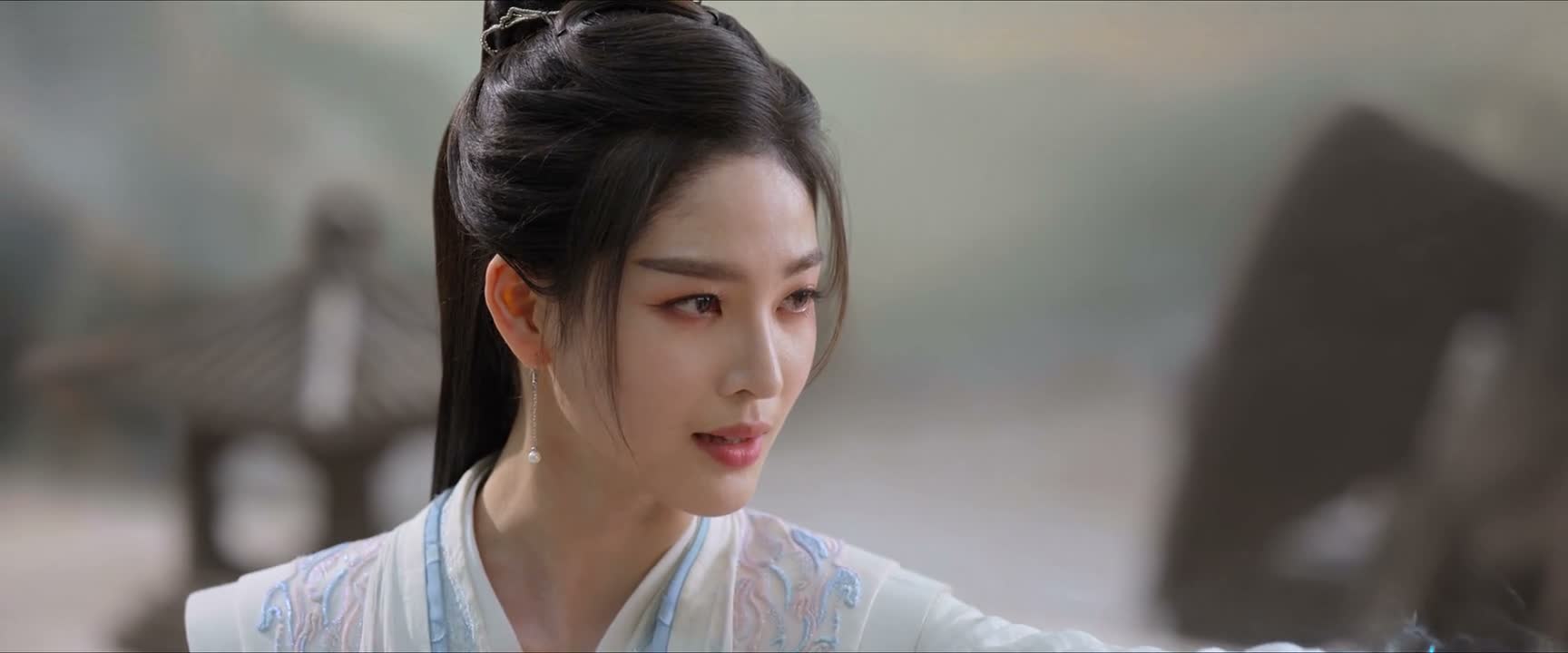
这一身坏毛病也不知道跟谁学的
“I don't know where you learned these bad habits”
THE DIALOGUE REEL
你干点正经事不行吗
“Can't you do something proper?”
这一身 坏毛病 也不知道 跟谁学的
“I don't know where you learned these bad habits”
我跟你说
“Let me tell you”
“You have turned into an absolute mess, and it infuriates me.”
Chinese parents often deflect shame by rhetorically asking where bad habits came from, reinforcing moral discipline while insisting the family did not teach such misbehavior.
LEARNING CHUNKS & PARTICLES
full of bad habits / flaws from head to toe
A vivid colloquial phrase to scold someone who displays numerous irritating flaws or poor discipline.
who did you learn that from?
A rhetorical reprimand used by elders or peers to condemn newly acquired misbehavior.
VOCABULARY & EXPRESSIONS
Parallel Spoken Cinema Scenes (语义近邻切片)

“♪ For all the days of our lives, our love will endure ♪ Where did you learn all this?”

“she'll have in the future. Yeah.”
“I guess she must have picked up bad habits from you.”