你还是跟以前一样 敢做不敢认
“you haven't changed at all— you dare to do it but not own up to it.”
THE DIALOGUE REEL
林晩星
“Lin Wanxing,”
你 还是 跟以前一样 敢做不敢认
“you haven't changed at all— you dare to do it but not own up to it.”
没做过的事情
“Why would I admit to”
“Stop lying to yourself and others; you are still the coward you have always been.”
Traditional Chinese morality places high value on 'doing and owning up to it' (敢做敢当); turning this into '敢做不敢认' is a severe insult to someone's integrity and moral backbone.
LEARNING CHUNKS & PARTICLES
daring to do something but lacking the courage to admit it
A powerful four-character colloquial idiom used to reprimand someone for dodging responsibility after wrongdoing.
just like before / unchanged
Used to point out persistent, often disappointing habits or traits in someone known for a long time.
VOCABULARY & EXPRESSIONS
Parallel Spoken Cinema Scenes (语义近邻切片)
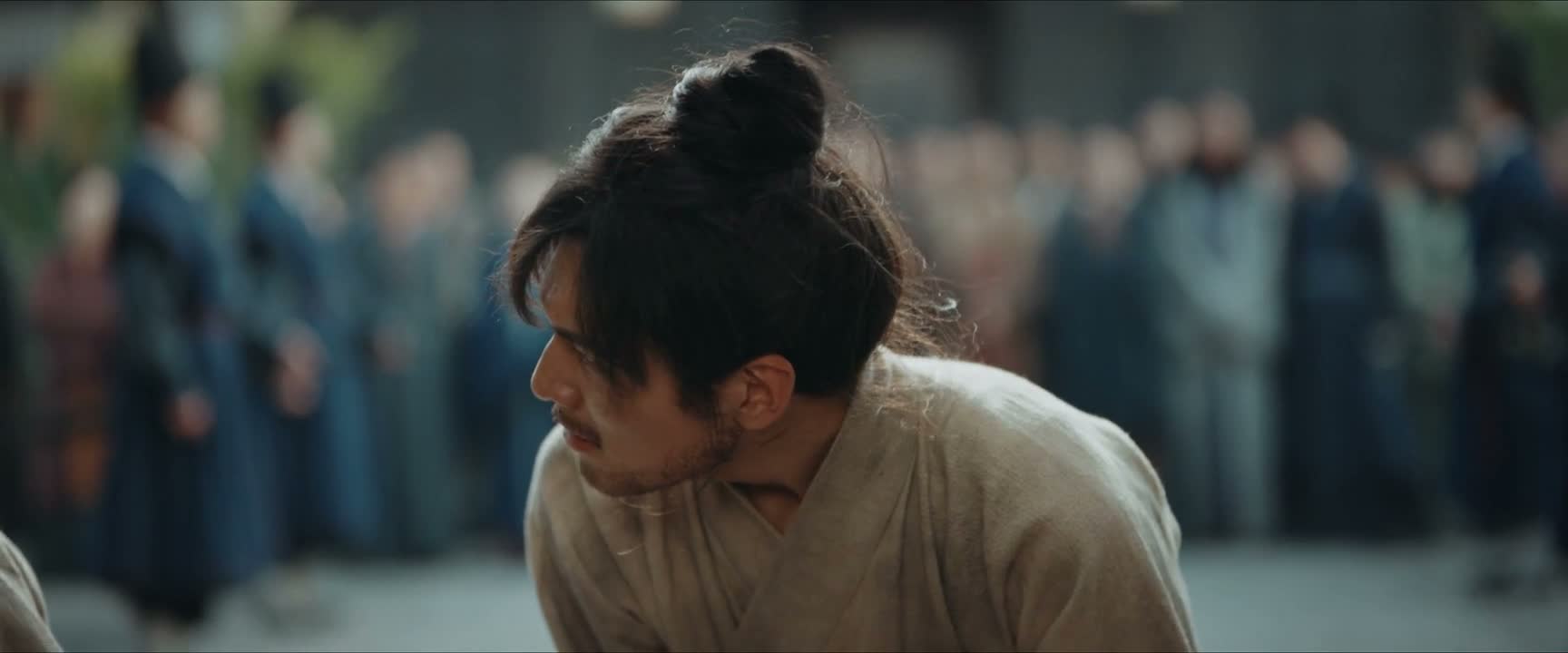
“do you dare to do it but not admit it?”

“Will you dare to do it again? I won't dare. I won't.”

“Don't you know whether I dare to do it or not?”

“I won't dare anymore. I will never act on my own again.”
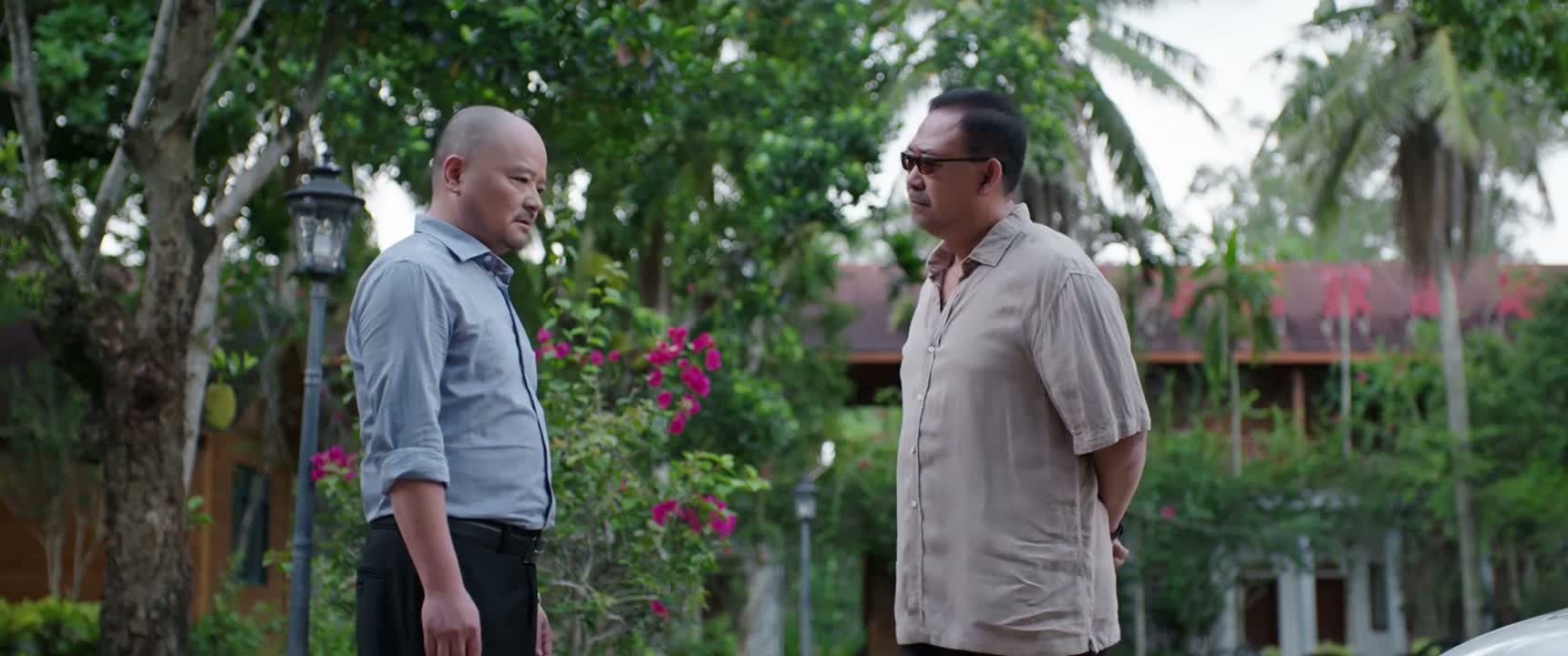
“Coward, won't own up to what he did.”

“You dare not confess to them because in fact, you don't believe”