你早上走的时候为什么不告诉我
“Why didn't you tell me when you left this morning?”
THE DIALOGUE REEL
晚自习
“Evening self-study?”
你早上走 的时候 为什么不告诉我
“Why didn't you tell me when you left this morning?”
老师临时加的
“It was added last minute.”
“You should keep me informed so I don't worry or suspect you're up to something.”
In Chinese family culture, children are expected to report their schedule details ('报备') to parents to show respect and alleviate parental worry.
LEARNING CHUNKS & PARTICLES
at the time of leaving; when leaving
A natural time clause marker used to refer back to a departure moment earlier in the day.
why didn't/don't (you)
Direct interrogative pattern often carrying a tone of reproach or complaint.
VOCABULARY & EXPRESSIONS
Parallel Spoken Cinema Scenes (语义近邻切片)

“Why didn't you tell me sooner?”

“Why didn't you tell me when you went out?”

“Why didn't you tell me about such a big thing at the time?”
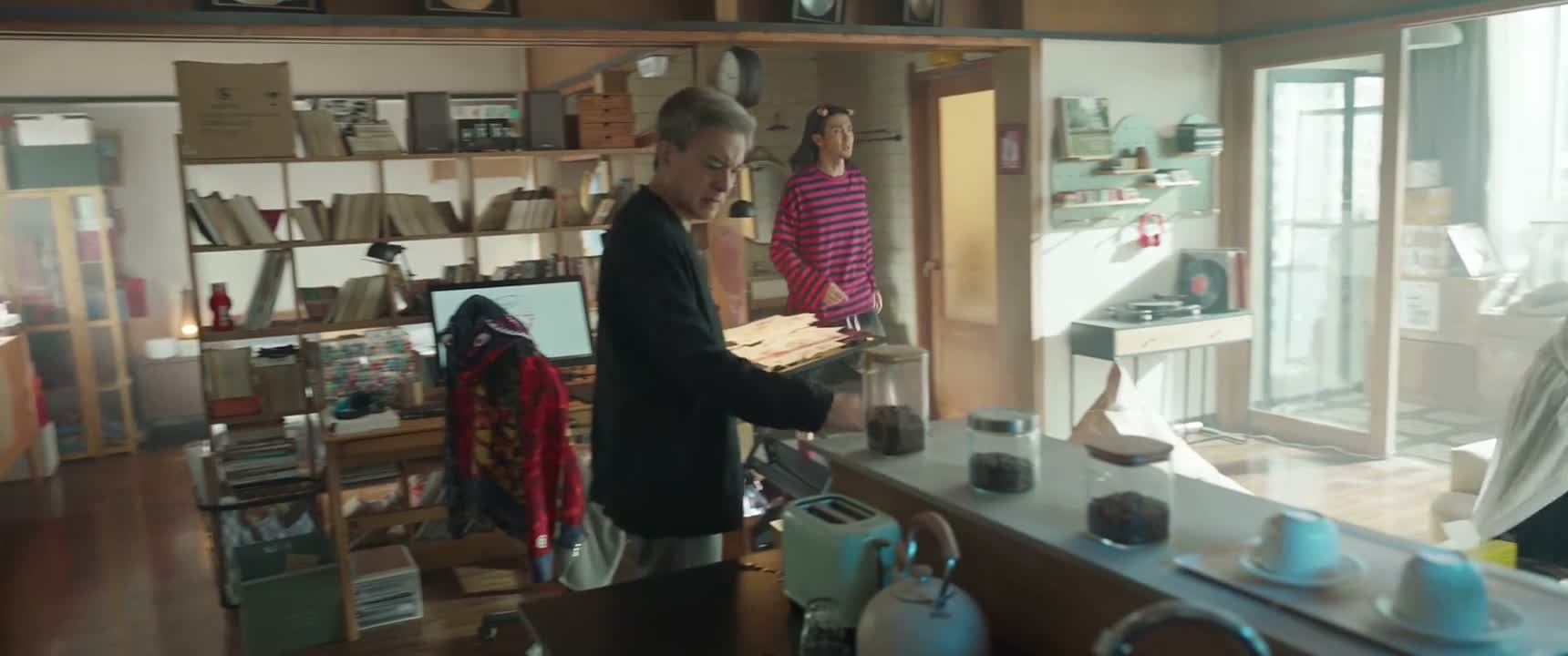
“Why didn't you let me down?”

“Why didn't you tell me you were coming?”

“Why didn't you give us a heads-up? A heads-up?”