有一天在家没事儿干 我收拾东西
“One day, when I was tidying up”
THE DIALOGUE REEL
我已经黔驴技穷了
“It drove me crazy. I felt completely drained of ideas.”
有一天 在家 没事儿干 我 收拾东西
“One day, when I was tidying up”
就找到你那本日记了
“and found your diary.”
“I wasn't snooping on purpose; it just happened while I was cleaning.”
In Chinese interpersonal communication, framing an invasive discovery as an accidental byproduct of routine chores softens blame and preserves relational harmony.
LEARNING CHUNKS & PARTICLES
having nothing to do / bored
A very common northern spoken expression used to justify random or unexpected actions.
tidying up / packing things
Standard phrase for general tidying, organizing, or packing up belongings.
VOCABULARY & EXPRESSIONS
Parallel Spoken Cinema Scenes (语义近邻切片)

“I didn't pack my stuff; it's all at home.”

“Haven't tidied it up much. I'll sleep in here tonight.”
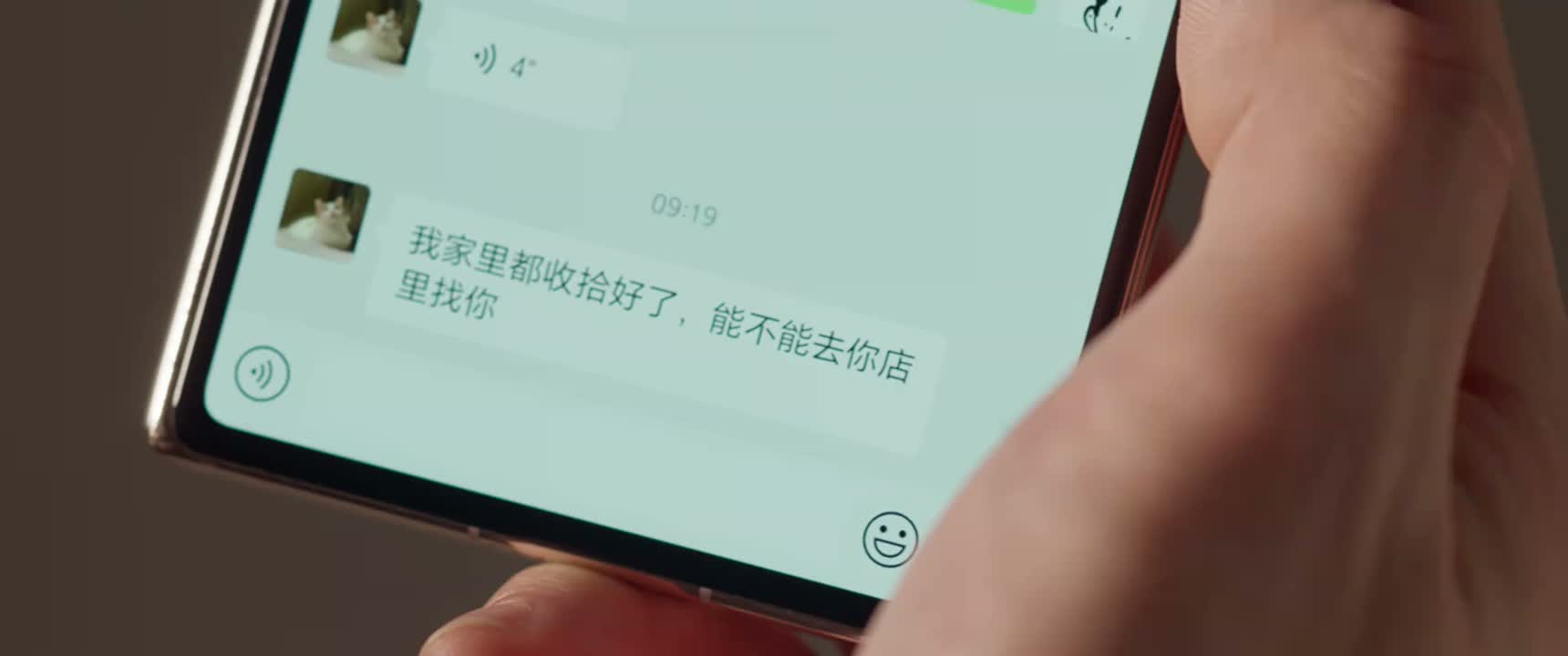
“I've already tidied up my place.”

“he cleaned the house thoroughly.”

“I cleaned up everything that I possibly could.”
“We had nothing to do at home anyway.”