太史丞学坏了
“You've become mischievous.”
THE DIALOGUE REEL
不要 我抄了一整晚
“No! I worked on those all night.”
太 史丞 学坏了
“You've become mischievous.”
药方写给你了 用的全是上好的药材 嫩肤祛斑
“Here's the prescription. I used the best medicinal materials to perfect the skin.”
“You're getting sneaky and know how to play tricks now!”
In Chinese social interaction, playfully accusing someone of having 'gone bad' or becoming sly signals intimacy and affection rather than actual moral judgment.
LEARNING CHUNKS & PARTICLES
to pick up bad habits / to become corrupted or sly
Often used lightheartedly among friends when someone acts cheeky, manipulative, or untypically sly.
Indicates a newly realized change of behavior or state.
VOCABULARY & EXPRESSIONS
Parallel Spoken Cinema Scenes (语义近邻切片)
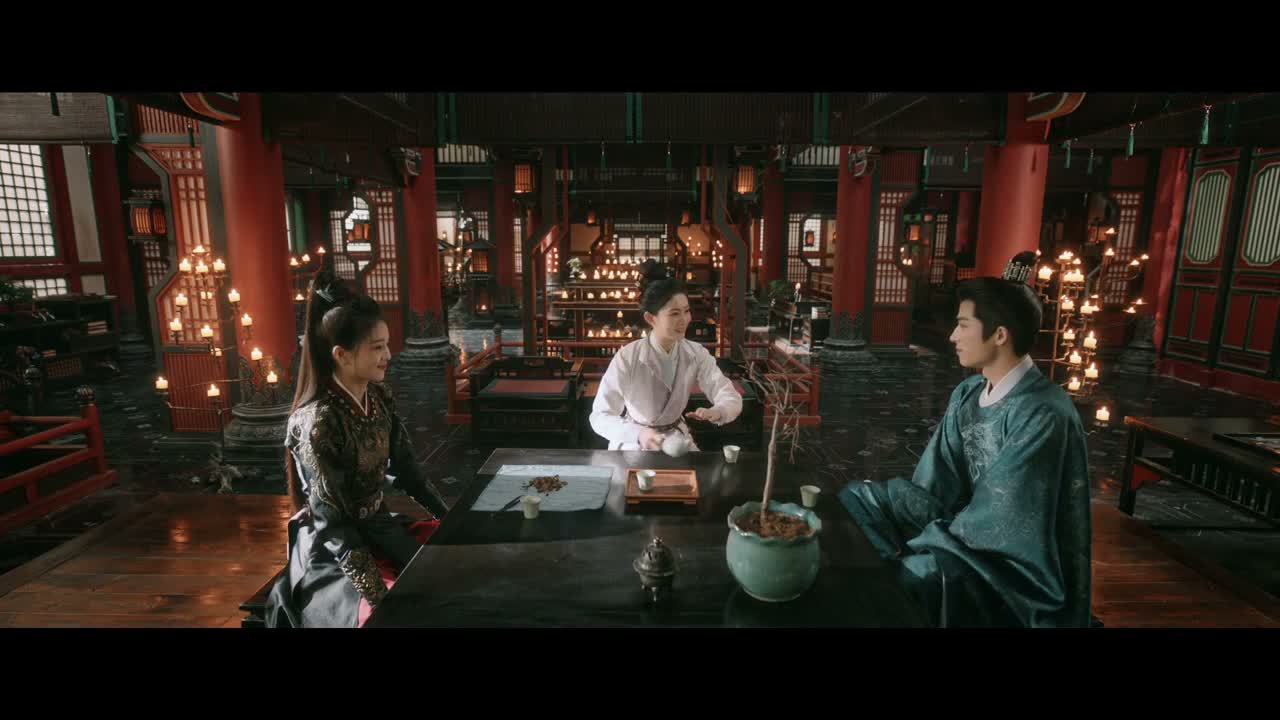
“You're unbelievable.”
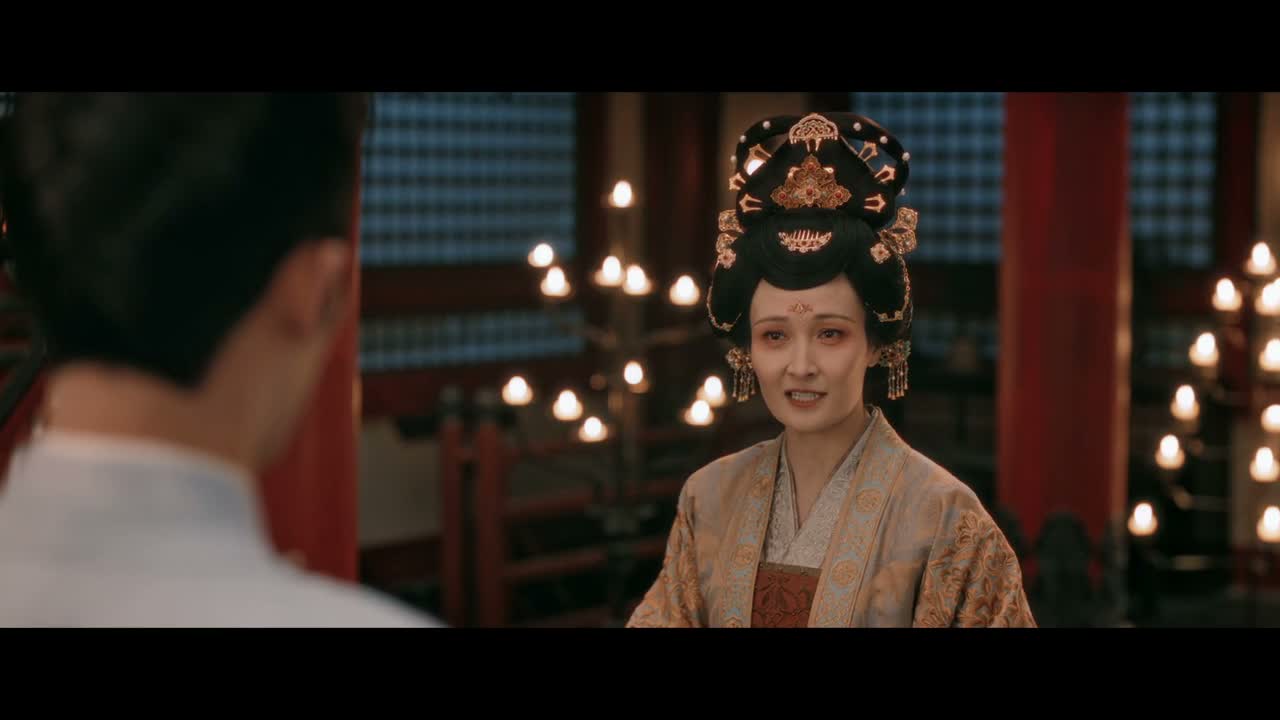
“Mr. Xiao. It's nothing difficult, right?”
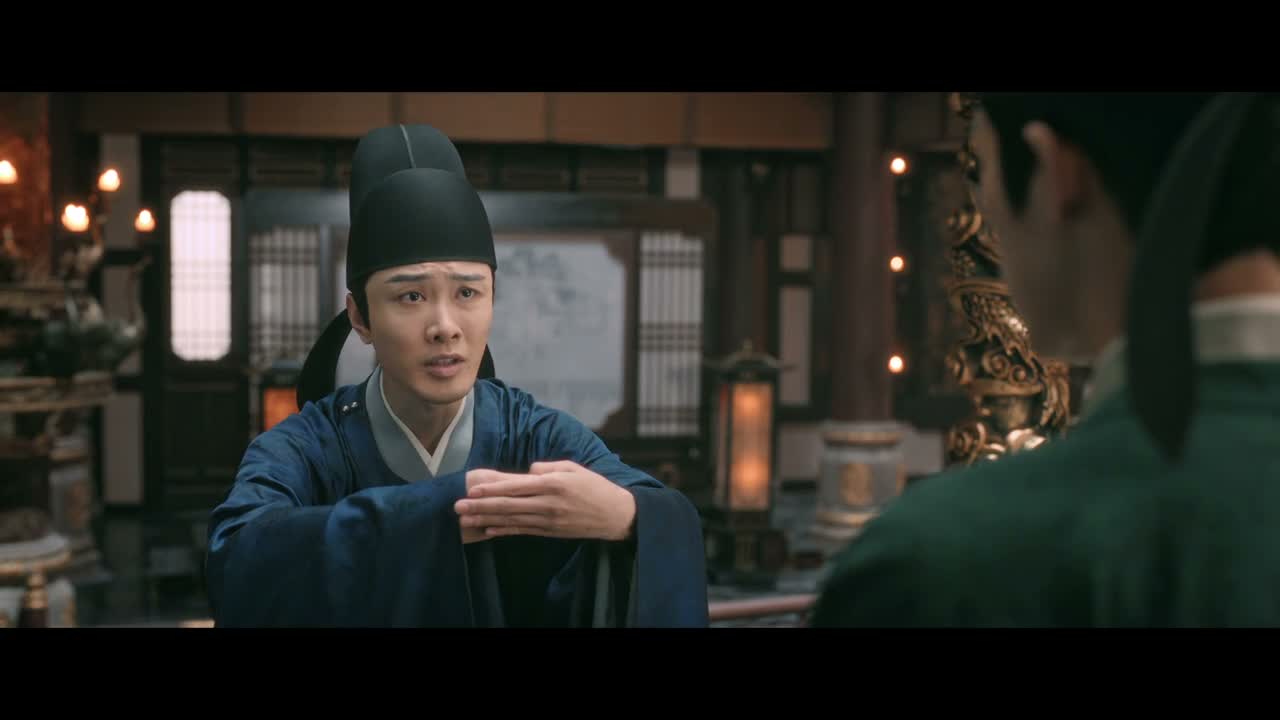
“Deputy Director Xiao, what do we do now?”
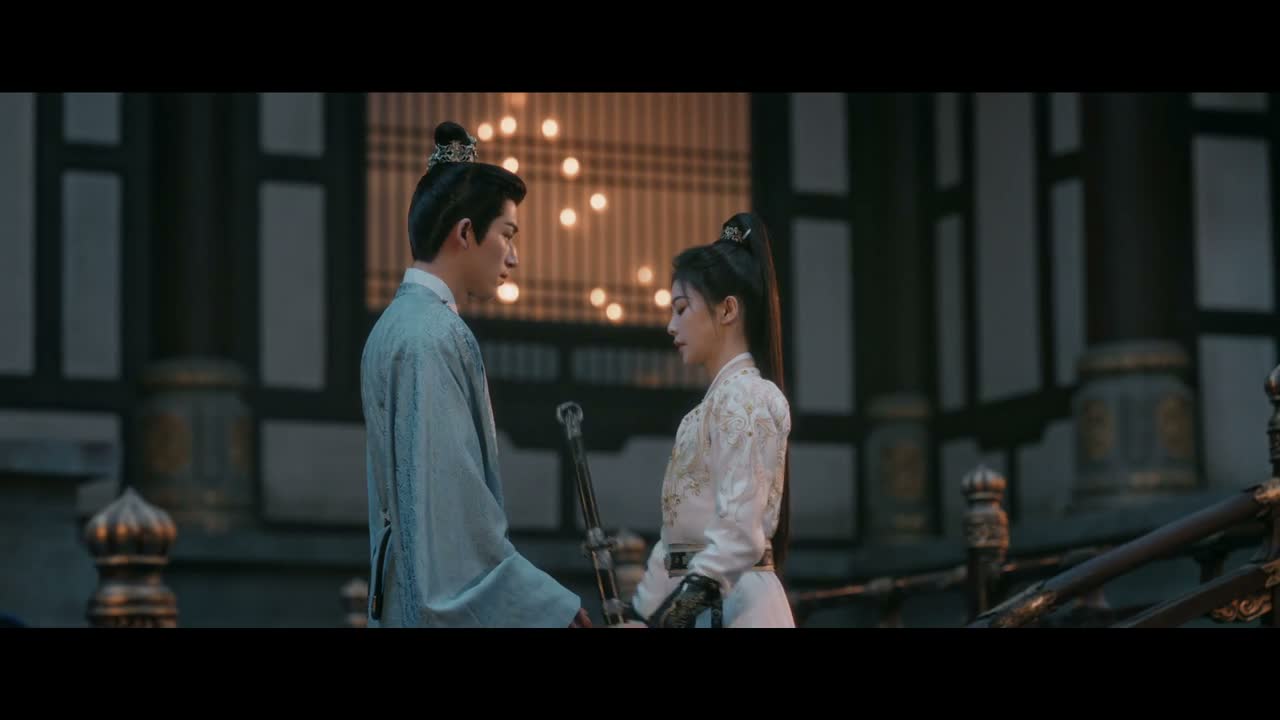
“Mr. Xiao, stop talking big.”
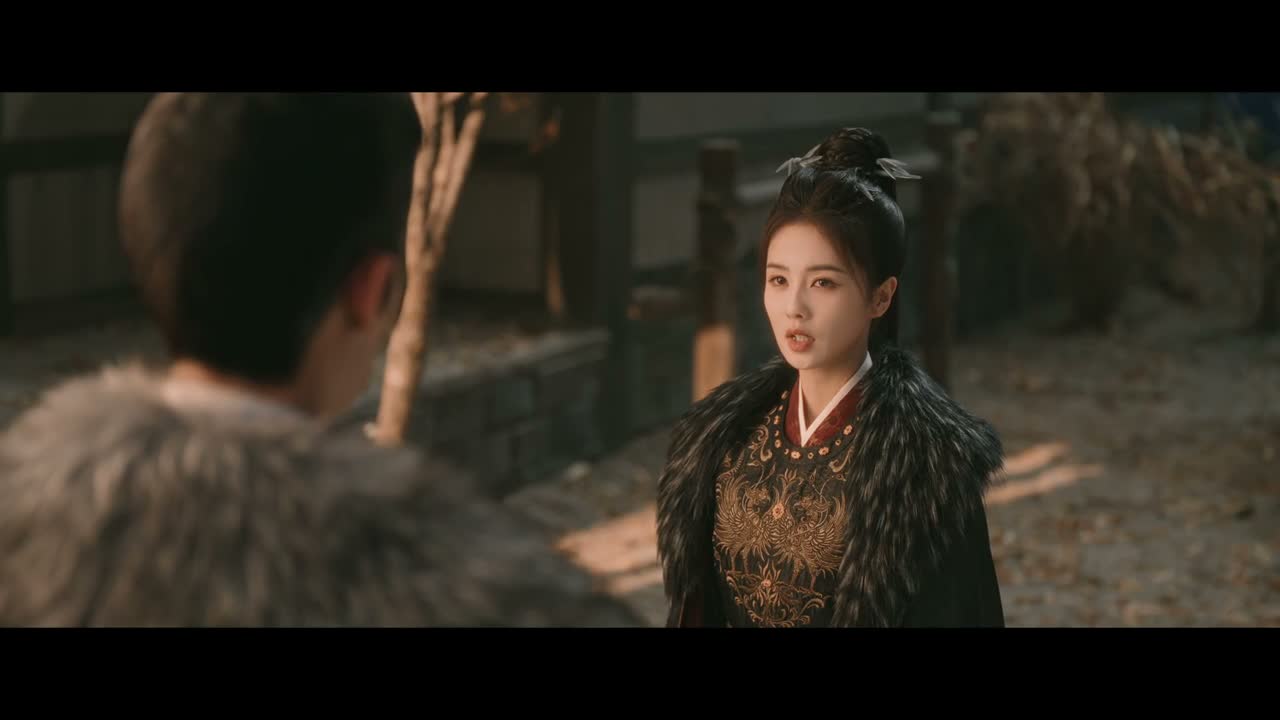
“You've figured it out?”

“Your drawing is unclear. How can you blame me?”