太史丞画得不清不楚 难道还怪我吗?
“Your drawing is unclear. How can you blame me?”
THE DIALOGUE REEL
太史丞画得 不清不楚 难道 还 怪我 吗 ?
“Your drawing is unclear. How can you blame me?”
“I've been losing all the time. This is no fun!”
“Don't blame me for the mistake; look at how messy the original record was!”
Using '难道还怪我吗' directly challenges the interlocutor's fairness, signaling that holding the speaker accountable violates basic common sense.
LEARNING CHUNKS & PARTICLES
vague; unclear; indistinct
An A-not-A four-character reduplication describing something confusing or poorly articulated.
could it be that...?; do you mean to say...?
A strong rhetorical question pattern used to challenge an assumption or assert obvious innocence/guilt.
to still put the blame on me
Commonly used when defending oneself against perceived unfair criticism.
Completes the rhetorical question structure, enhancing the defensive and indignant tone.
VOCABULARY & EXPRESSIONS
Parallel Spoken Cinema Scenes (语义近邻切片)
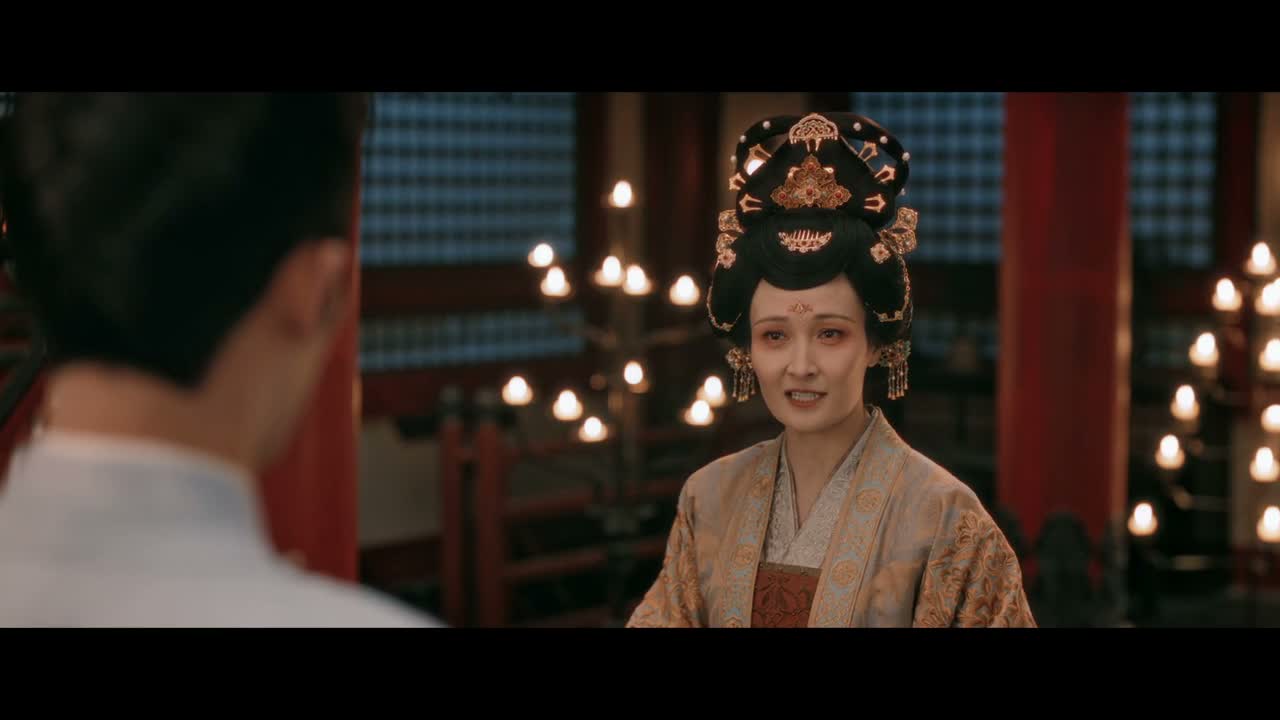
“Mr. Xiao. It's nothing difficult, right?”

“He was giving me a hint. But I didn't get it.”
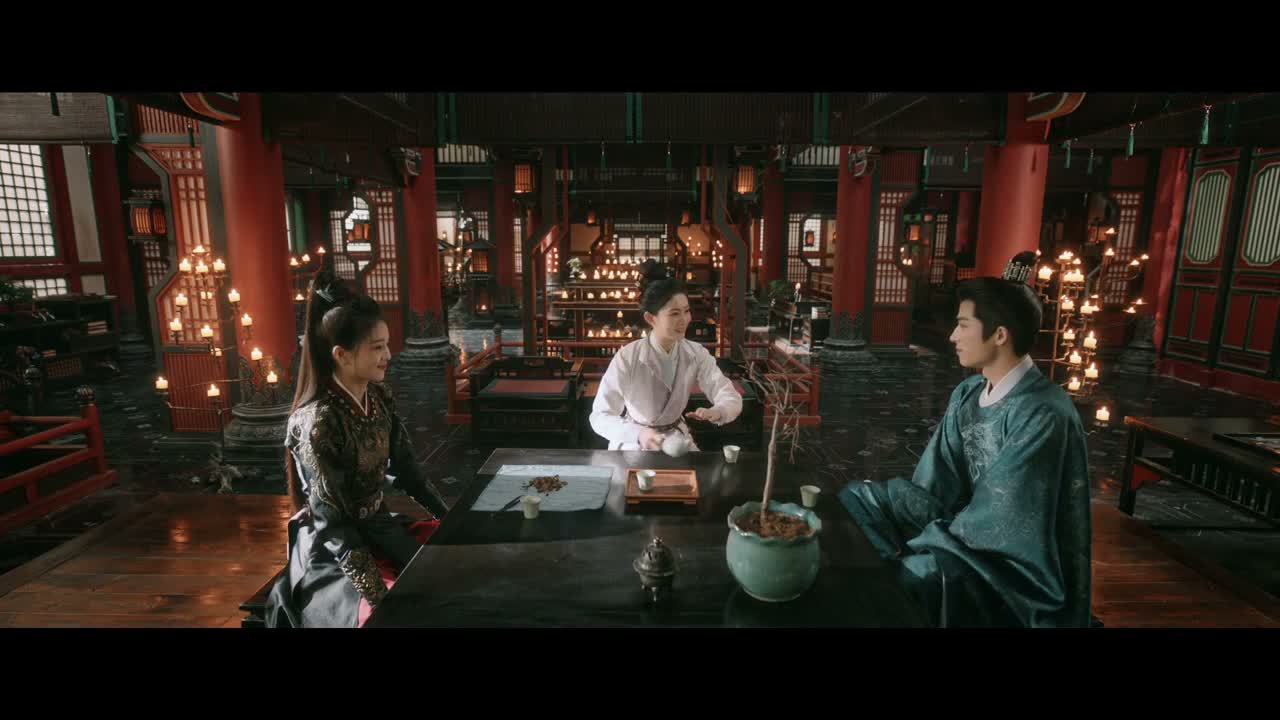
“You're unbelievable.”

“Mr. Xiao, are you feeling sorry for him?”
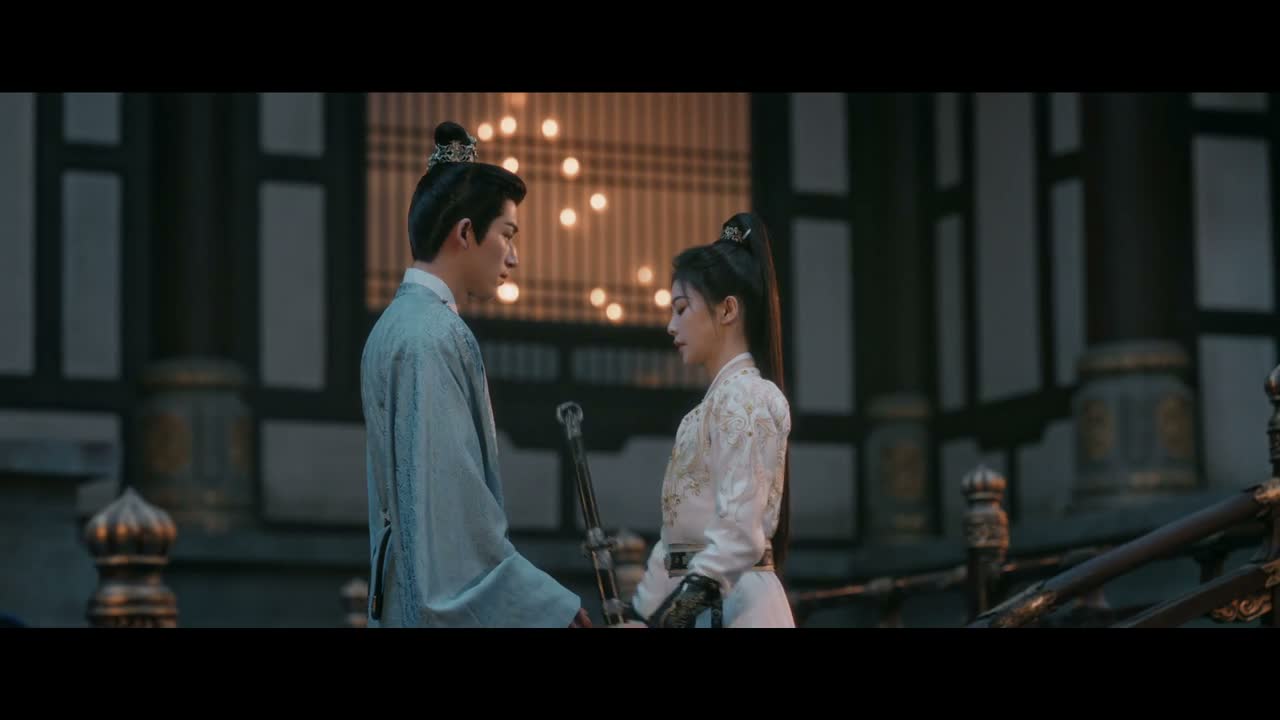
“Mr. Xiao, stop talking big.”
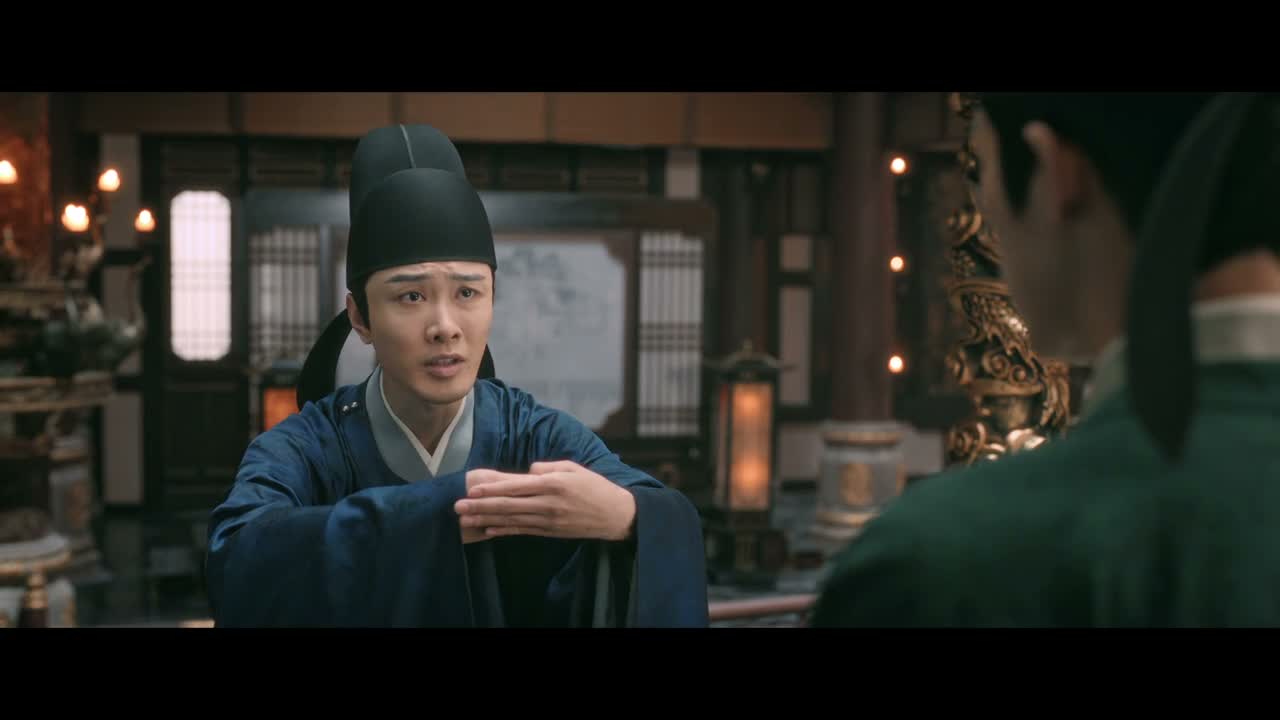
“Deputy Director Xiao, what do we do now?”