MC
MandarinClips Cinema Corpus
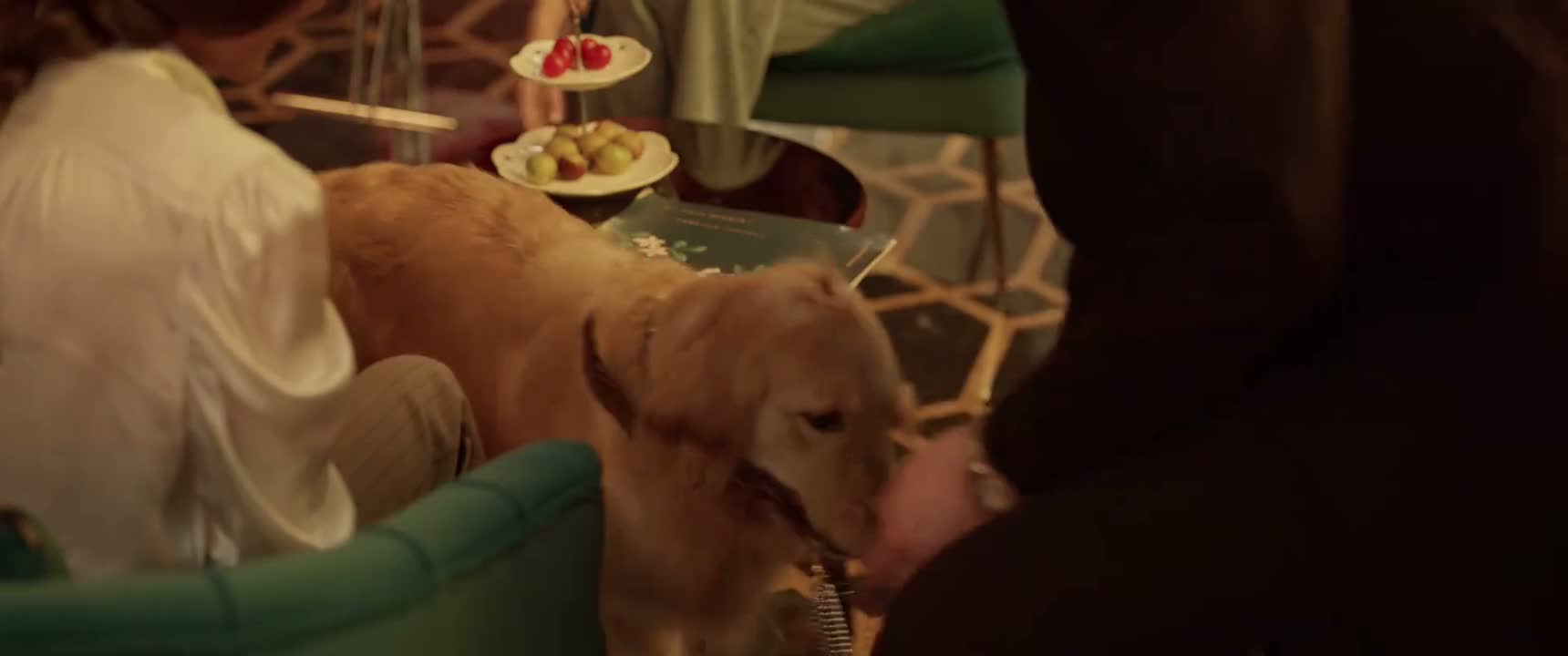
《About Love》 S1·E7 (18:22) HSK 3
hái bú shì pà nǐ zǒu diū le yǐ hòu bù rèn lù ma

还不是怕你走丢了以后不认路吗

“Still afraid you'll get lost and can't read the signs.”

《About Love》 S1·E7
TIMECODE: 18:22 · 1080P MASTER AUDIO

THE DIALOGUE REEL

1+1+1 SPOKEN CONTINUITY
[-1] PREVIOUS TURN zěn me jiě shì

怎么解释

“How do you explain that?”

hái bú shì pà nǐ zǒu diū le yǐ hòu bù rèn lù ma CURRENT FOCUS

还不是 怕你 走丢了 以后 不认路 吗

“Still afraid you'll get lost and can't read the signs.”

[+1] FOLLOW-UP TURN qīn ài de

亲爱的

“Dear.”

Subtitles synced to millisecond timecode Browse Show Clips →
Scene: Social & Dating
Function: DEFENDING ACTIONS
Tone: DEFENSIVE
Emotion: DEFENSIVENESS
WHAT THEY REALLY MEAN (PRAGMATIC SUBTEXT)
“Stop suspecting me; I only did it out of love and concern for your safety.”
💡 Cultural Insight: Sweet Talk as Conflict De-escalation (撒娇与哄人)

In Chinese couples' interactions, framing invasive actions as 'protective care' is a common face-saving and affectionate tactic to diffuse tension.

INTENT TAGS: #self_justification #deflection #affectionate_pleading #rhetorical_defense
🧩

LEARNING CHUNKS & PARTICLES

3 CHUNKS · 1 PARTICLES
还不是 SPOKEN CHUNK

isn't it simply because... (implying the obvious reason)

Rhetorical construction used to justify an action or deflect an accusation by pointing out an undeniable, usually noble motive.

走丢 SPOKEN CHUNK

to get lost; to wander off

Commonly used for children, pets, or directionally challenged adults in casual conversation.

不认路 SPOKEN CHUNK

to have a bad sense of direction; to not know one's way around

Everyday spoken idiom describing someone lacking navigational awareness.

Modal Particle「吗」 (ma) CHANGE OF STATE

Forms a rhetorical question that prompts the listener to acknowledge and accept the speaker's defense.
🏮

VOCABULARY & EXPRESSIONS

4 EXPR · 4 GRAMMAR
CROSS-CINEMA CORPUS BOARD · PARALLEL SCENES

Parallel Spoken Cinema Scenes (语义近邻切片)

EXPLORE BY SEMANTIC SIMILARITY
《About Love》 S1·E7 (18:22) · Authentic Cinema Dialogue Corpus