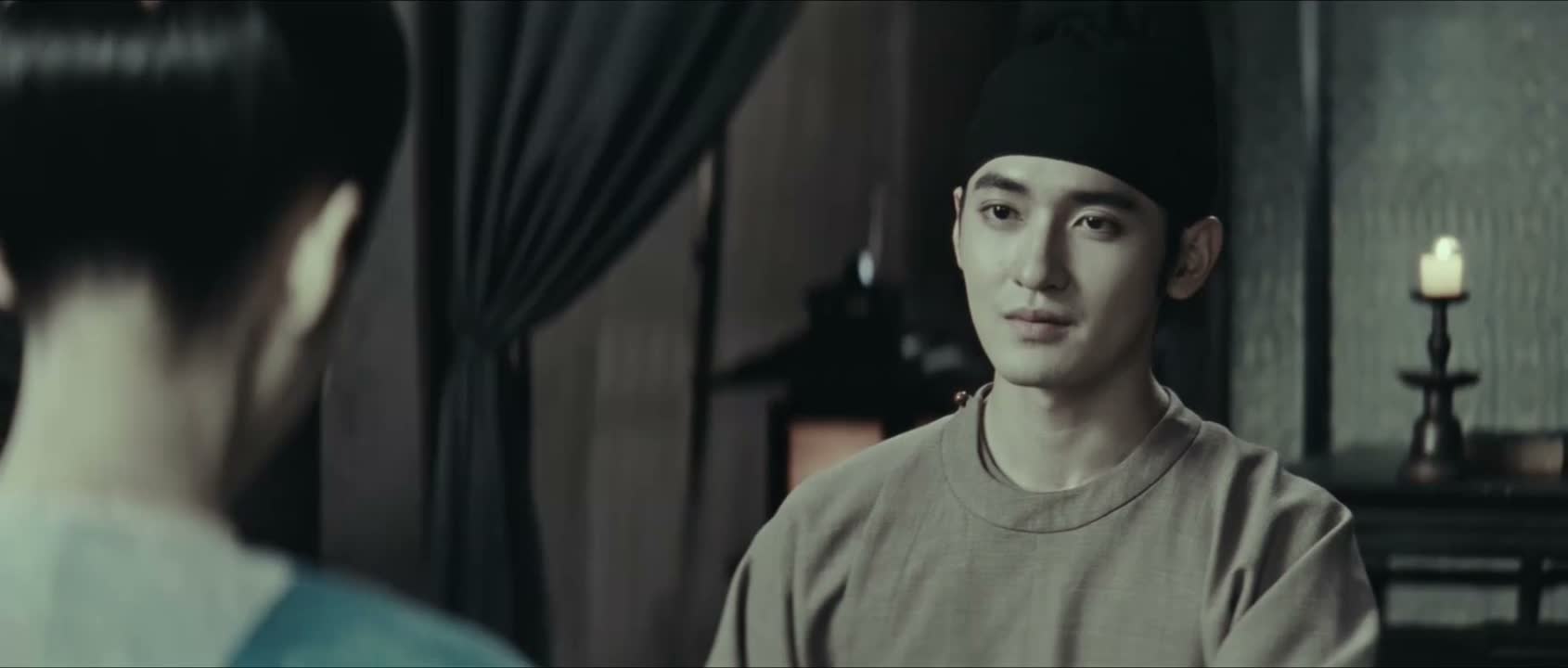
《The Tang Mist》 S1·E24 (19:52)
HSK 5
biàn bú huì zài shā rén le
便不会再杀人了
“he wouldn't kill again.”
《The Tang Mist》
S1·E24
TIMECODE: 19:52
·
1080P MASTER AUDIO
THE DIALOGUE REEL
biàn bú huì zài shā rén le
CURRENT FOCUS
便不会再杀人了
“he wouldn't kill again.”
[+1] FOLLOW-UP TURN
kě shuí zhī
可谁知
“But...”
Subtitles synced to millisecond timecode
Browse Show Clips →
Scene:
Crisis & Conflict
Function:
SPECULATING PAST BEHAVIOR
Tone:
GRAVE
Emotion:
REGRET
WHAT THEY REALLY MEAN (PRAGMATIC SUBTEXT)
“We naively believed that satisfying his vengeance would end the bloodshed, but we were completely wrong.”
💡 Cultural Insight: Narrative Foreshadowing through Contrast
In traditional storytelling, stating an optimistic assumption ('便不会再...') right before '可谁知' (who would have guessed) creates dramatic irony and highlights unavoidable tragedy.
INTENT TAGS:
#assumption
#miscalculation
#retrospection
#regret
🧩
2 CHUNKS · 1 PARTICLES
LEARNING CHUNKS & PARTICLES
便不会
SPOKEN CHUNK
then would not
A literary connective structure indicating a logical consequence or assumption based on preceding conditions.
杀人
SPOKEN CHUNK
to kill someone or commit murder
A common verb-object collocation referring to homicide.
Modal Particle「了」 (le)
CHANGE OF STATE
Marks a change of state, indicating cessation of killing from that point onward.
🏮
2 EXPR · 9 GRAMMAR
VOCABULARY & EXPRESSIONS
CROSS-CINEMA CORPUS BOARD · PARALLEL SCENES
EXPLORE BY SEMANTIC SIMILARITY
Parallel Spoken Cinema Scenes (语义近邻切片)

《The Tang Mist》 S1·E24 (19:52) · Authentic Cinema Dialogue Corpus