他发泄了心中怒火
“once he vented his anger,”
THE DIALOGUE REEL
我便以为
“So I thought”
他发泄了心中怒火
“once he vented his anger,”
“I foolishly believed that letting out his rage would satisfy him, but I was wrong.”
Traditional Chinese culture often views intense negative emotions as heat or fire (火) that builds up internally and demands release.
LEARNING CHUNKS & PARTICLES
to vent one's fury or rage
Common collocation for releasing built-up anger, whether verbally, physically, or destructively.
inner fury; the fire of anger inside one's heart
A vivid written or spoken expression used to emphasize deep-seated emotional hostility.
Indicates the completion of the venting action in the speaker's assumption.
VOCABULARY & EXPRESSIONS
Parallel Spoken Cinema Scenes (语义近邻切片)

“and dissatisfaction on us.”

“releasing his own emotions?”
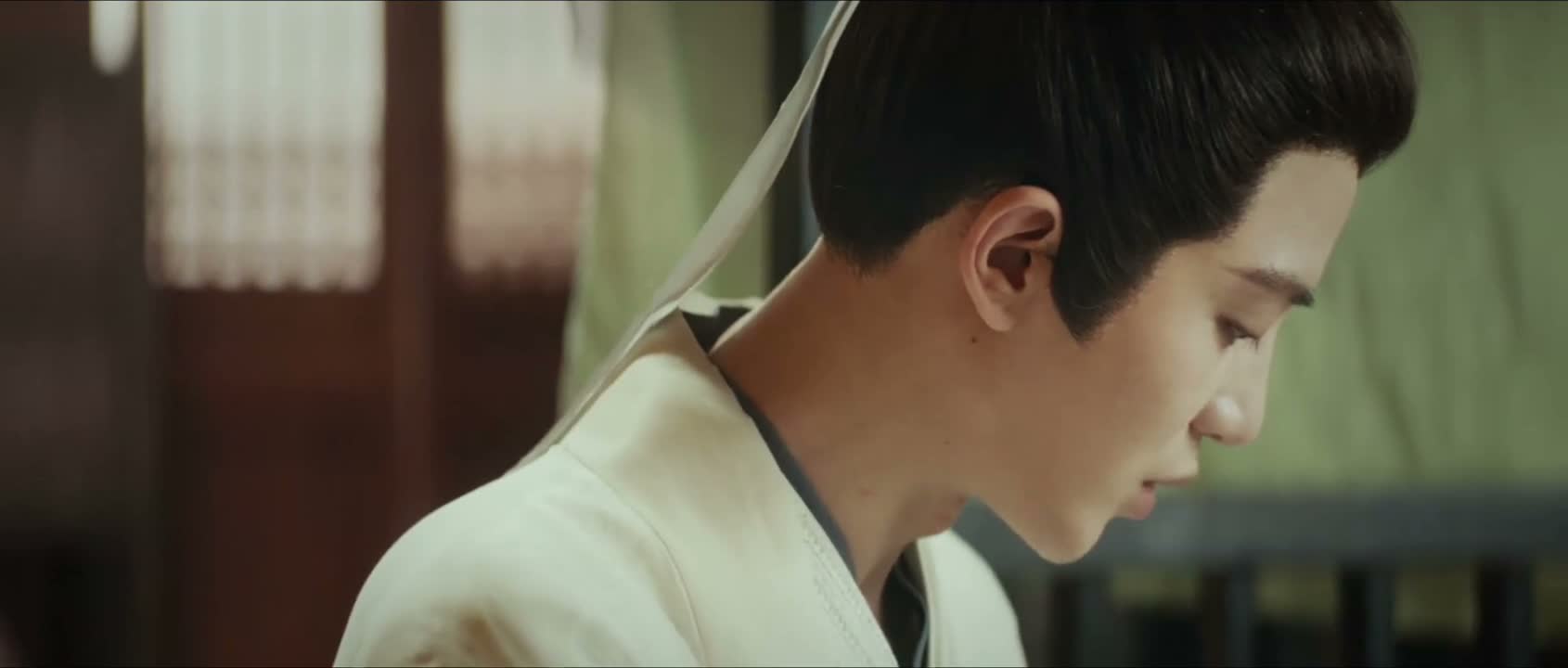
“taking your anger out on me.”

“...using this as an outlet to vent.”

“to vent your frustration. Shut up. I'm warning you!”
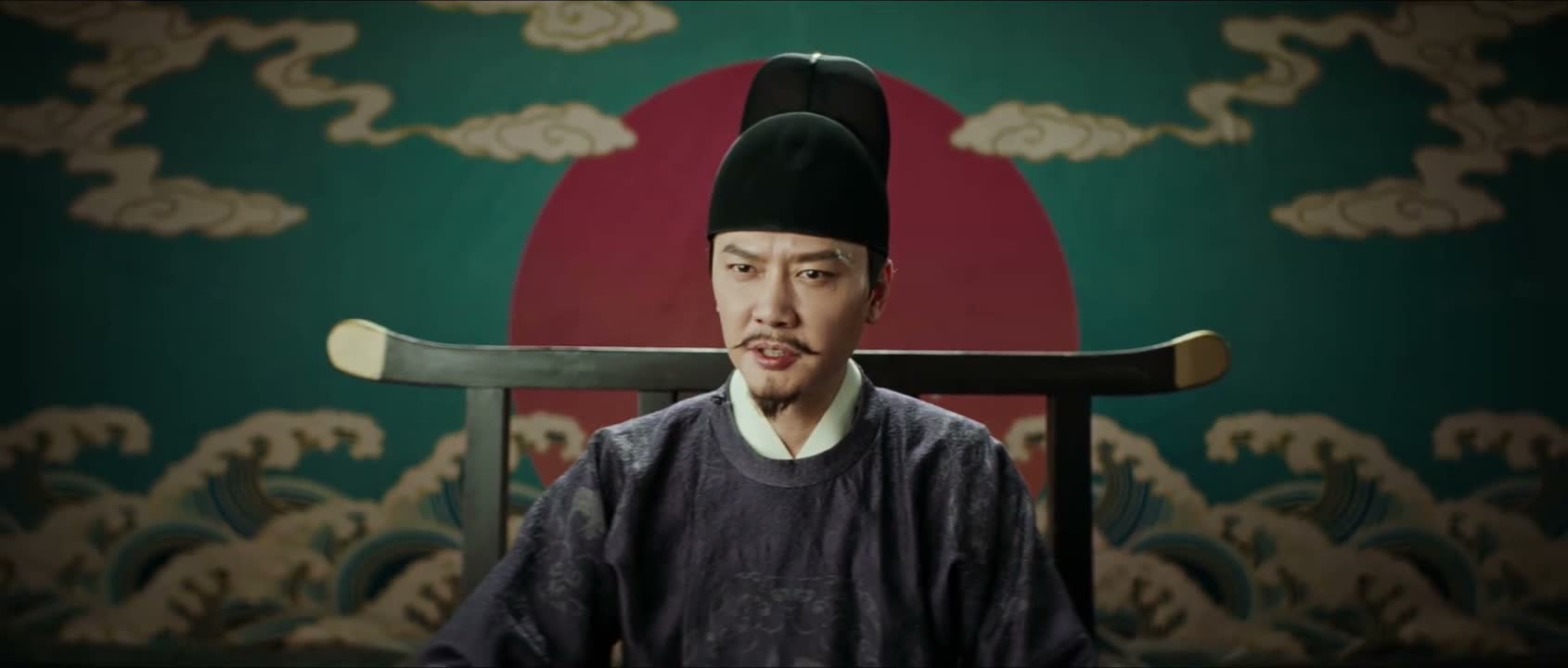
“in a moment of rage”