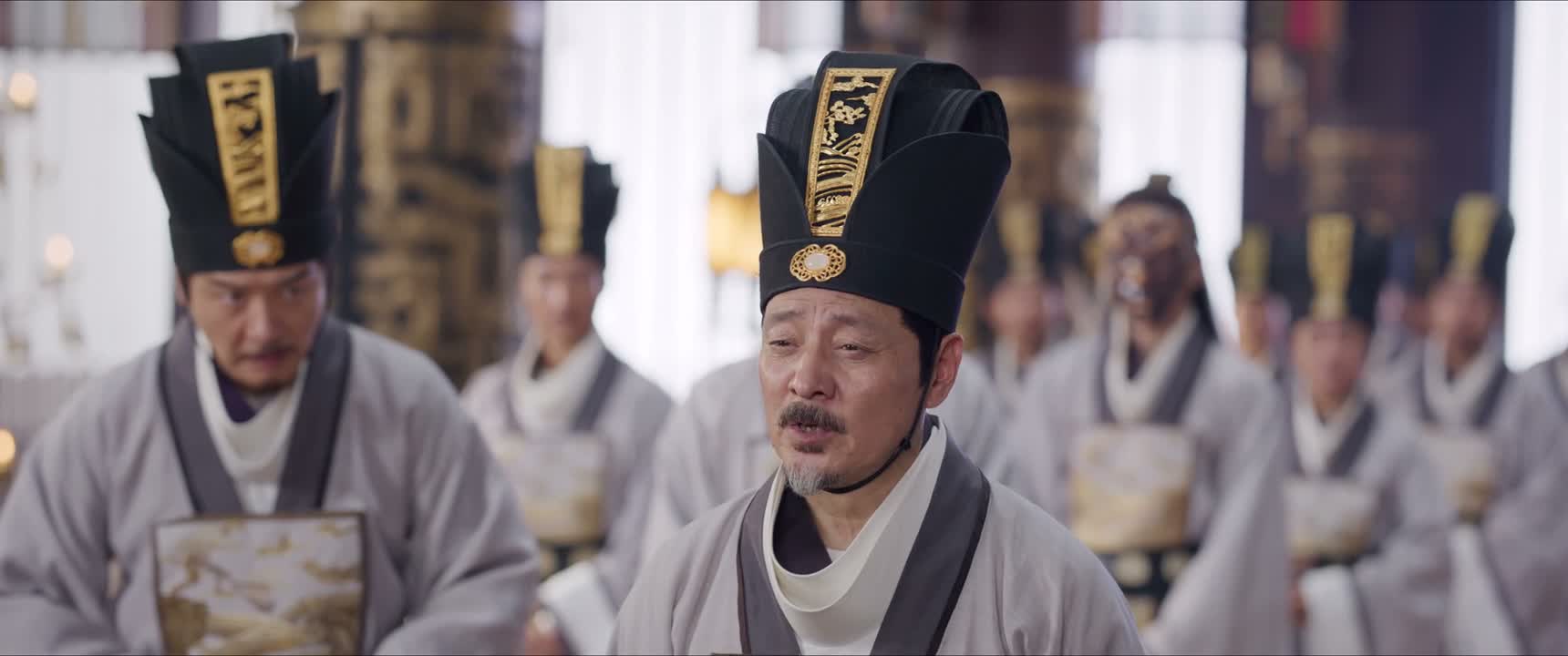
《The Tang Mist》 S1·E24 (24:10)
HSK 7
hé cháng bú shì qīn shǒu
何尝不是亲手
“Didn't you both just”
《The Tang Mist》
S1·E24
TIMECODE: 24:10
·
1080P MASTER AUDIO
THE DIALOGUE REEL
hé cháng bú shì qīn shǒu
CURRENT FOCUS
何尝不是亲手
“Didn't you both just”
[+1] FOLLOW-UP TURN
jiāng duì fāng
将对方
“Didn't you both just pull each other”
Subtitles synced to millisecond timecode
Browse Show Clips →
Scene:
Crisis & Conflict
Function:
EXPRESSING GUILT OR ACCUSATION
Tone:
SELF_REPROACHING
Emotion:
ANGUISH
WHAT THEY REALLY MEAN (PRAGMATIC SUBTEXT)
“Admit it, we brought this destruction upon each other with our own hands.”
💡 Cultural Insight: Rhetorical Self-Reflection (Fanwen)
Using double negatives or rhetorical questions ('hechang bu shi') is a standard high-register device in Chinese to compel agreement and heighten emotional gravity.
INTENT TAGS:
#self_reproach
#confrontation
#bitterness
#admission
🧩
2 CHUNKS · 0 PARTICLES
LEARNING CHUNKS & PARTICLES
何尝不是
SPOKEN CHUNK
is it not indeed; isn't it also true that
A rhetorical device used in formal or literary speech to state an undeniable, often painful truth.
亲手
SPOKEN CHUNK
with one's own hands; personally
Used before transitive verbs to emphasize direct personal involvement, often carrying dramatic weight.
🏮
2 EXPR · 7 GRAMMAR
VOCABULARY & EXPRESSIONS
CROSS-CINEMA CORPUS BOARD · PARALLEL SCENES
EXPLORE BY SEMANTIC SIMILARITY
Parallel Spoken Cinema Scenes (语义近邻切片)
《The Tang Mist》 S1·E24 (24:10) · Authentic Cinema Dialogue Corpus