我都卖上凉皮了 你不是还跟我学戏呢吗
“yet I was selling liangpi by then. And you still learned opera from me.”
THE DIALOGUE REEL
那个时候你都得过奖了 都到省秦了
“Back then, you'd already won awards and made it to the provincial troupe,”
我都卖上 凉皮 了 你 不是还 跟我学戏 呢吗
“yet I was selling liangpi by then. And you still learned opera from me.”
啥时候能教再说
“Take it easy.”
“Don't bring up my past success; even when I was down selling street food, you still respected me as a mentor.”
During modern economic transitions in China, many respected regional opera actors had to resort to street vending (like selling liangpi) to make ends meet, a painful contrast to their artistic prestige.
LEARNING CHUNKS & PARTICLES
ended up having to sell Liangpi (cold noodles)
Illustrates a dramatic fall in professional stature to humble street-vending.
study traditional Chinese opera
Specific cultural collocation referring to apprenticeship in traditional theater arts.
Used at the end of the rhetorical negative question to confront the listener with an undeniable fact.
Marks the ongoing nature of the past action while adding a vivid, reminding tone.
VOCABULARY & EXPRESSIONS
Parallel Spoken Cinema Scenes (语义近邻切片)
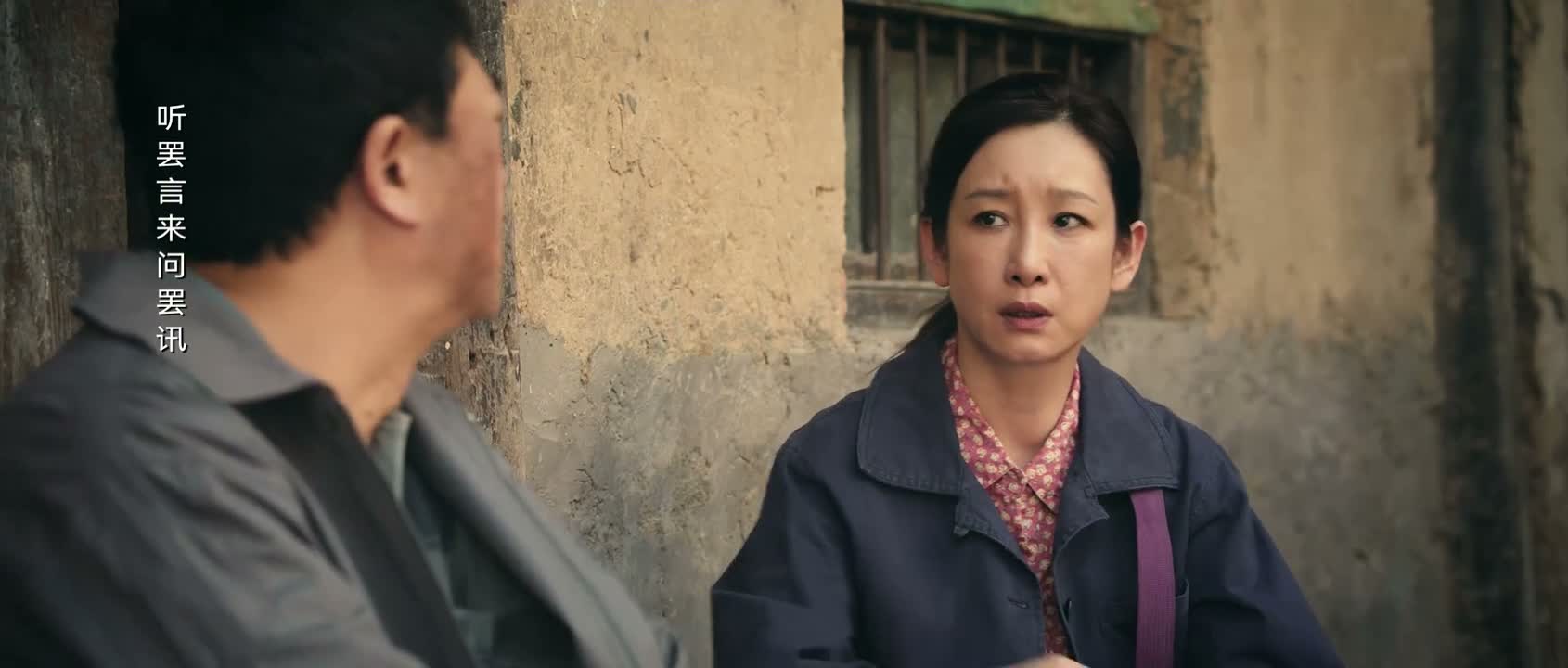
“Stop worrying. I'm not having liangpi.”

“Liangpi won't settle this. What else do you want?”

“But you have nothing here. We can't just eat liangpi.”

“How about some liangpi for lunch? Don't give me that.”

“Have you eaten? - Not yet. - Not yet. Perfect. Sit down for liangpi.”
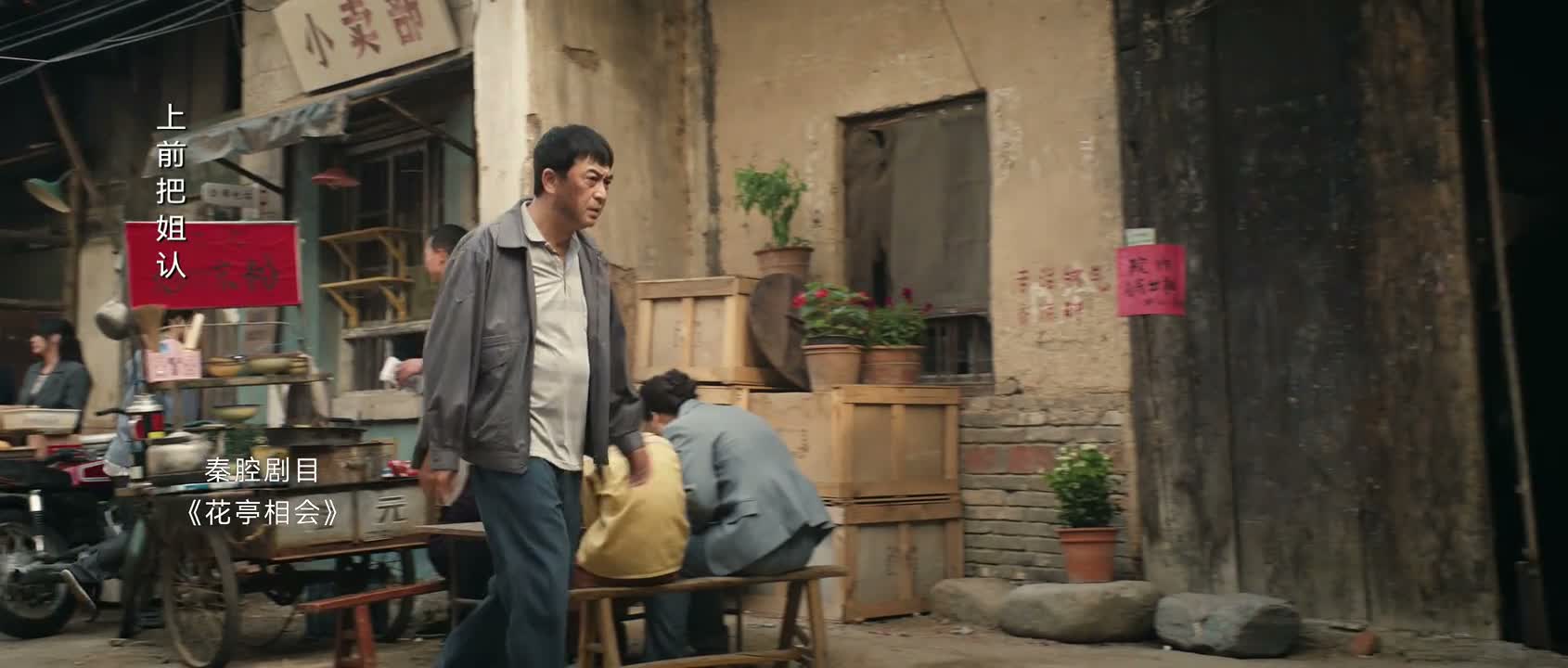
“(Hua Ting Xiang Hui) With that in liangpi, it tastes amazing.”