不是说不害怕丢脸的吗
“You said you weren't afraid of losing face.”
THE DIALOGUE REEL
我到底在干吗呀 我跟一个男的躺在办公室睡觉
“What am I even doing? I'm lying in an office with a man.”
不是说不 害怕 丢脸 的吗
“You said you weren't afraid of losing face.”
你确定
“Are you sure”
“Look who's suddenly panicking after acting so fearless before.”
Maintaining face is crucial in Chinese society; admitting or denying fear of losing face is often a focal point of personal vulnerability and teasing among intimates.
LEARNING CHUNKS & PARTICLES
didn't you say; I thought you said
A rhetorical pattern commonly used to confront someone playfully or critically with their own past words.
afraid of losing face; scared of embarrassment
Collocation combining fear with the core socio-cultural concept of losing public dignity or reputation.
Works with the predicate to form a nominalized assertion of state.
Turns the statement into a rhetorical question to prompt reflection or tease.
VOCABULARY & EXPRESSIONS
Parallel Spoken Cinema Scenes (语义近邻切片)

“I only said that because I was too ashamed to tell the truth.”

“I only said that because I was too ashamed to tell the truth. No!”
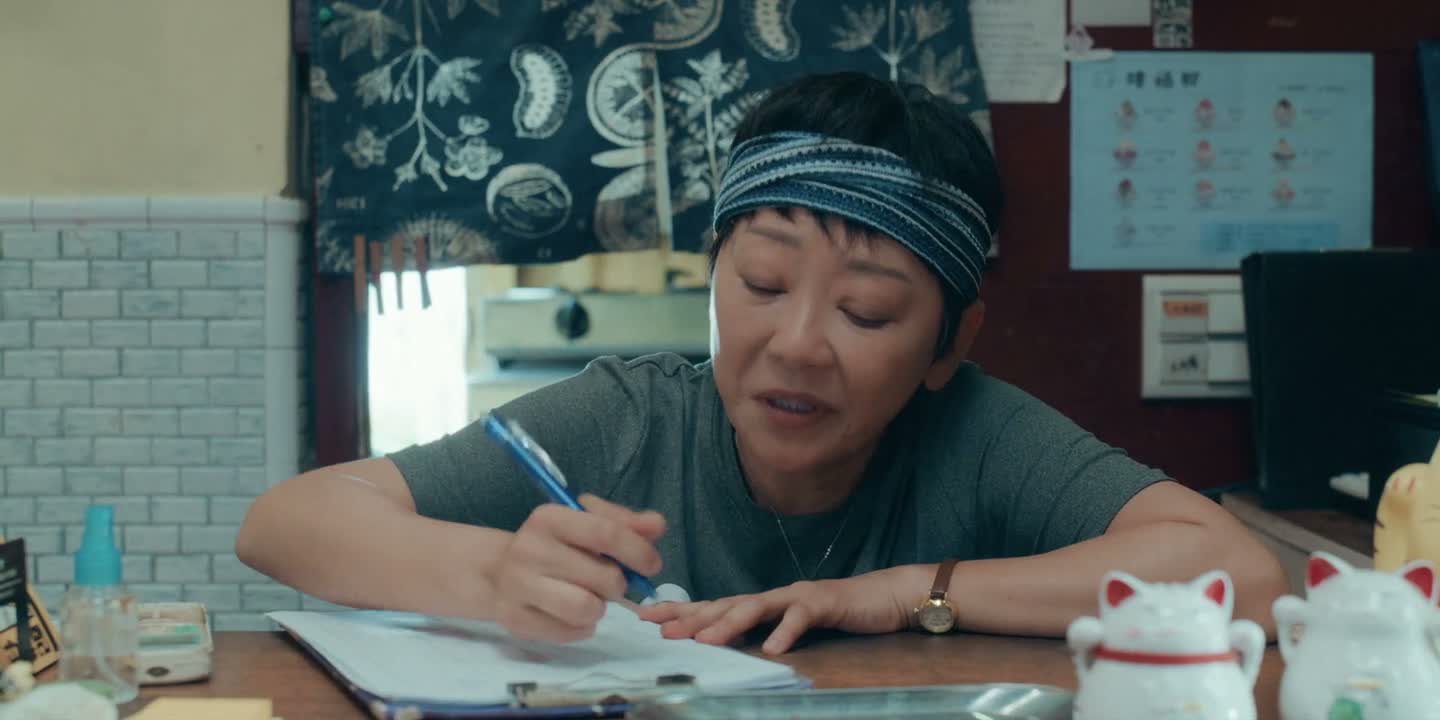
“is not an embarrassing thing.”

“There's nothing shameful about that.”

“Aren't you afraid that people might mock you?”

“This is such a mess.”