要怎么布置咱们这个家
“how we'd set up our home?”
THE DIALOGUE REEL
要 怎么 布置咱们 这个家
“how we'd set up our home?”
没有
“No.”
“Are you actually serious about our future life together?”
In Northern Mandarin, '咱们' explicitly binds the speaker and listener into an intimate unit, often signaling deep relational commitment when referring to a household.
LEARNING CHUNKS & PARTICLES
to decorate, arrange, or furnish
Commonly used when talking about setting up an apartment, home, or event venue.
this home of ours
Using '咱们' instead of '我们' emphasizes warm inclusivity and shared belonging between the speaker and listener.
VOCABULARY & EXPRESSIONS
Parallel Spoken Cinema Scenes (语义近邻切片)
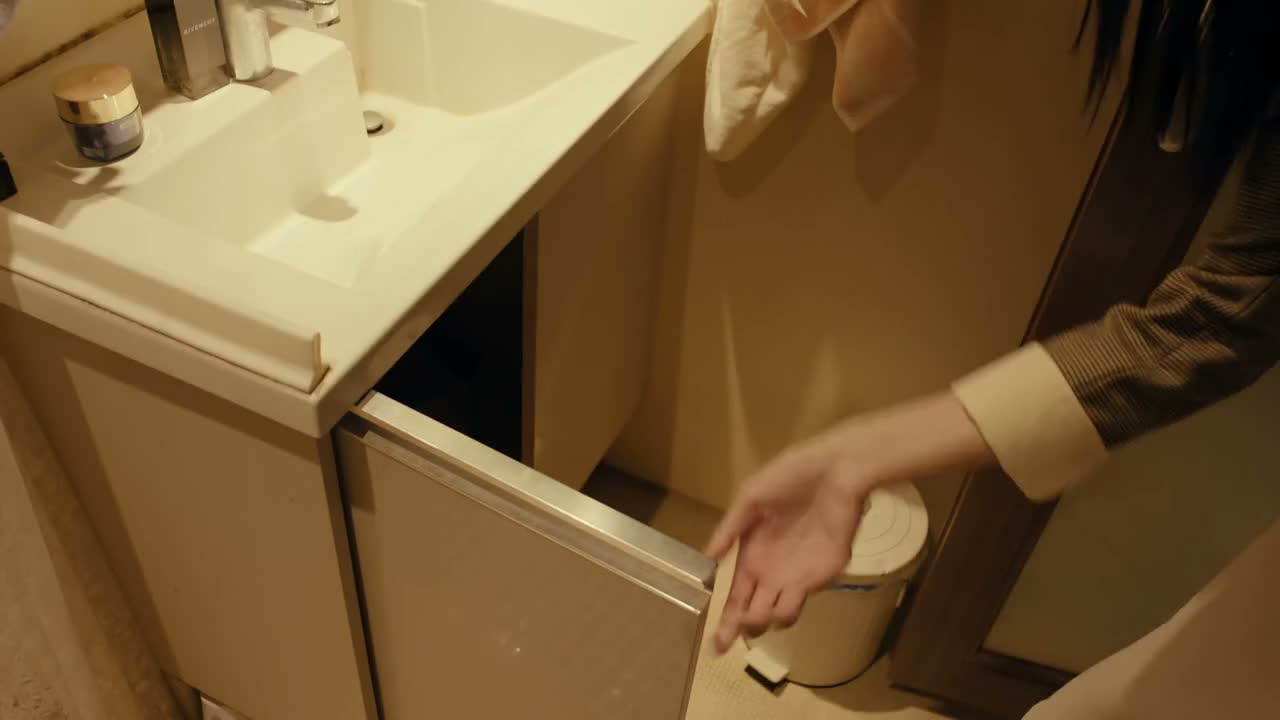
“what our dream home would be like.”

“So what? It's our home. I'll put whatever I want in it.”

“We need to fill it with furniture.”

“We both wanted to build a complete family again.”

“Master minded the manor layout. This door is here to gather energy.”