周师你下手太重了 那骨头不知道啥问题
“Master Zhou, you went too hard. No idea what's with his bones.”
THE DIALOGUE REEL
“That guy's a total mess now.”
周师你 下手太重 了 那骨头 不知道 啥问题
“Master Zhou, you went too hard. No idea what's with his bones.”
不是他们拦着 我让他拄双拐 这拄双拐谁来打鼓嘛
“If they hadn't stopped me, I'd have put him on two crutches! Then who would play the drums?”
“You lost control and went way too far—if he's badly broken, we are all going to face serious trouble.”
In close-knit work units or performance troupes (danwei), personal brawls and bodily injury disrupt operational stability and inevitably drag the whole collective into mediating or facing administrative fallout.
LEARNING CHUNKS & PARTICLES
to strike too hard; to be excessively heavy-handed physically
Commonly used when someone inflicts unexpected physical harm or overdoes violence during a fight.
who knows what kind of damage or issue there is
A colloquial northern/northwestern expression expressing uncertainty and underlying worry about a negative outcome.
Indicates an excess beyond acceptable bounds when paired with 'tai... le' (too heavy-handed).
VOCABULARY & EXPRESSIONS
Parallel Spoken Cinema Scenes (语义近邻切片)
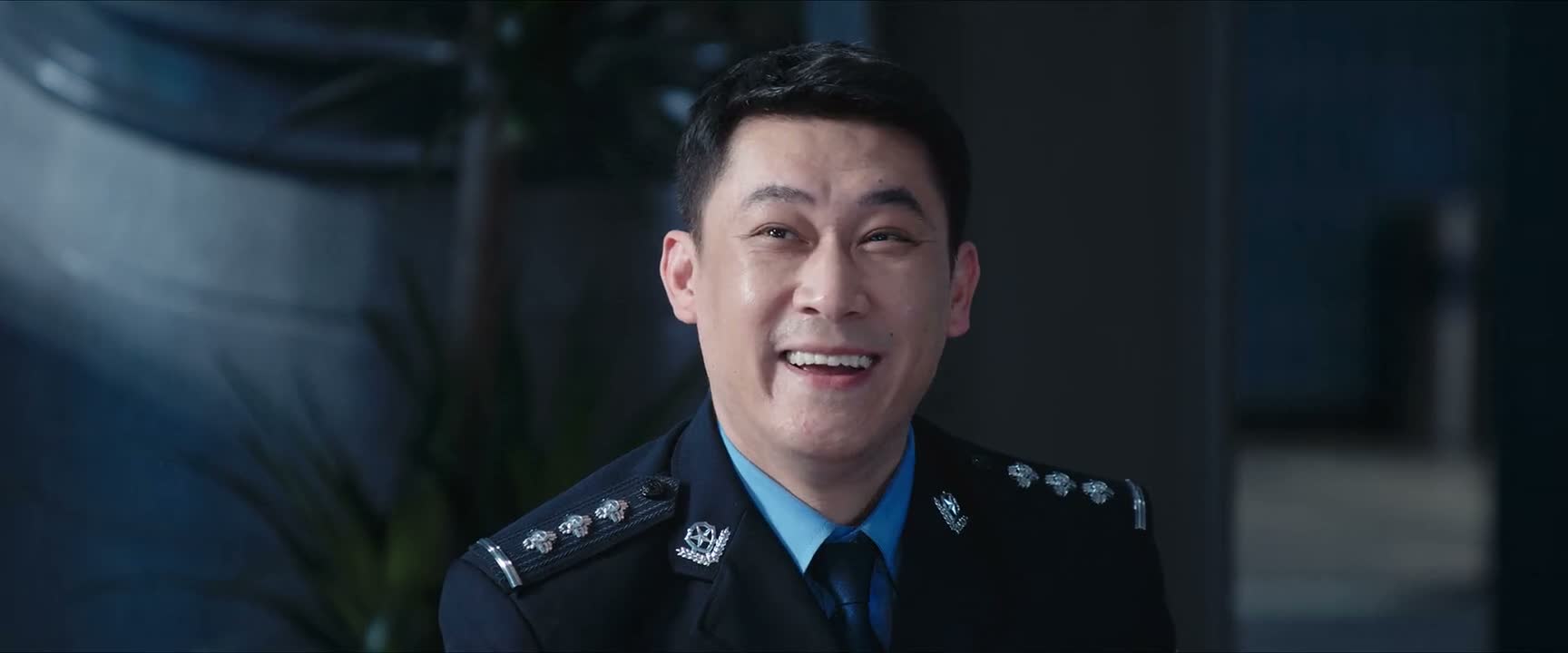
“Senior, I'm not looking down on you. Men and women”

“Master Zhou, please calm down. Come on, cool off. Sit down.”

“Senior Wu said something that really moved me.”
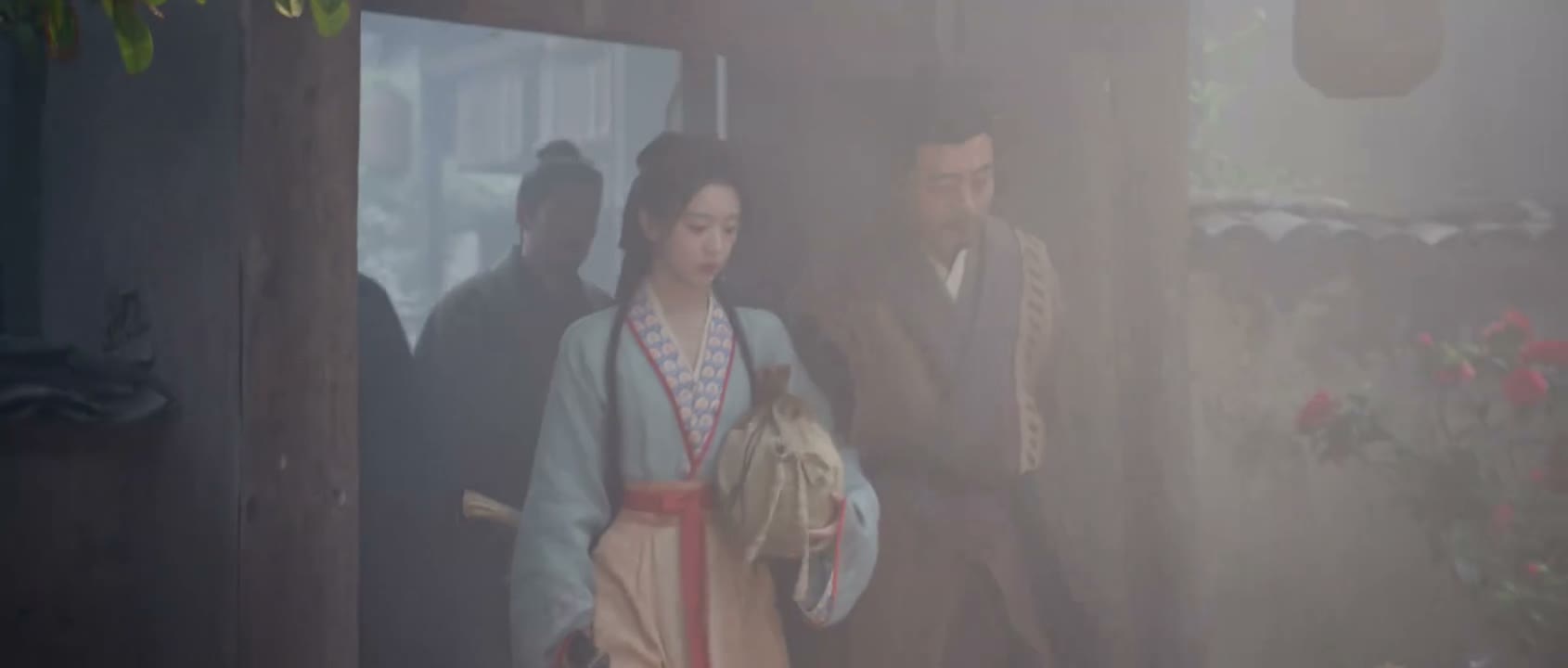
“Uncle Guo must've been heartbroken.”
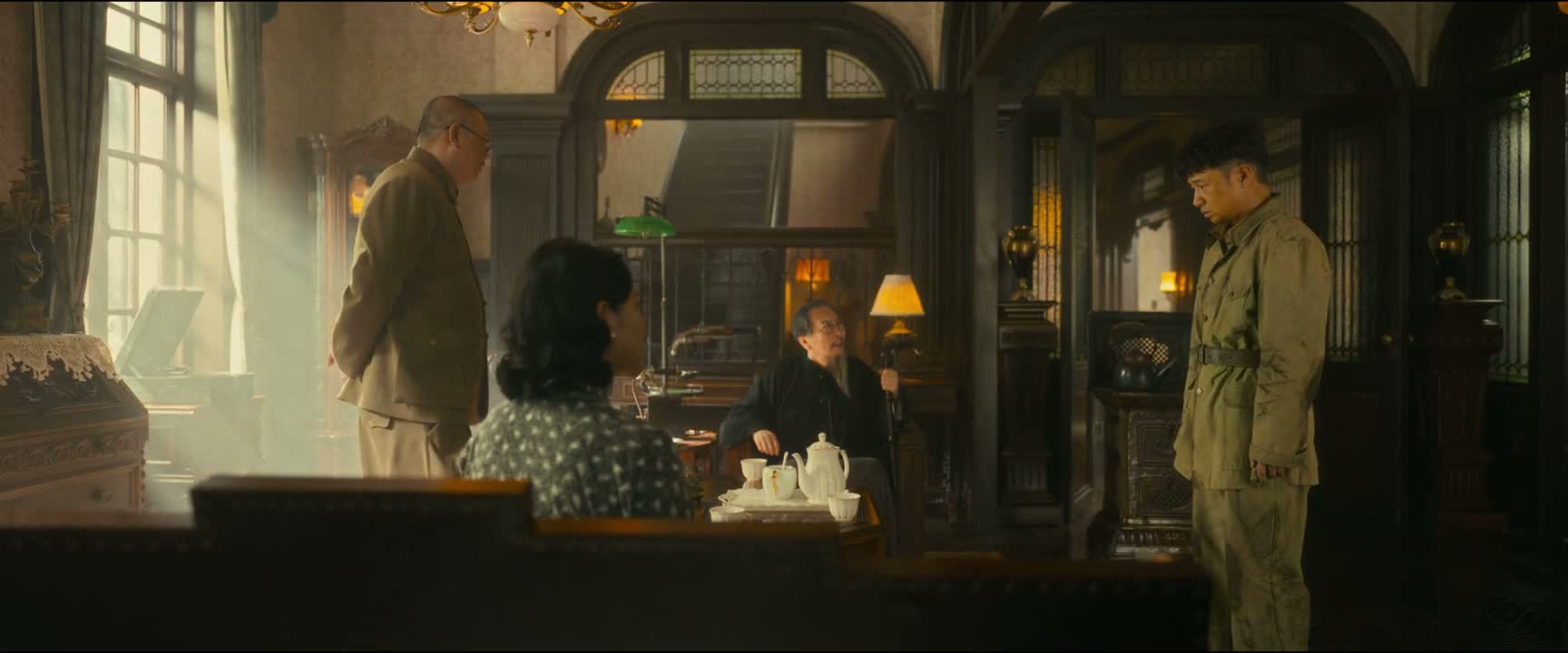
“Don't worry, Uncle.”

“Master Song. Why are you sitting here?”