定王府衣冠禽兽也 定王墨氏 叛国潜逃
“(Brutal beasts!) (Prince Ding committed treason and escaped.)”
THE DIALOGUE REEL
修文修尧 人神共诛
“(Xiuwen, Xiuyao! Unforgivable!)”
定王府 衣冠禽兽 也 定王墨氏 叛国 潜逃
“(Brutal beasts!) (Prince Ding committed treason and escaped.)”
她一把火烧了我的书斋 那些咒骂 背离
“(She set my study aflame!) (The curses, the betrayal,)”
Direct spoken expression in this communicative setting.
In imperial China, betraying one's nation and sovereign (叛国) was considered the ultimate moral and political offense, justifying total public condemnation.
LEARNING CHUNKS & PARTICLES
beasts in human attire; a scoundrel masquerading as a gentleman
A powerful literary idiom used to thoroughly condemn someone who behaves dishonorably despite high status.
to commit treason and flee secretly
A high-register, formal crime descriptor often found in historical or legal contexts involving betrayal of state.
Functions as a classical modal/assertive particle marking a firm, declarative judgment.
VOCABULARY & EXPRESSIONS
Parallel Spoken Cinema Scenes (语义近邻切片)
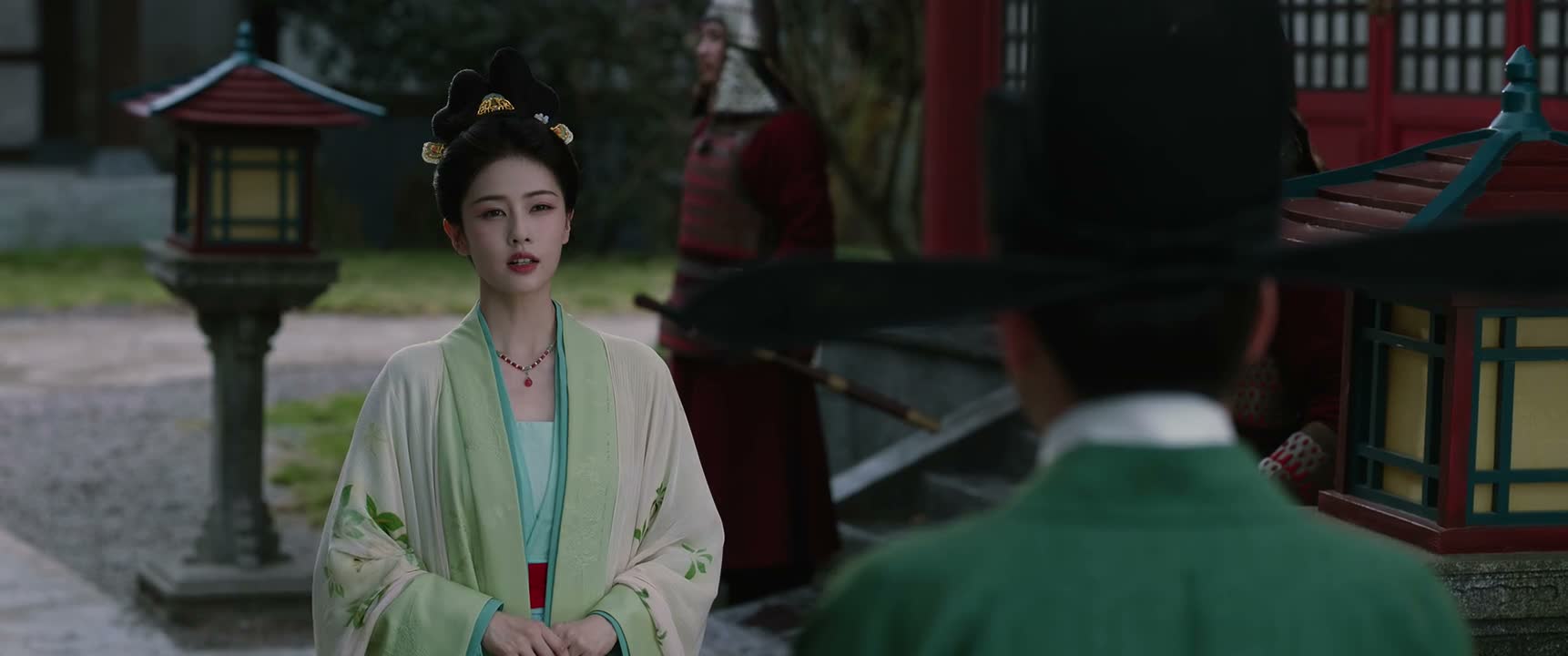
“This is Prince Ding's Mansion. And I am Princess Ding.”
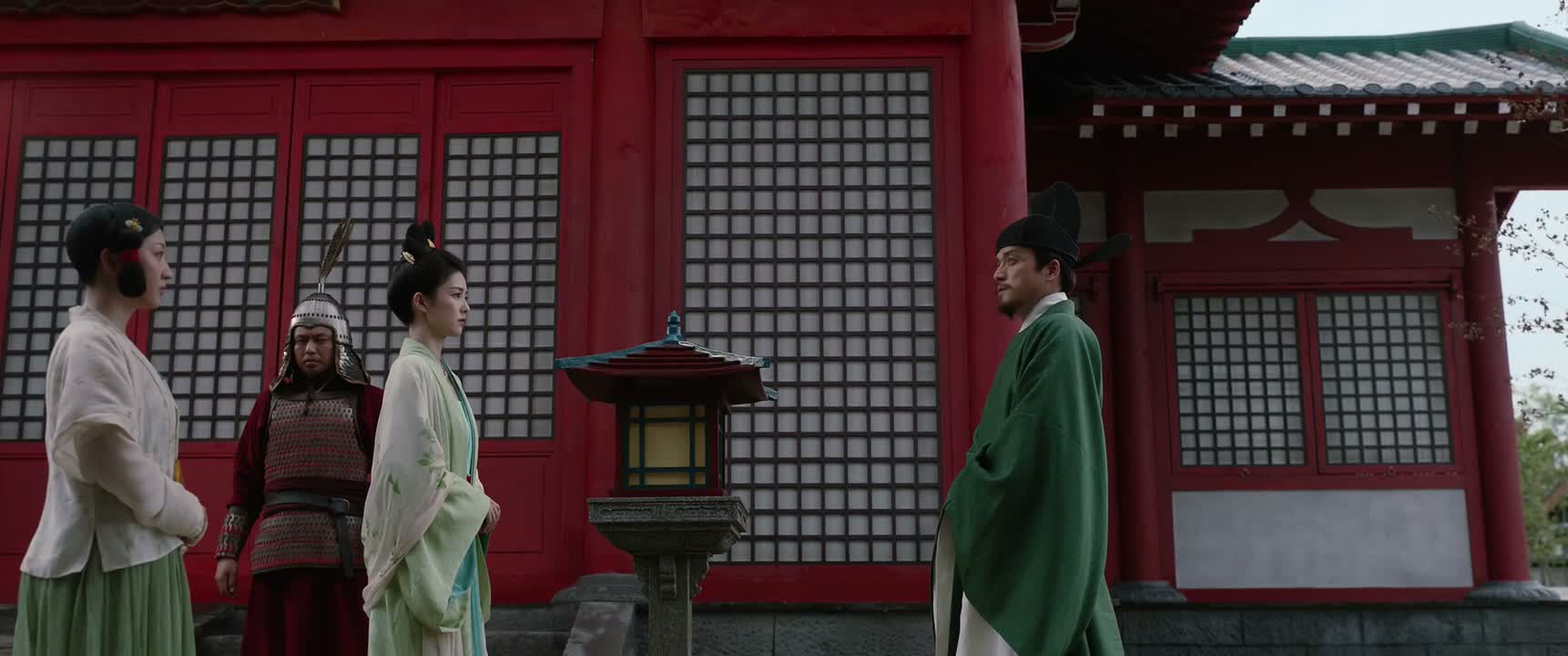
“This mansion carries heavy sins of bloodshed,”

“given what you've done to his clan, do you think he will let you off?”

“My family carries the burden of past crimes. Its glory has faded.”

“Prince Ding's Mansion is so large. I don't know anyone.”

“Prince Duan's Mansion must be heavily guarded.”