京兆府不是卯时上值吗 现在还早着呢
“Doesn't work start at the Mao hour? It's still early.”
THE DIALOGUE REEL
去京兆府上值呀
“To Jingzhao Prefecture.”
京兆府 不是 卯时 上值 吗 现在还早 着呢
“Doesn't work start at the Mao hour? It's still early.”
你有事
“What's wrong?”
“Why are you leaving so early? You must be up to something.”
The traditional day was divided into 12 two-hour intervals; the 'Mao' hour (5:00 AM to 7:00 AM) was the customary time for imperial government workers to report for duty.
LEARNING CHUNKS & PARTICLES
to go on duty; to report for work
An archaic/historical equivalent of modern '上班', frequently found in historical and court dramas.
it is still way too early
A very common colloquial expression indicating ample time remains.
Forms a tag rhetorical question seeking confirmation of the work schedule.
Emphasizes the ongoing state of it being far too early.
VOCABULARY & EXPRESSIONS
Parallel Spoken Cinema Scenes (语义近邻切片)
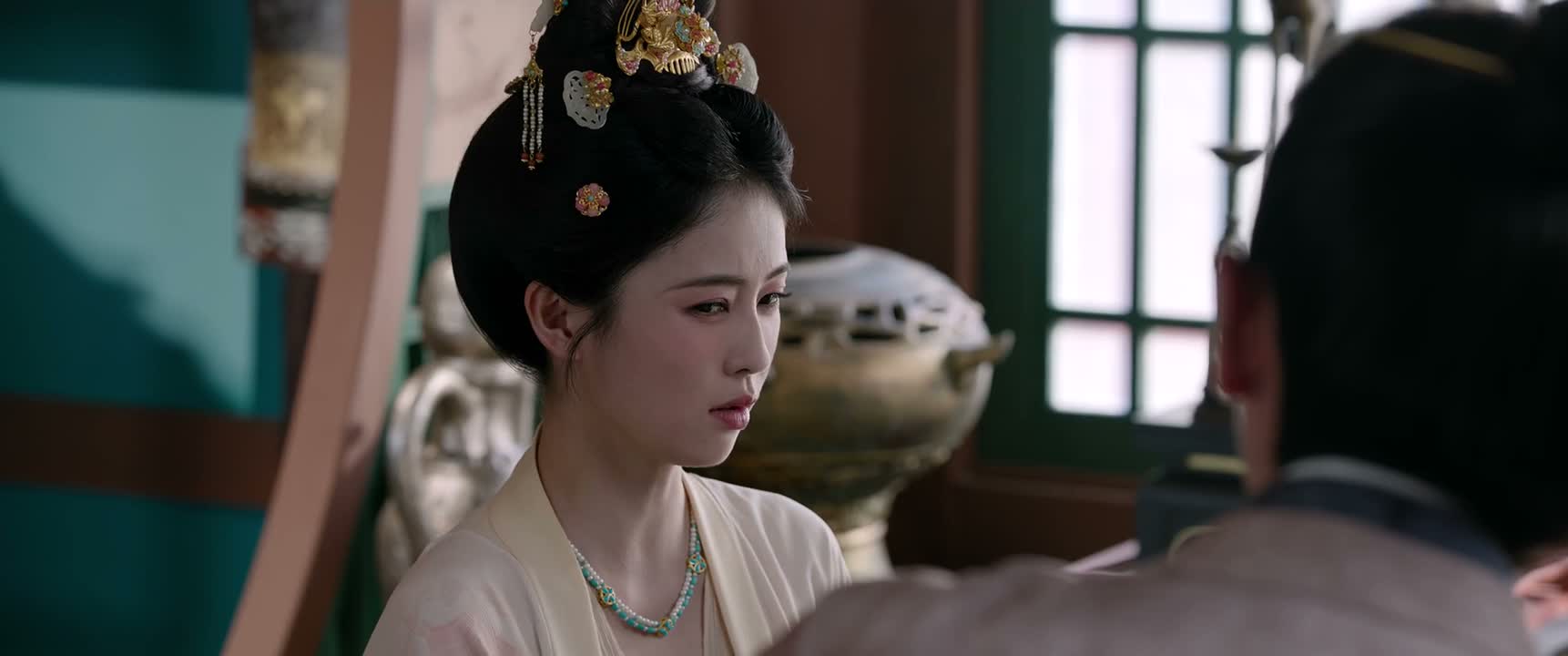
“I refuse. Jingzhao Prefecture is stuffy.”

“this man isn't registered with your office.”

“Do you guys in Jingzhao Prefecture have nothing to do?”

“There is a mole in the Capital Prefecture?”

“With Marquis Muyang's fall, all Jingzhao officials received rewards. Everyone is in high spirits and wants to go out and celebrate.”

“can dodge all the dirty and exhausting work?”