MC
MandarinClips Cinema Corpus
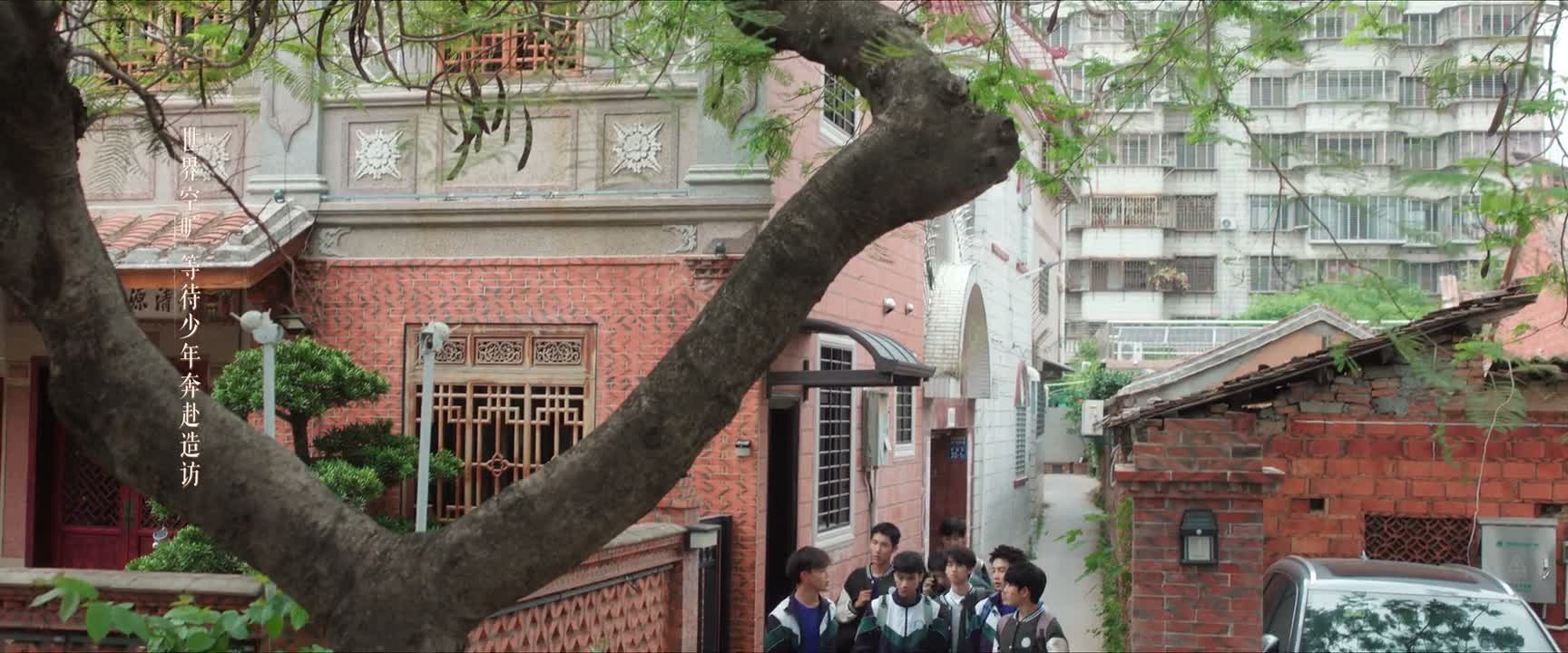
《Echoes of a Thousand Moons》 S1·E36 (14:07) HSK 5
wàn yī hái zhēn de dǎ yíng le ne

万一还真的打赢了呢

“And what if we actually win?”

《Echoes of a Thousand Moons》 S1·E36
TIMECODE: 14:07 · 1080P MASTER AUDIO

THE DIALOGUE REEL

1+1+1 SPOKEN CONTINUITY
[-1] PREVIOUS TURN ér qiě wàn yī hòu miàn jiù zhēn de dǎ qǐ lái le ne

“Besides, what if a war really breaks out later?”

wàn yī hái zhēn de dǎ yíng le ne CURRENT FOCUS

万一 还真 的 打赢了 呢

“And what if we actually win?”

[+1] FOLLOW-UP TURN bú shì nà yǐ hòu zěn me bàn ya jīn tiān bǎ zhè kǒu zi kāi le

不是 那以后怎么办呀 今天把这口子开了

“No. What do we do from now on? Since we started lying today,”

Subtitles synced to millisecond timecode Browse Show Clips →
Scene: Crisis & Conflict
Function: COUNTERING
Tone: INQUISITIVE
Emotion: HOPEFULNESS
WHAT THEY REALLY MEAN (PRAGMATIC SUBTEXT)
“Why assume failure? What if by some miracle we actually come out on top?”
💡 Cultural Insight: Contingency Thinking via Wanyi

The term '万一' implies one in ten thousand odds, highlighting the Chinese conversational habit of weighing marginal but decisive probabilities.

INTENT TAGS: #hypothetical #challenging #cautious_optimism #querying
🧩

LEARNING CHUNKS & PARTICLES

2 CHUNKS · 2 PARTICLES
万一……呢 SPOKEN CHUNK

what if...

Used to introduce an unlikely hypothetical situation or raise a contingency question.

打赢 SPOKEN CHUNK

to win a fight; to prevail in battle

Resultative complement construction indicating a successful outcome in physical conflict or war.

Modal Particle「呢」 (ne) CHANGE OF STATE

Softens the interrogative sentence and frames the clause as a reflective hypothetical question.

Modal Particle「了」 (le) CHANGE OF STATE

Marks the prospective realization or completion of winning.

🏮

VOCABULARY & EXPRESSIONS

3 EXPR · 3 GRAMMAR
CROSS-CINEMA CORPUS BOARD · PARALLEL SCENES

Parallel Spoken Cinema Scenes (语义近邻切片)

EXPLORE BY SEMANTIC SIMILARITY
《Echoes of a Thousand Moons》 S1·E36 (14:07) · Authentic Cinema Dialogue Corpus