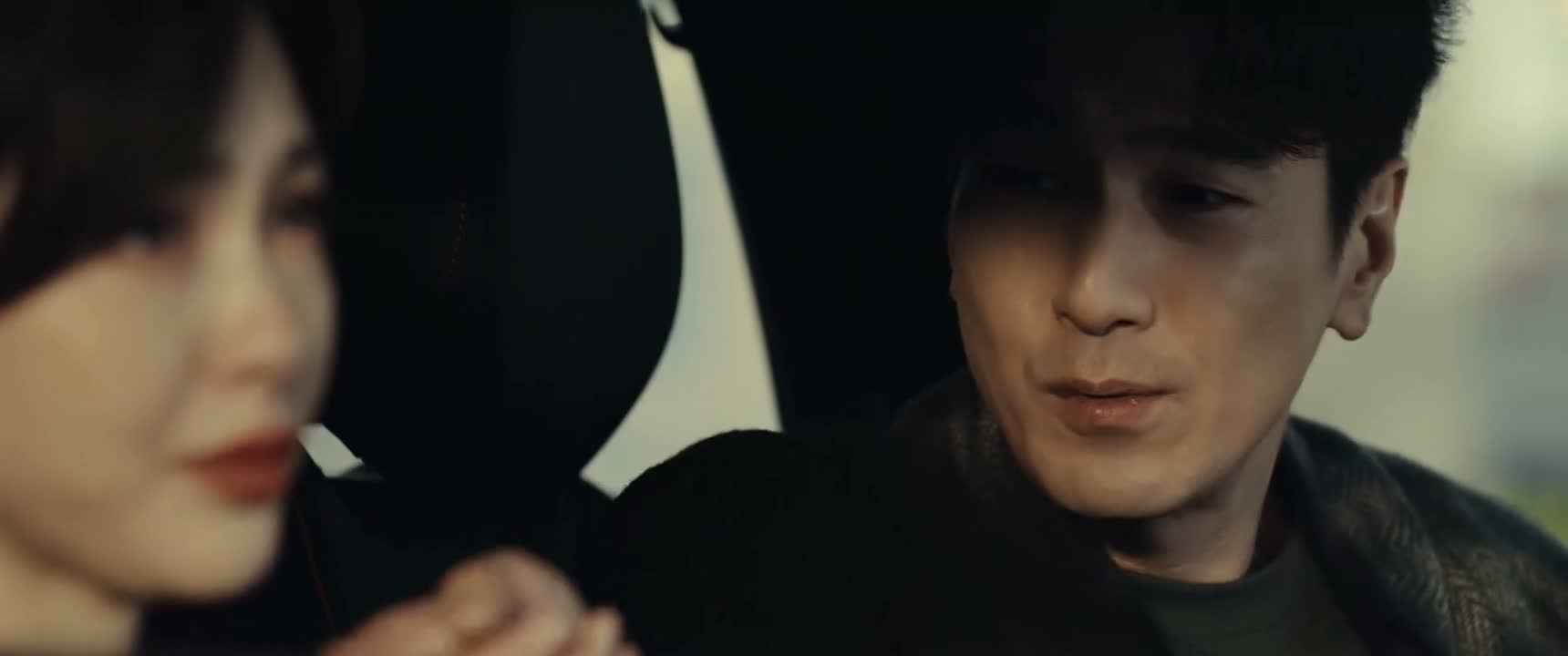
哭也好 闹也罢
“Crying or fussing,”
THE DIALOGUE REEL
这些我在五岁以前就习惯了
“I got used to this before I was five.”
哭 也好 闹 也罢
“Crying or fussing,”
总得有人在意
“someone has to care.”
“Throwing a fit is pointless if nobody cares to soothe you, so I learned never to bother.”
In Chinese culture, children forced to mature too early due to absence of parental indulgence are described as 'excessively sensible,' often masking unresolved childhood trauma.
LEARNING CHUNKS & PARTICLES
whether... or...
A paired grammatical construction used to list parallel actions or situations to indicate that regardless of which occurs, the conclusion remains the same.
crying and throwing a tantrum
Typically describes the emotional theatrics or tantrums of young children.
Functions in parallel with 也好 to denote concession or indifference across alternatives.
VOCABULARY & EXPRESSIONS
Parallel Spoken Cinema Scenes (语义近邻切片)
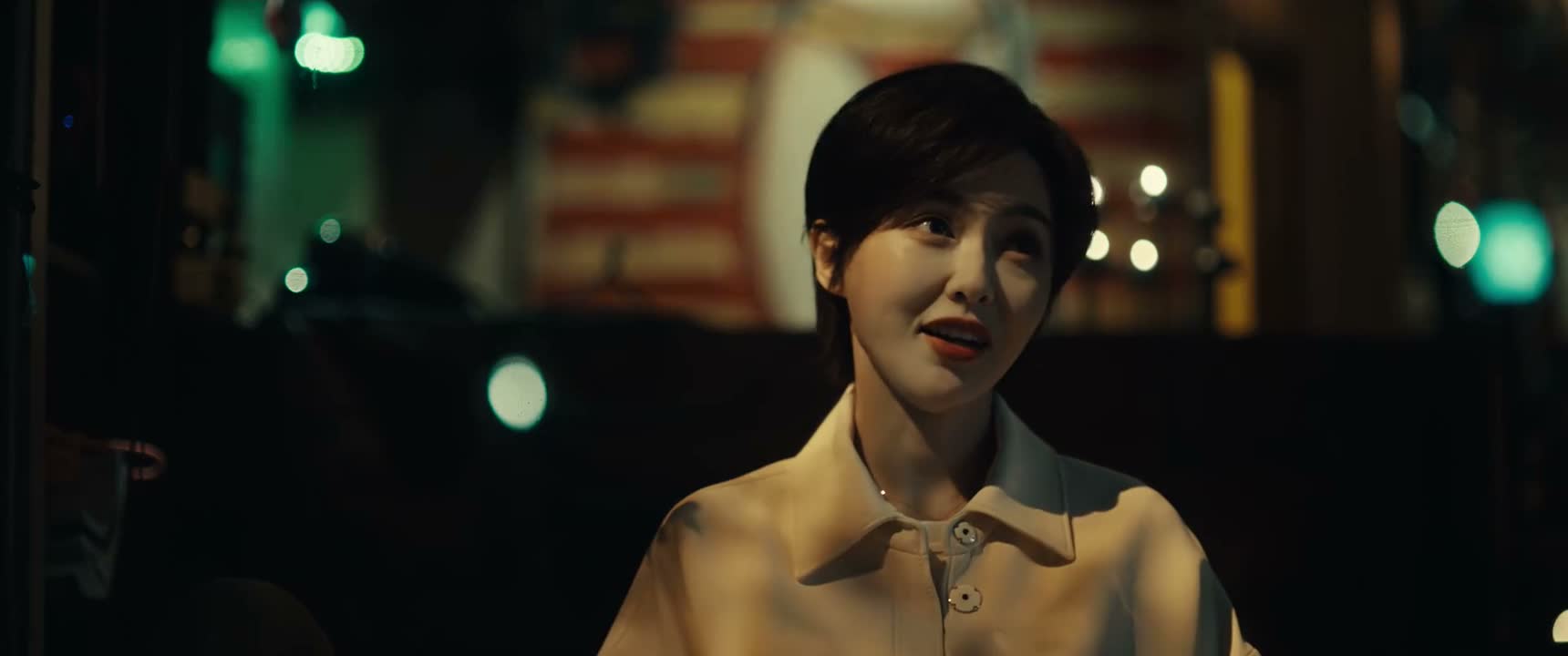
“fighting and making up again.”

“Sometimes he cries. Sometimes he howls over there.”
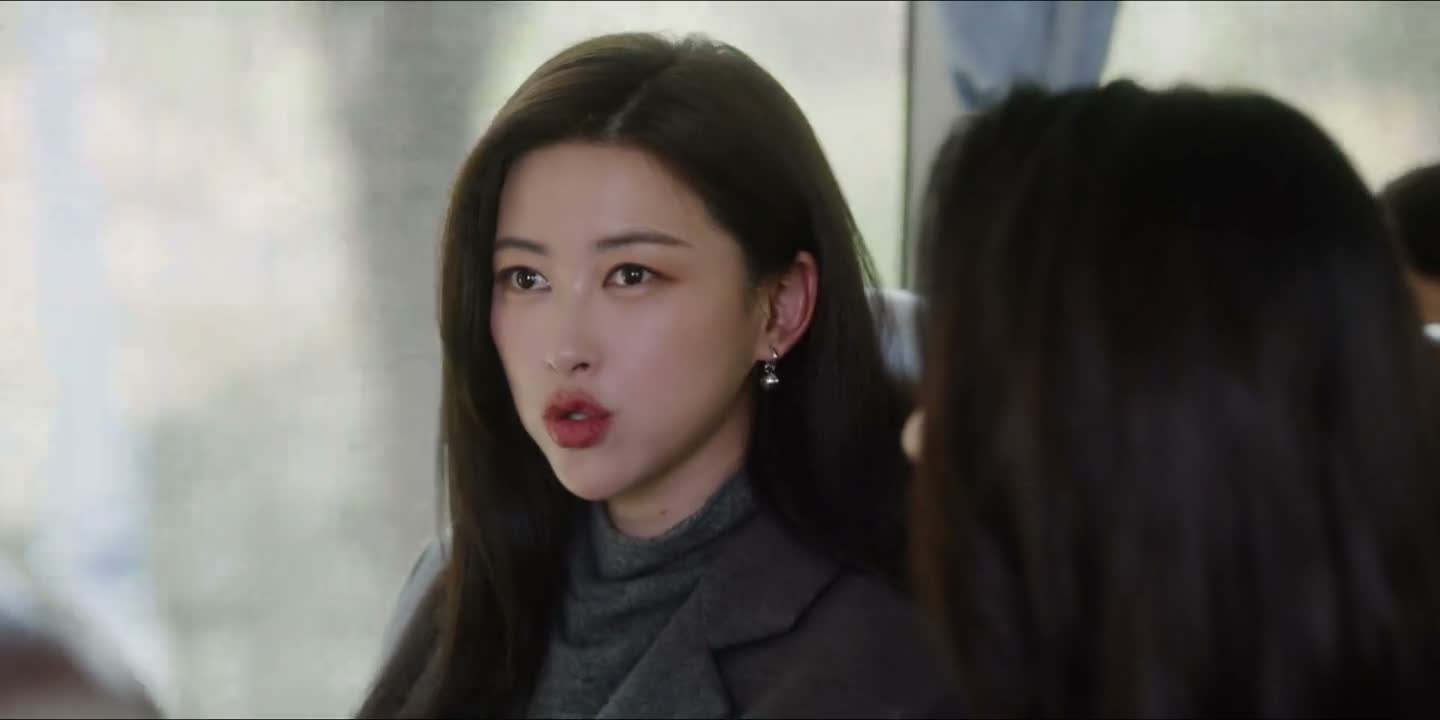
“and cried last night?”
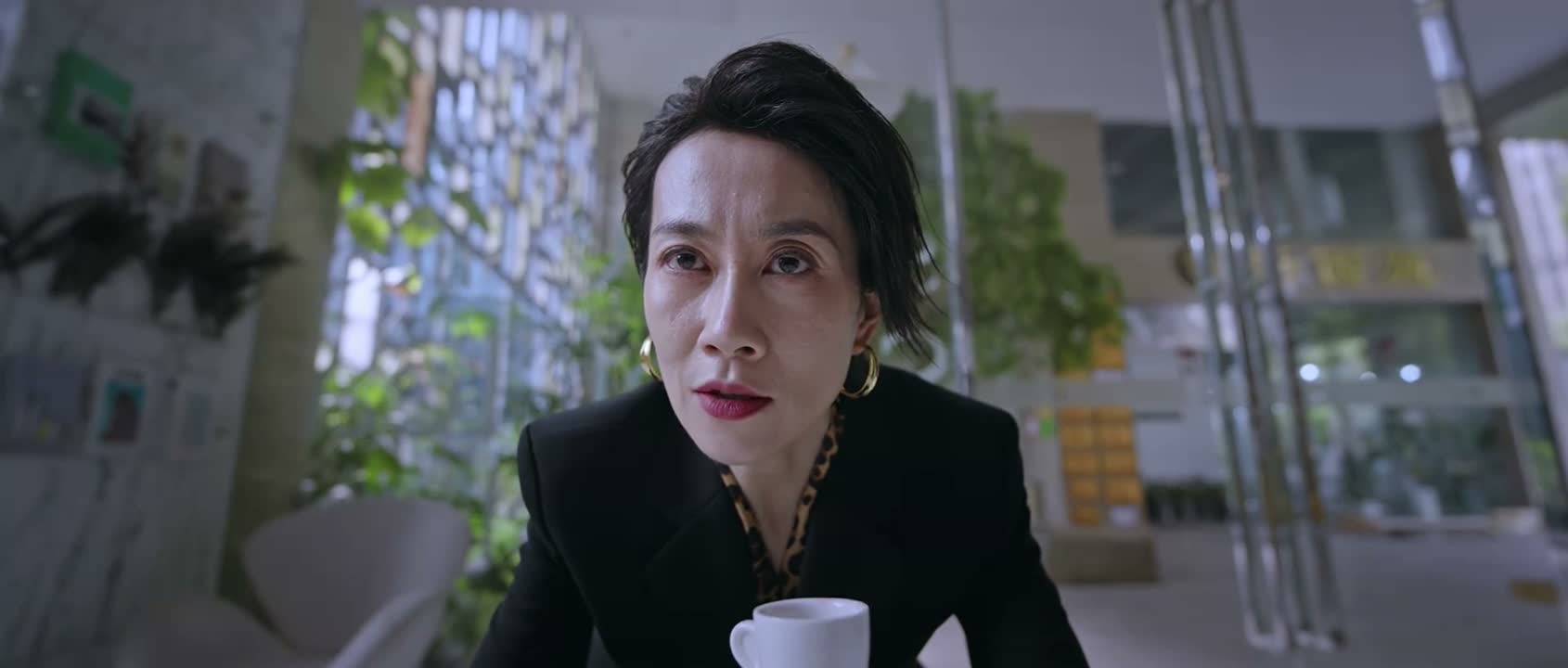
“they can all cause a huge uproar,”
“they can all cause a huge uproar,”
“Why are you crying? This is a good thing.”