他觉得他的病是我们害的
“He thinks his illness is all our fault.”
THE DIALOGUE REEL
他觉得他的病 是我 们 害的
“He thinks his illness is all our fault.”
天天折磨我
“He tortures me every day,”
“He is blaming his misery on us and using it as an excuse to torment us.”
Chronic illness in Chinese families can trigger severe psychological toxicity when sick elders project blame onto their immediate caregivers.
LEARNING CHUNKS & PARTICLES
caused by (someone's harm/fault)
Used colloquially to assign blame for a negative outcome or misfortune to a specific person.
Forms a 'shi...de' cleft construction emphasizing the agent responsible for the harm.
VOCABULARY & EXPRESSIONS
Parallel Spoken Cinema Scenes (语义近邻切片)
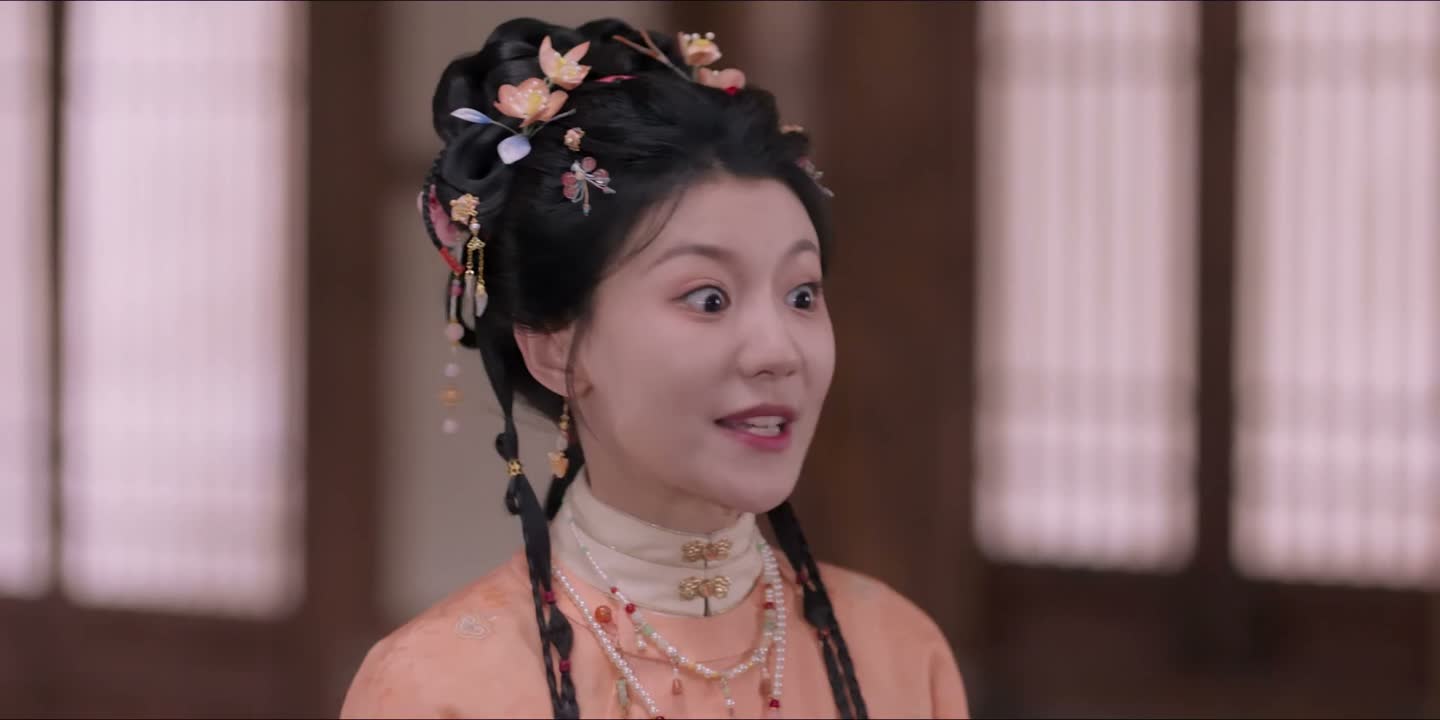
“We've all been ruined by him.”
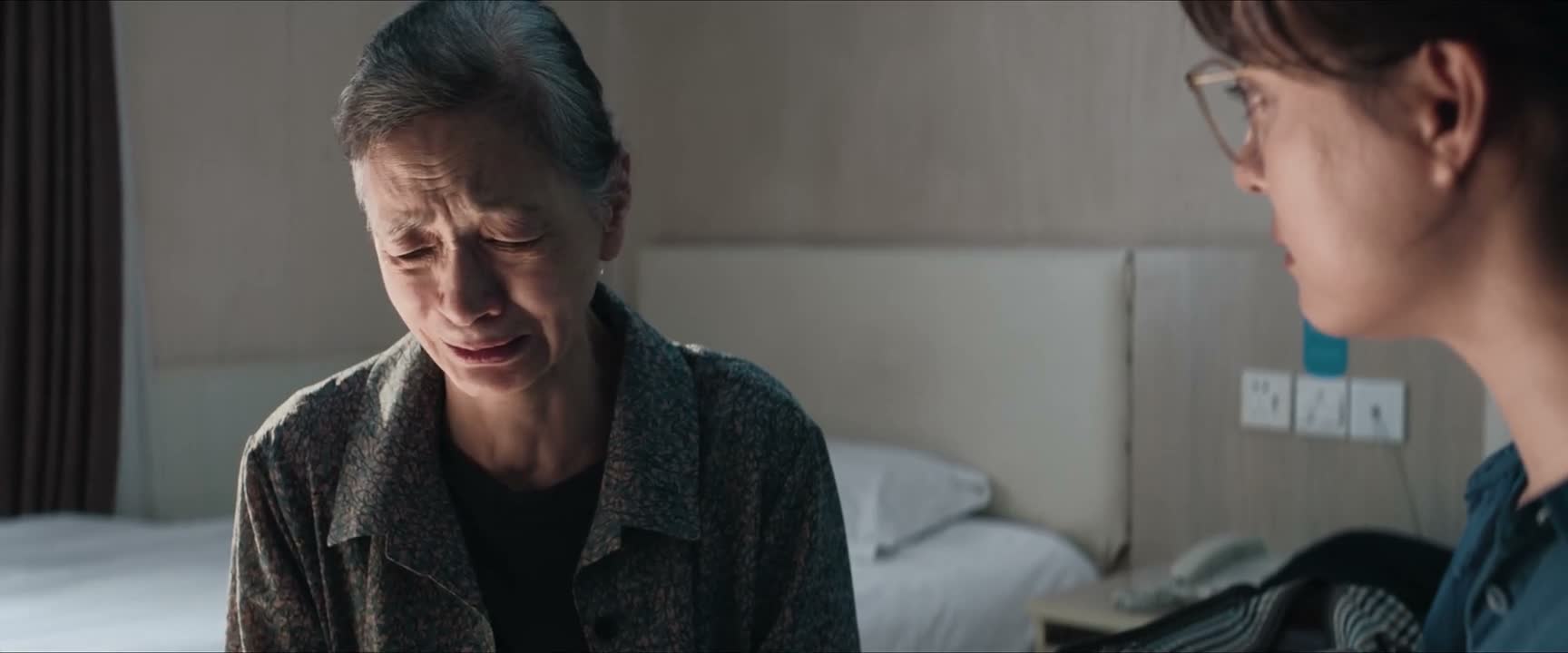
“were both ruined by him.”

“He probably just didn't want us to know that he was ill.”
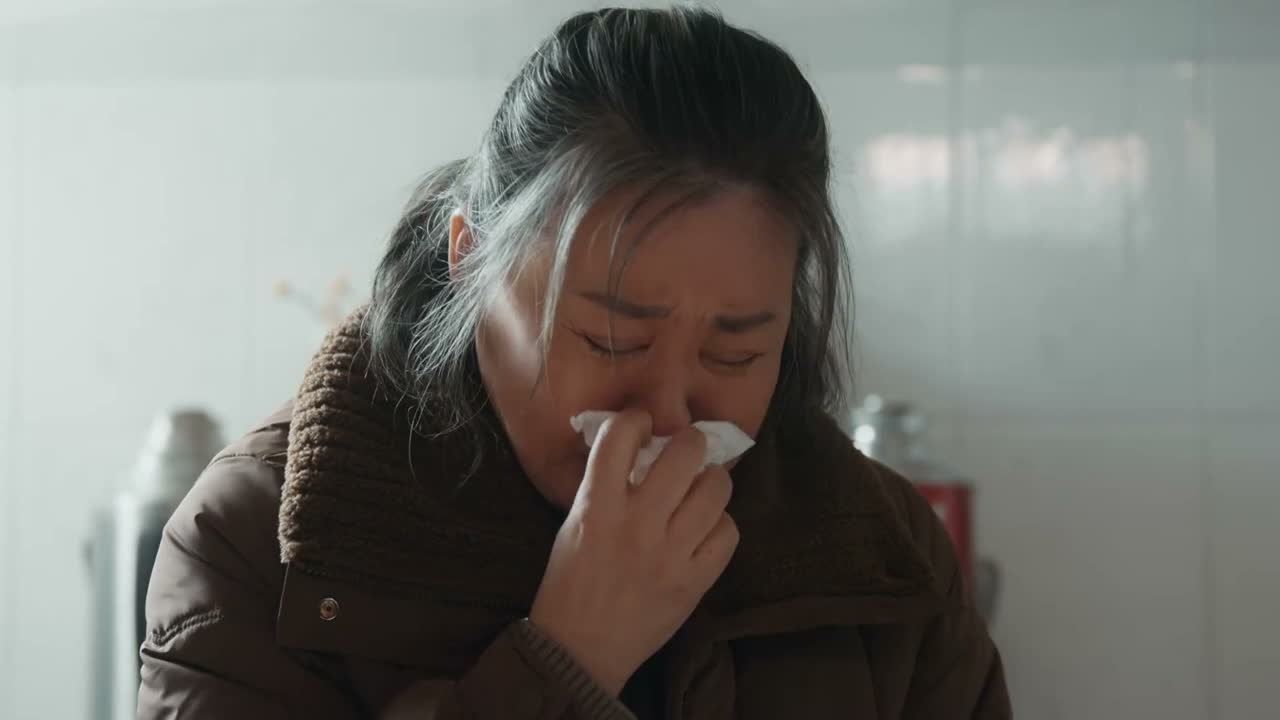
“I've ruined him.”

“Only then did I learn he was terminally ill”

“He has a dysfunction. We won't hang out with him.”