这口号是不是太上纲上线了
“aren't these slogans a bit over the top?”
THE DIALOGUE REEL
口号喊上啊 红兵
“Shout out the slogans! Hongbing,”
这口号 是不是 太 上纲上线 了
“aren't these slogans a bit over the top?”
你不上纲上线 你能引起他的注意
“If you don't go big, how can you get his attention?”
“This seems way too extreme and risky; we shouldn't escalate it like this.”
Historically derived from Mao-era mass political movements, this phrase cautions against treating minor disagreements as grave political or moral crimes.
LEARNING CHUNKS & PARTICLES
to elevate minor issues to matters of political principle / to blow things out of proportion ideologically
Originally from China's political history, now widely used colloquially to criticize someone for overreacting or over-politicizing an issue.
isn't it too... / might this be overly...
A polite rhetorical hedge used to soften a direct disagreement or cautionary question.
Indicates excessive degree when paired with '太', marking an undesirable threshold being crossed.
VOCABULARY & EXPRESSIONS
Parallel Spoken Cinema Scenes (语义近邻切片)

“That's over the top.”
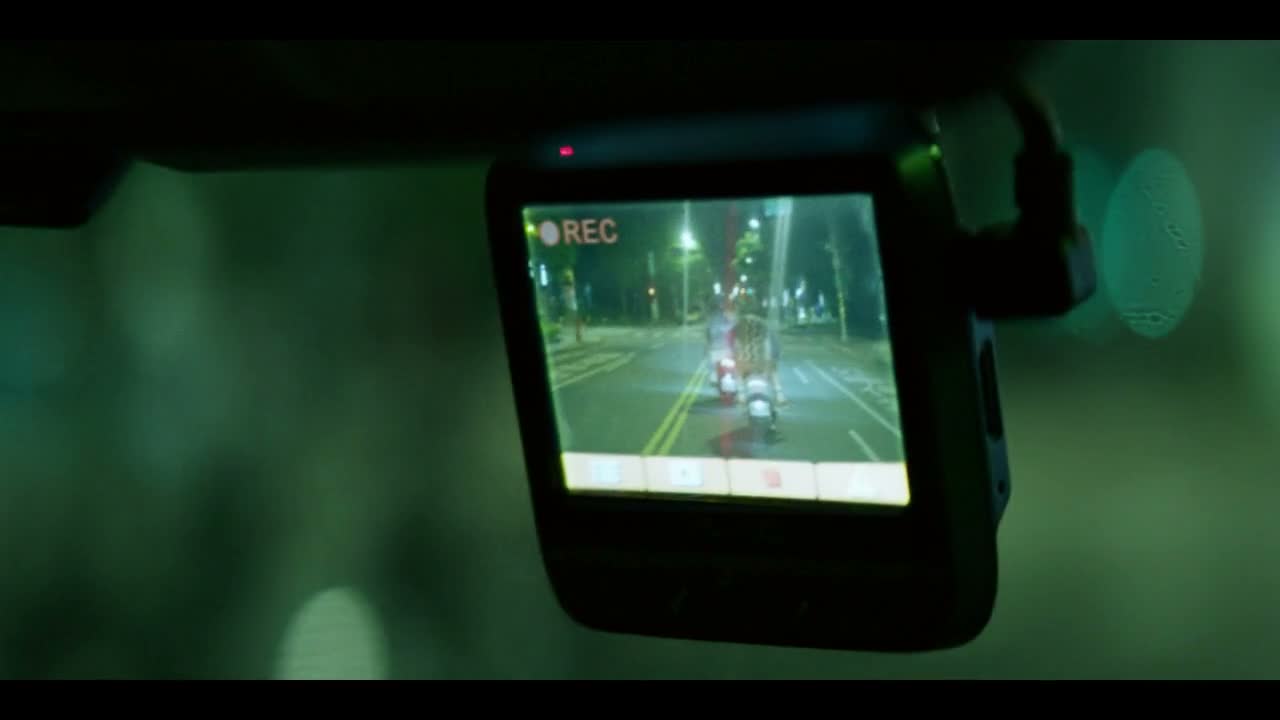
“[Ta-fu] No. They're way out of line. This is ridiculous.”

“- [fireworks popping] - [scooter honking] What are they doing?”

“You're being overly exaggerating.”

“They're too much.”

“isn't that statement a bit too absolute?”