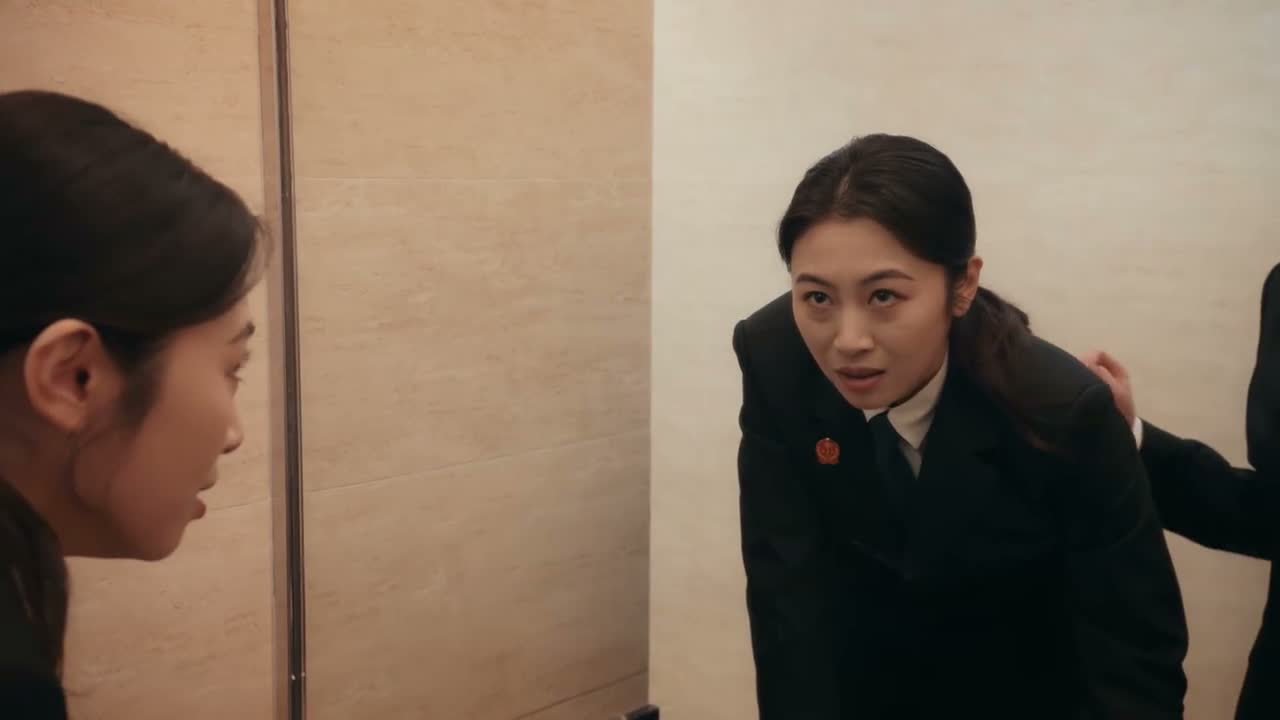
你别笑了 我怕我再不说 他到时候直接杀过来
“Stop laughing. I was afraid he would come himself and tell you directly.”
THE DIALOGUE REEL
“I really held it in until now. If I didn't say it...”
你 别笑了 我怕 我再 不说 他 到时候 直接 杀过来
“Stop laughing. I was afraid he would come himself and tell you directly.”
跟你本人说 那你不吓着了
“he would come himself and tell you directly. And you will be startled, right?”
“Be serious, this isn't funny; he will literally barge in on us.”
Spoken Chinese frequently adopts military or martial verbs like '杀' (to kill/charge) into casual speech to emphasize sudden, disruptive, and intimidating visits.
LEARNING CHUNKS & PARTICLES
stop laughing; don't laugh
Used when the speaker wants to pivot the listener from humor to immediate seriousness.
charge over aggressively; storm in
Colloquial metaphor describing someone rushing over in an angry, intense, or dramatic manner.
when the time comes; eventually
Standard conversational connective referencing a specific upcoming scenario.
Signifies a change of state, commanding the listener to cease laughing immediately.
VOCABULARY & EXPRESSIONS
Parallel Spoken Cinema Scenes (语义近邻切片)

“Don't be afraid. I won't hurt you.”

“Don't laugh. Were you really laid off?”

“Better not. I'm afraid he might scare you.”

“Don't worry. I just made up an excuse.”

“Don't frighten me.”
“Come on, don't scare me.”