来来来 给 再给你一个 王秦生 你干啥呢
“Come on, have one more. Wang Qinsheng, what are you doing?”
THE DIALOGUE REEL
带上 带上 带上
“Take it, take it.”
来来来 给 再 给你 一个 王秦生 你干啥呢
“Come on, have one more. Wang Qinsheng, what are you doing?”
“Is this rehearsal room a flea market?”
“Quit messing around and pay attention to rehearsal!”
In traditional Chinese performance troupes, rehearsal halls require solemn discipline; turning rehearsals into casual social chatter is immediately called out.
LEARNING CHUNKS & PARTICLES
come on / here you go
A colloquial spoken prompt used repeatedly to invite someone over, offer an item, or urge immediate action.
what are you doing?
A northern dialect-influenced casual spoken phrase commonly used to question someone's unexpected or questionable actions.
Softens the interrogative tone while signaling continuous action and mild curiosity or perplexity.
VOCABULARY & EXPRESSIONS
Parallel Spoken Cinema Scenes (语义近邻切片)
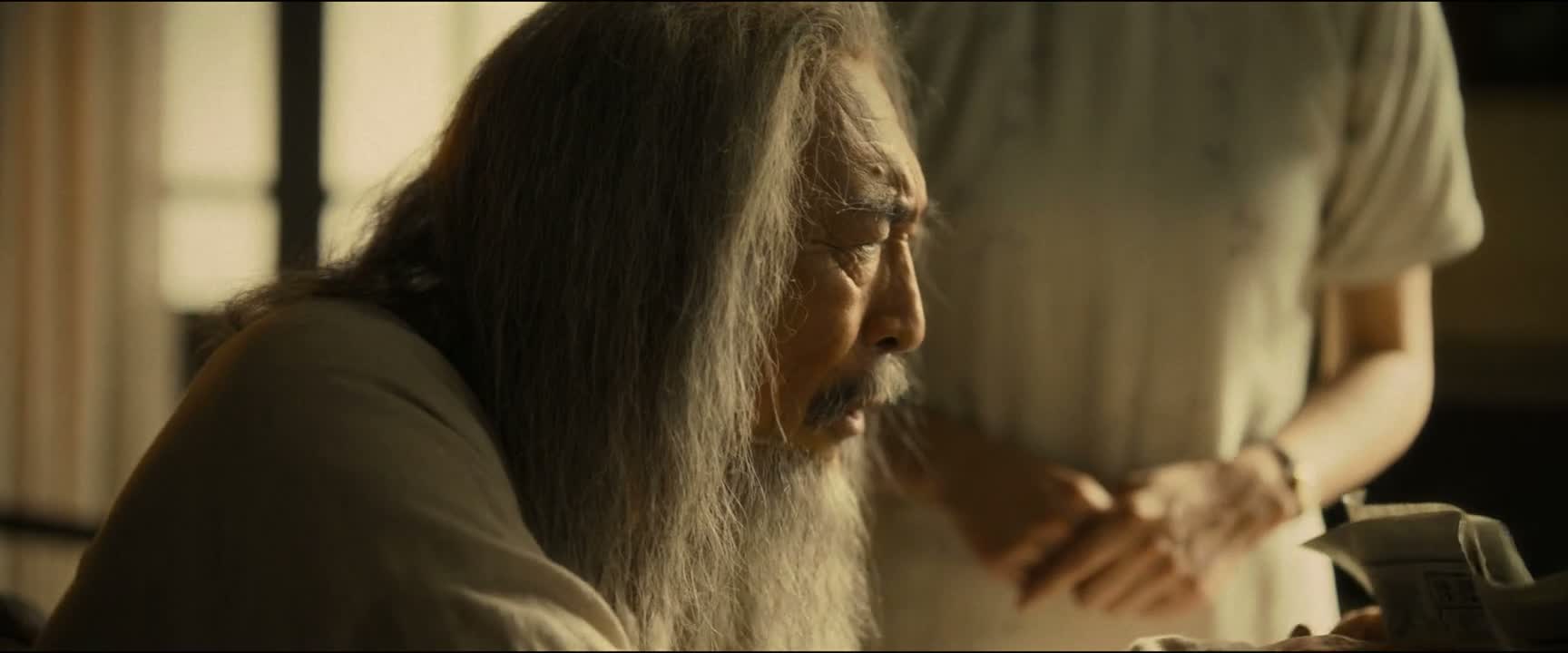
“Come, let me see. Don't look at it.”

“Here you go. - Give me one. - Here. Let me take a look.”

“Go on, please. You're so nice, Xie.”

“Come on, let's tidy up.”

“Give me. Seriously? Give me.”

“-Give it to me. -It's okay. Come on, give it to me. It's okay.”