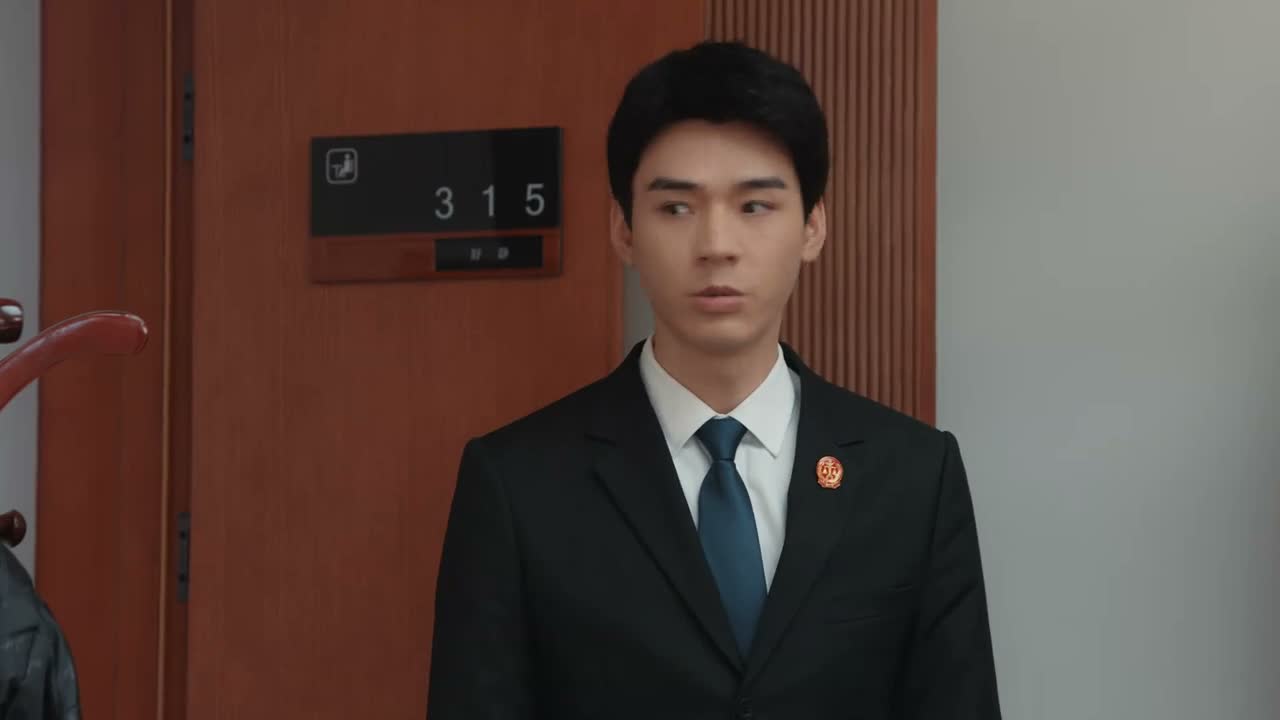
来 快进来 不用了 不用 你们 你们聊着
“Come in, please. No, thank you. I'll leave you to it.”
THE DIALOGUE REEL
阿姨
“Aunty.”
来 快进来 不用了 不用 你们 你们聊着
“Come in, please. No, thank you. I'll leave you to it.”
别别别 进来进来 来 凌霄 别站在门口堵着
“No. Come in, please. Come, Ling Xiao, don't block the way”
“Don't mind me; please keep talking and don't go out of your way to host me.”
Guests often reflexively decline offers or invitations at doorways to avoid imposing on the host or disturbing private moments.
LEARNING CHUNKS & PARTICLES
no need / that won't be necessary
A standard, polite way to turn down an offer or hospitality in daily Chinese.
go ahead and keep chatting
A polite phrase used to excuse oneself from interrupting other people's conversation.
Signals completion and reinforces the polite refusal.
VOCABULARY & EXPRESSIONS
Parallel Spoken Cinema Scenes (语义近邻切片)

“You two haven't finished talking? Wanna go back inside and chat some more?”
“You two carry on. I'll head out.”

“I can go with you. No, it is fine. We can handle it.”

“Come on in. Please, come in. Come.”

“Come in. Have a seat.”

“You two talk. No. I'll send you first.”