快进来
kuài jìn láiCommon spoken expression used by native Chinese speakers in daily life.
[Scene: 家庭日常]
(10 clips) 00:03
(他让我跟您说 千万别不舍得吃 你看你这孩子) ── Previous context
“Oh, my. You're on family leave, and you're delivering for him? Have some water.”
 00:02
 00:02
(这睡不好 三叔头晕脑胀 我自己来 你别动手了) ── Previous context
“Tell you what, I brought some fine tea. Come on in.”
 00:03
(不辛苦 妈) ── Previous context
“Come in. Come in and sit. Right. I got it. I got it.”
 00:02
(今天学校有点事给耽误了 没事 没事) ── Previous context
“Come on in. Why did I put it here? Pardon me.”
 00:03
(歇会吧) ── Previous context
“Come on, Fang. - Get in here. - Mom. Don't just stand there.”
 00:02
 00:03
(阿姨) ── Previous context
“Come in, please. No, thank you. I'll leave you to it.”
 00:02
 00:03
(记得 冯医生 快进来吧) ── Previous context
“Come on in. No need to change your shoes. Hi, Ms. Chen.”
[Scene: 其他场景]
(4 clips) 00:03
(对对对 咱不立在这儿说话 进屋嘛) ── Previous context
“- Qin'e, invite him in. - Please, come in. Okay, okay.”
 00:02
 00:03
 00:03
[Scene: 社交聚会]
(3 clips) 00:02
(我不寻思你没吃东西吗 半路给你打包点东西吃) ── Previous context
“Who needs food? We're drinking. Come on, get in here!”
 00:03
(吓死我了) ── Previous context
“It's not a festival. Why are you giving me a gift? Come in and sit down.”
 00:02
[Scene: 餐饮美食]
(1 clips)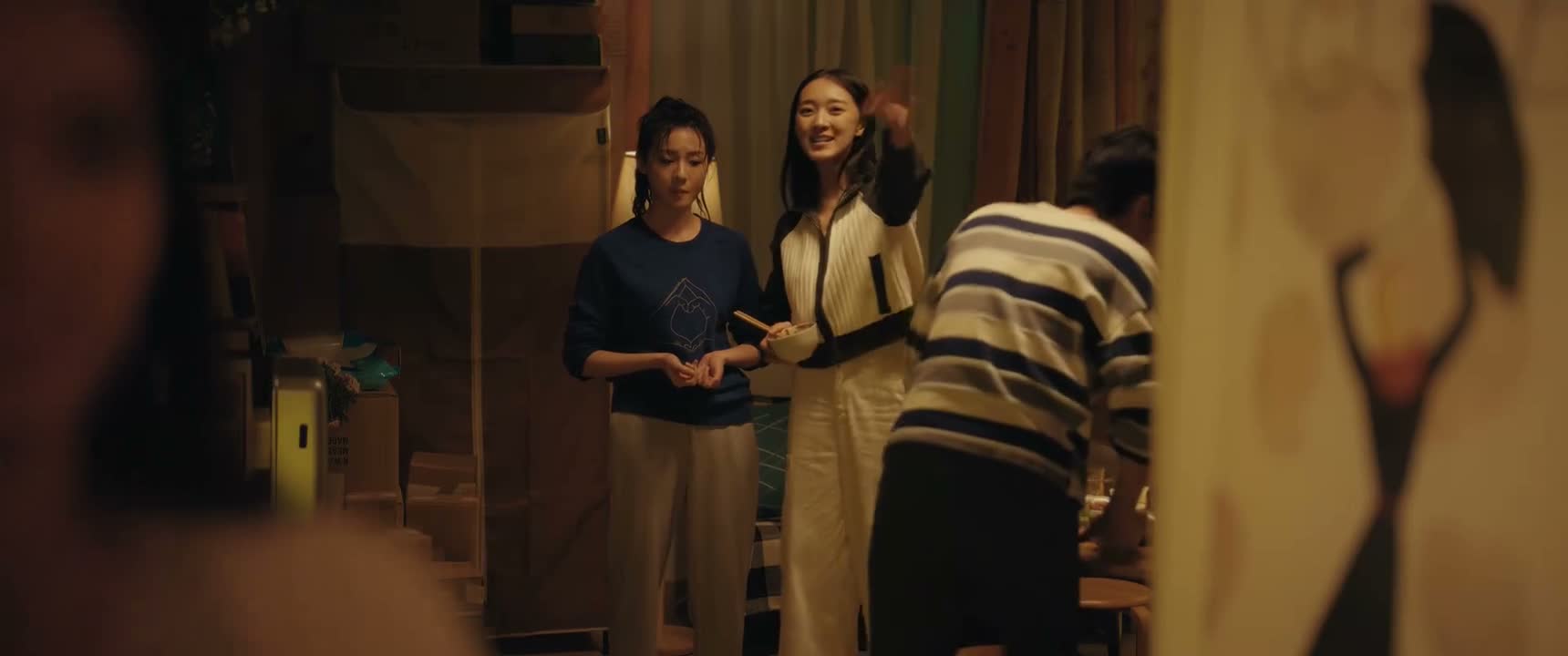 00:02
(没有 没有 不会的 没有 没有) ── Previous context
“Ms. Zhao, come in. We've got lots of snacks.”
[Scene: 其他场景]
(1 clips) 00:02
📌 来来来
→Nuance: 热情招呼进门,意图完全一致
📌 磨磨蹭蹭
→Nuance: 责备磨蹭并追加具体指令
📌 来呗
→Nuance: 迎客客套话,核心交际意图一致
📌 阿姨好
→Nuance: 热情迎客进门,意图完全一致
📌 吃菜
→Nuance: 同为席间热情招呼入座喝酒
📌 赶紧
→Nuance: 同为席间热情招呼入座喝酒
📌 怎么了
→Nuance: 同向近义词根配对: [医生 ↔ 大夫]
📌 真是
→Nuance: 核心交际意图均为催促进门