没事 我起得早 对啊 他起得早
“It's fine. I'm used to getting up early. Yes, he's used to it.”
THE DIALOGUE REEL
“don't get up so early every day to make breakfast. Let's take turns.”
没事 我 起得早 对啊 他 起得早
“It's fine. I'm used to getting up early. Yes, he's used to it.”
轮流做吧
“Let's take turns.”
“Don't worry about me; waking up early is natural for me, so just let me handle it.”
In Chinese domestic life, family members frequently deflect offers to share chores as an act of caring and endurance, downplaying their own labor.
LEARNING CHUNKS & PARTICLES
no problem / it's nothing
A common conversational hedge used to dismiss inconvenience or decline unnecessary favors politely.
wake up early
Used with the potential/descriptive complement '得' to describe a habitual early-rising routine.
Softens the agreement and adds an informal, warm confirming tone to '对啊'.
VOCABULARY & EXPRESSIONS
Parallel Spoken Cinema Scenes (语义近邻切片)

“It's fine. I'm quite experienced.”

“Don't beat yourself up. My brother told you not to overthink it.”

“Get up early tomorrow. Don't delay anything.”
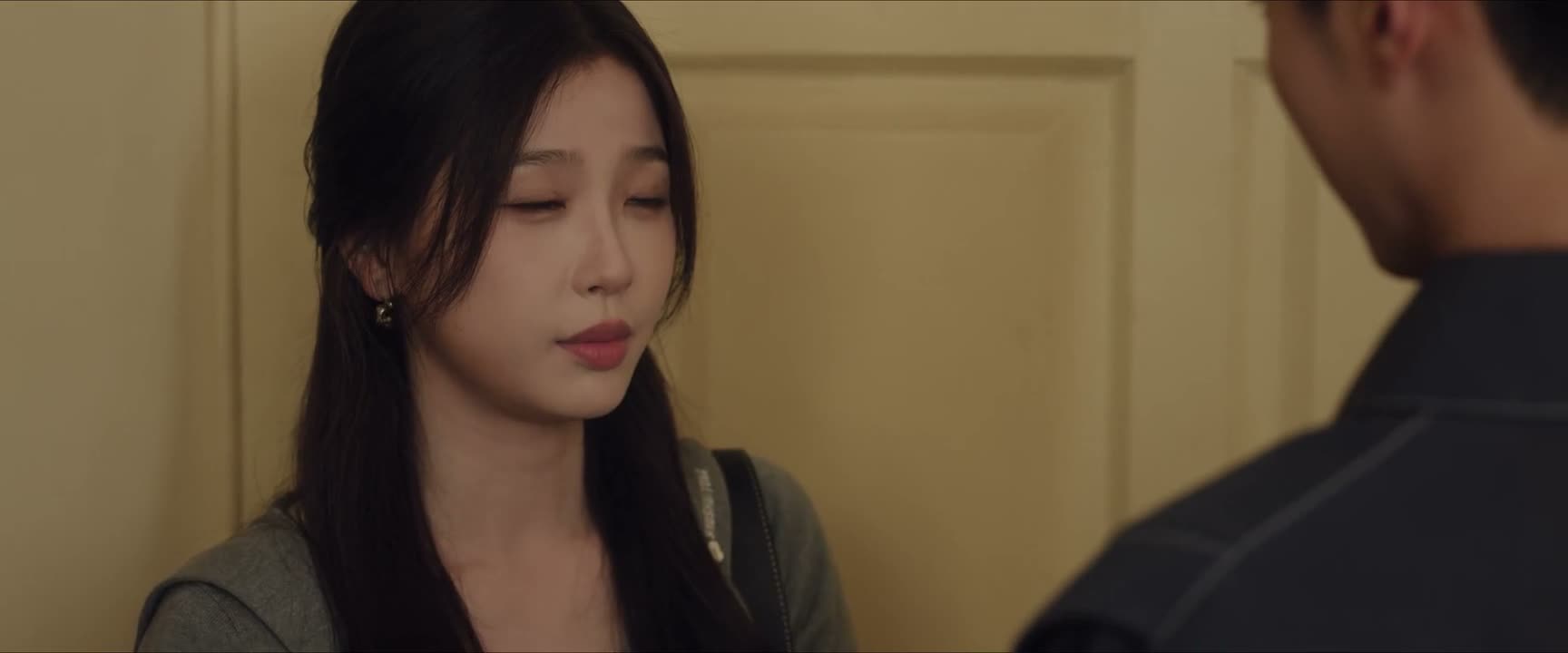
“I'm fine. I'm just a little tired.”

“Then we won't have to get up so early.”
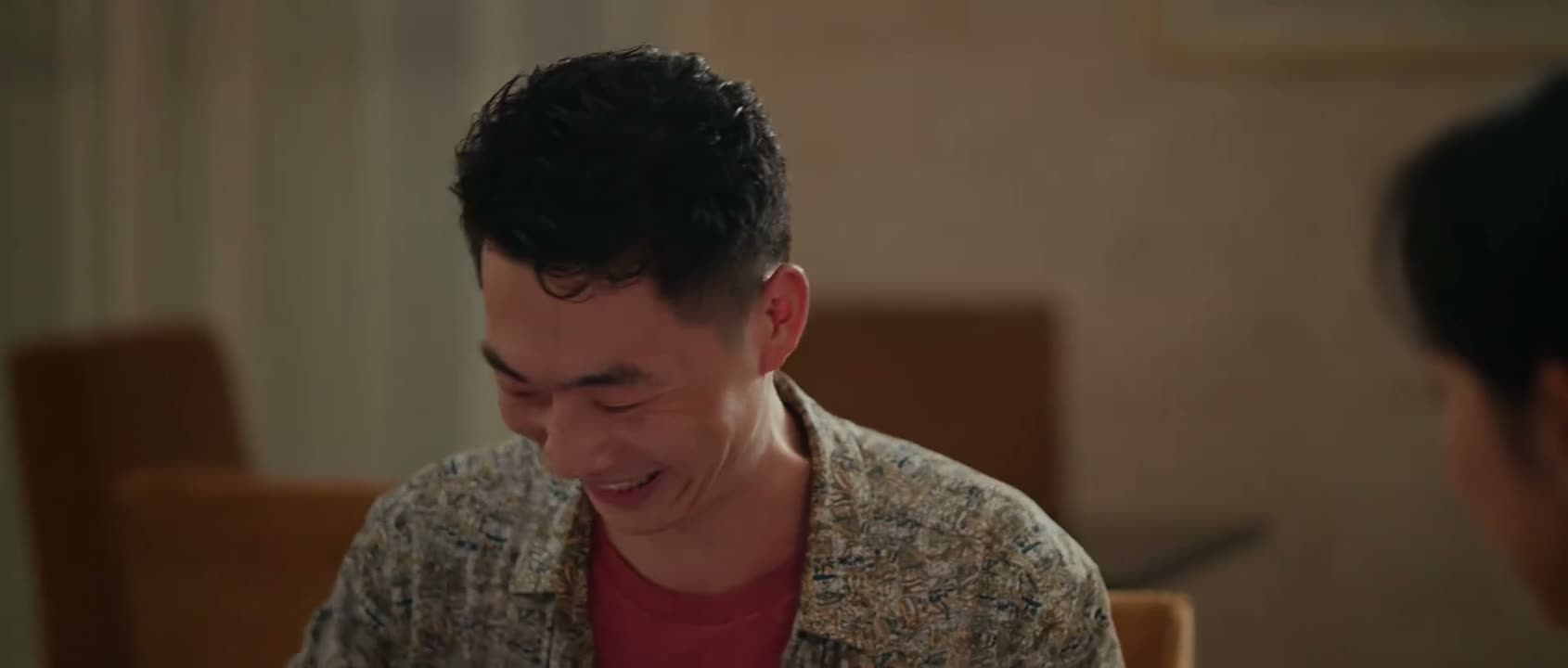
“It's fine, I trust you. I'll sign it.”