晚上 她要再见不着凌霄 她就又哭又闹的
“In the evening, if she can't see Ling Xiao again, she would make a tearful scene.”
THE DIALOGUE REEL
小橙子见不着她哥
“Chengzi can't see him.”
晚上 她要 再见 不着凌霄 她就 又哭又闹 的
“In the evening, if she can't see Ling Xiao again, she would make a tearful scene.”
我也没办法呀
“I can do nothing about it.”
“You have to help me out here, because I can't handle her crying all night if she doesn't see him.”
In contemporary Chinese family dramas, younger siblings often form intense emotional attachments to older siblings, creating parental dilemmas.
LEARNING CHUNKS & PARTICLES
unable to see or meet
The potential complement form of '见' indicating failure to encounter or access someone.
crying and throwing a tantrum; making a scene
An idiomatic pattern '又A又B' used specifically to describe a child's uncontrollable crying and misbehavior.
Placed at the end of the clause to add a descriptive certainty and emotional emphasis to the habitual consequence.
VOCABULARY & EXPRESSIONS
Parallel Spoken Cinema Scenes (语义近邻切片)

“Maybe it's a good thing that I didn't meet her. Otherwise, I wouldn't know what to talk about.”
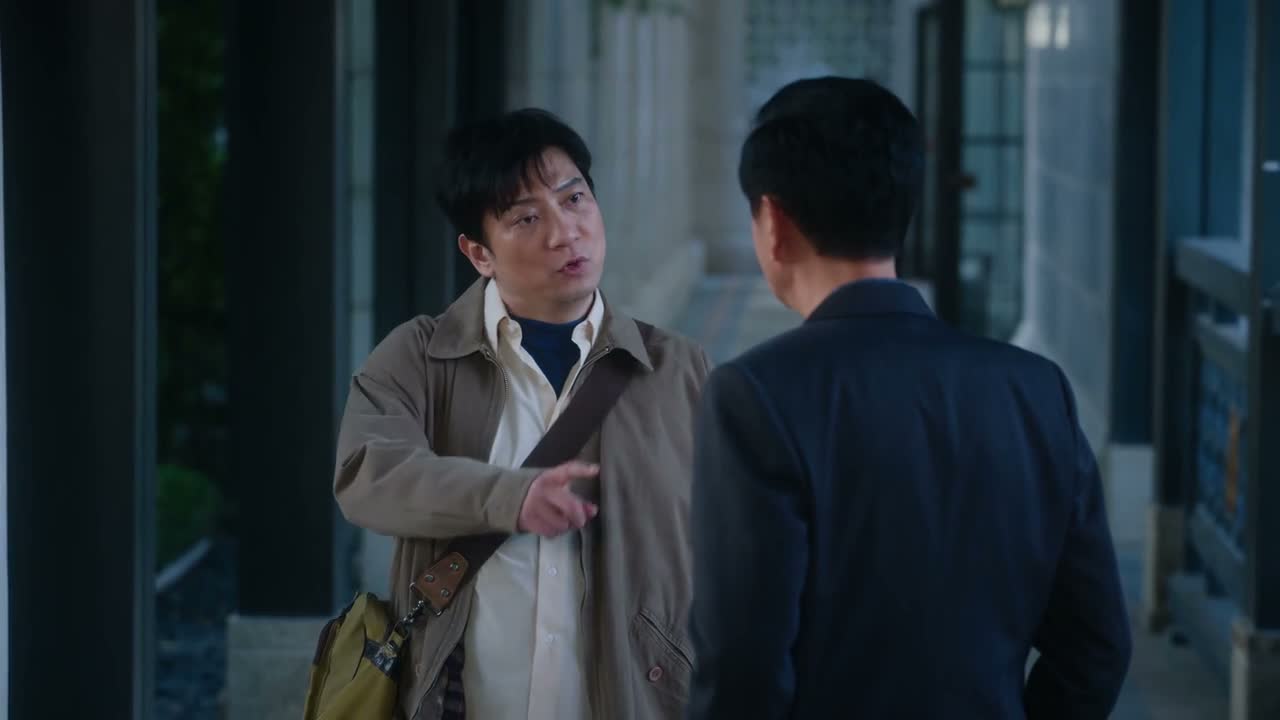
“She doesn't want to see you anymore.”

“I saw her come out, but I haven't seen her since.”
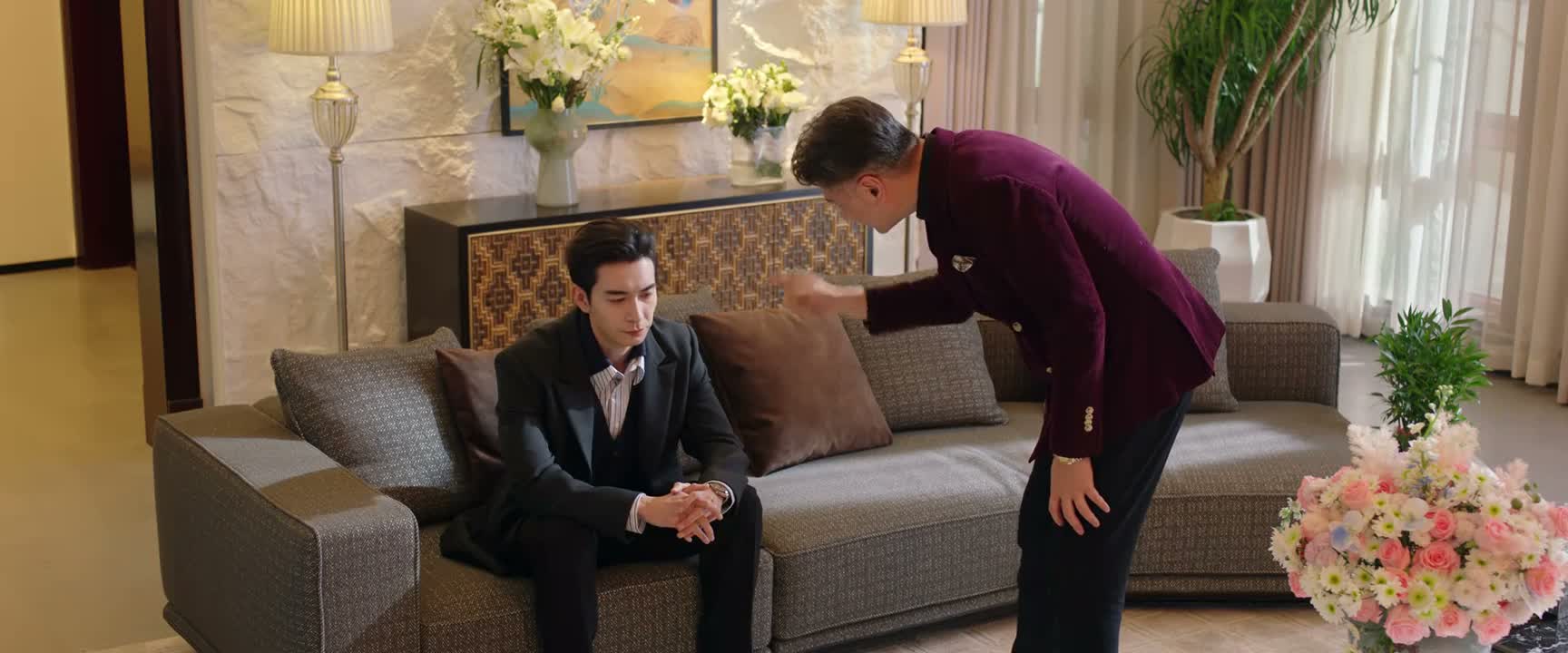
“You're forbidden to see her from now on.”

“But then I never saw her again.”
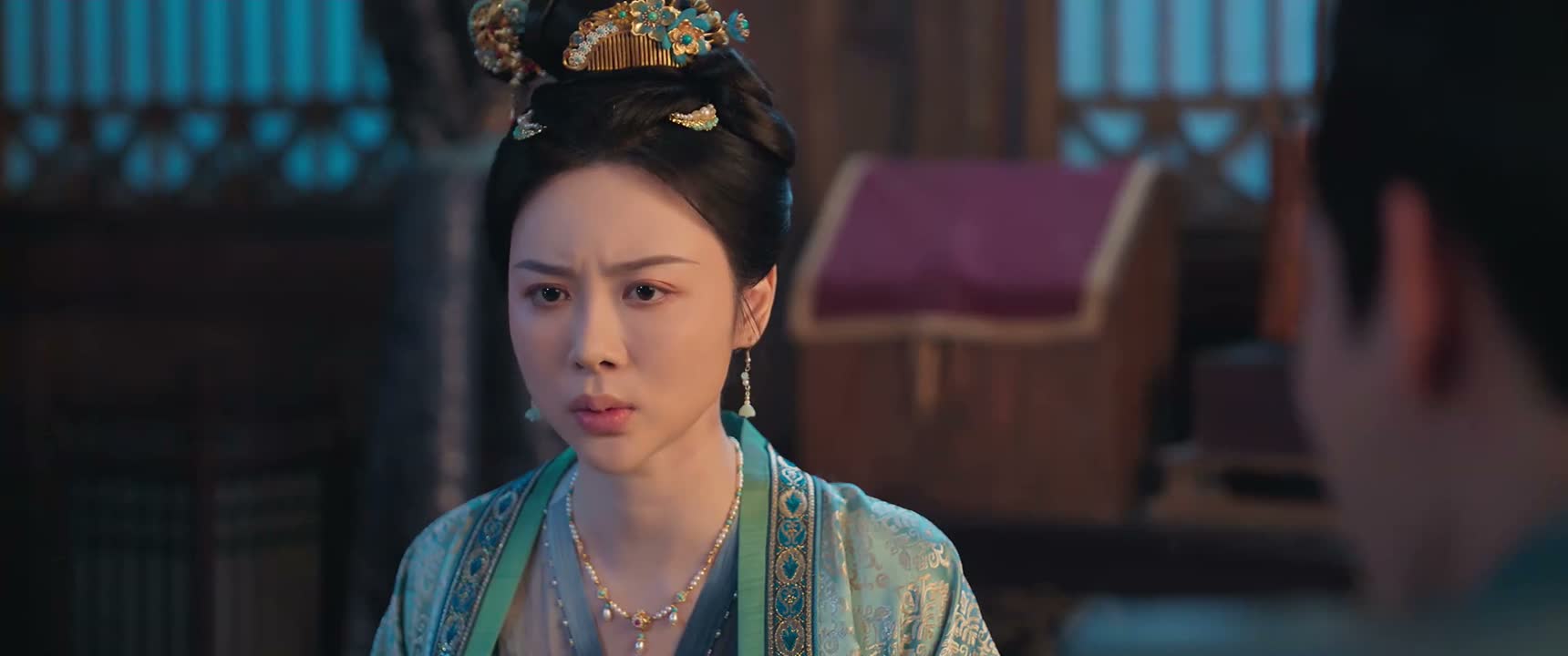
“I never saw her again.”