没礼貌 叫高老师
“Be polite. Call him Mr. Gao.”
THE DIALOGUE REEL
你也可以管我叫小盛 那就叫你小盛吧 好啊
“or just Sheng. I'll call you Sheng. Okay.”
没礼貌 叫高老师
“Be polite. Call him Mr. Gao.”
“It's okay, Ms. Chen. You're so kind. I'll go prepare some fruits.”
Direct spoken expression in this communicative setting.
In Chinese culture, children addressing adults by nickname or first name is considered disrespectful; proper titles like 'Teacher' maintain social hierarchy and family propriety.
LEARNING CHUNKS & PARTICLES
impolite; rude; lacking manners
Commonly used by parents or elders to reprimand children for inappropriate social conduct.
address him as Teacher Gao
A direct imperative used to instruct someone to use an honorific title.
VOCABULARY & EXPRESSIONS
Parallel Spoken Cinema Scenes (语义近邻切片)

“By rights, I should call you 'teacher.'”

“How could you do that? He hit Mr. Gao! Let's beat him!”
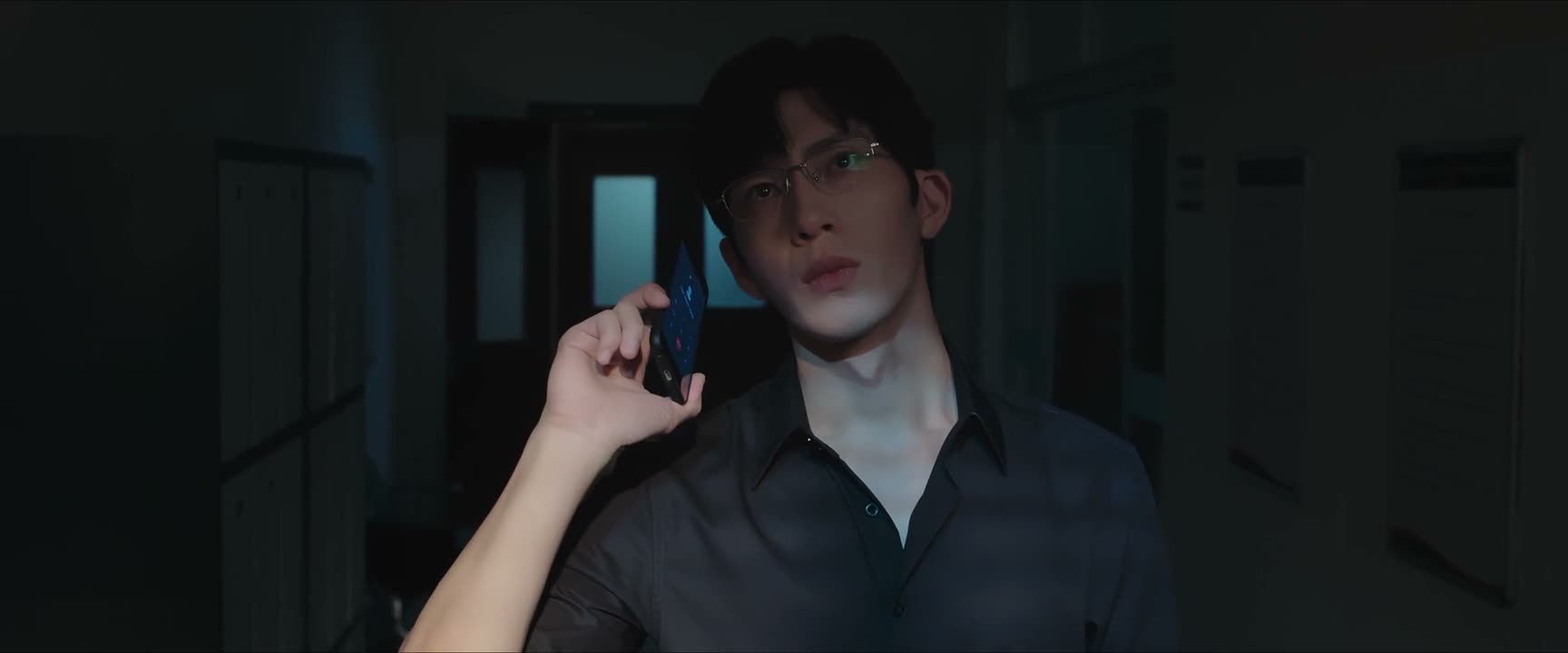
“you are very impolite! Didn't your mother teach you?”

“Let me give you some real advice.”
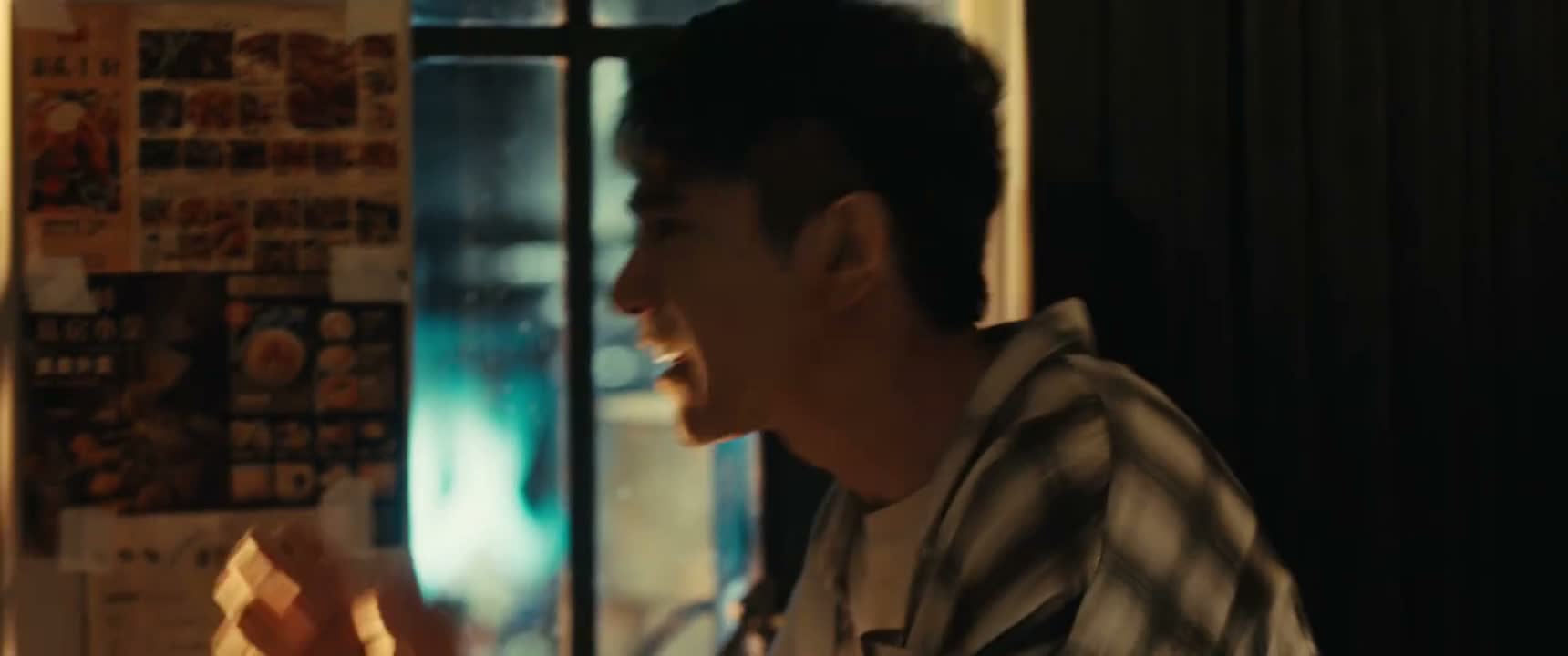
“Nobody cares about being polite and courteous, okay? Who's being polite and courteous?”
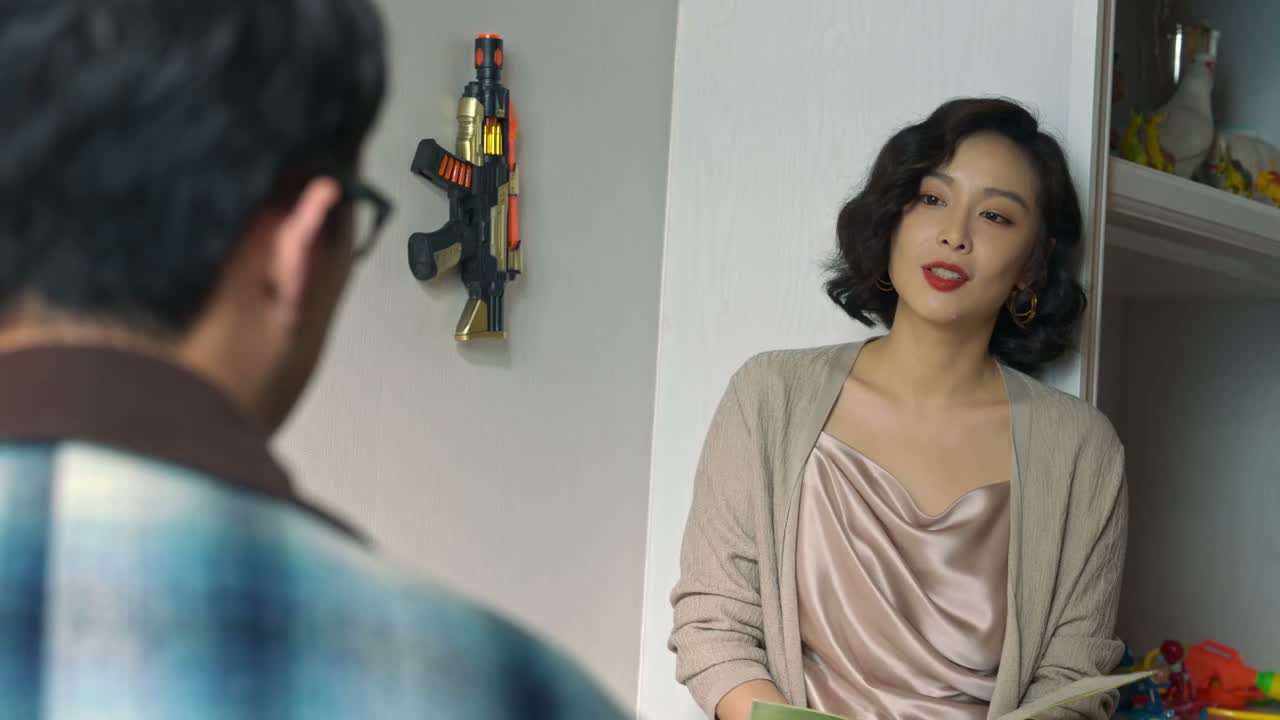
“Mr. Gao is a good teacher.”