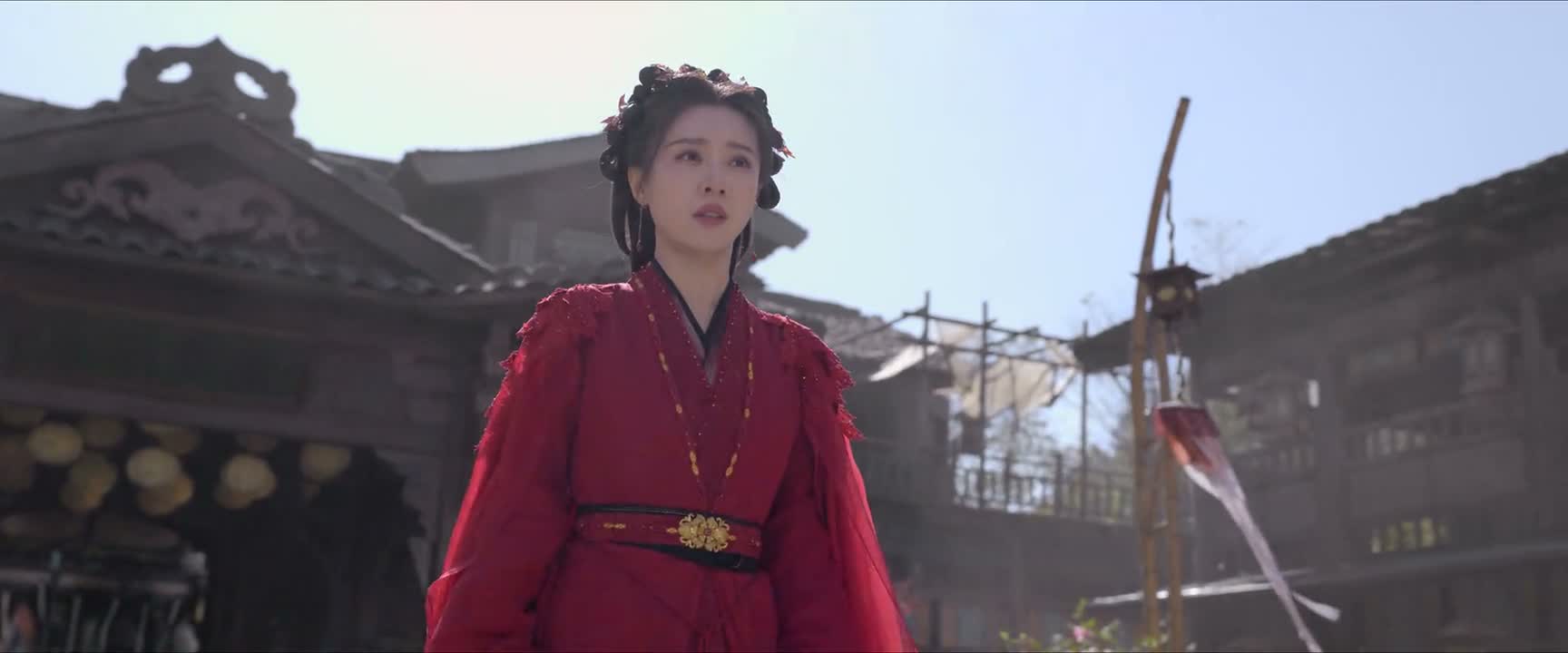
谁还能长住着呀 是吧
“no one can live here forever, right?”
THE DIALOGUE REEL
要是没有规矩
“doesn't have rules,”
谁 还能 长住着呀 是吧
“no one can live here forever, right?”
咋了
“What's wrong?”
“Without boundaries, this place will be ruined and nobody will want to stay.”
In Chinese communal culture, strict adherence to established rules (guiju) is viewed as essential for preventing chaos and ensuring collective well-being.
LEARNING CHUNKS & PARTICLES
who could possibly still...
A rhetorical question pattern implying 'obviously nobody can'.
right?; isn't that so?
A common conversational tag used to seek immediate agreement from the listener.
Softens the rhetorical question and invites empathetic agreement rather than sounding overly aggressive.
Forms a tag question prompting the listener to confirm the speaker's logic.
VOCABULARY & EXPRESSIONS
Parallel Spoken Cinema Scenes (语义近邻切片)

“I can't keep staying here.”

“could hold the northwest?”

“You can't stay here anymore.”
“No one can live forever.”

“Since they won't let you stay here anymore, where else could we go?”

“How much longer can I stay here with you?”