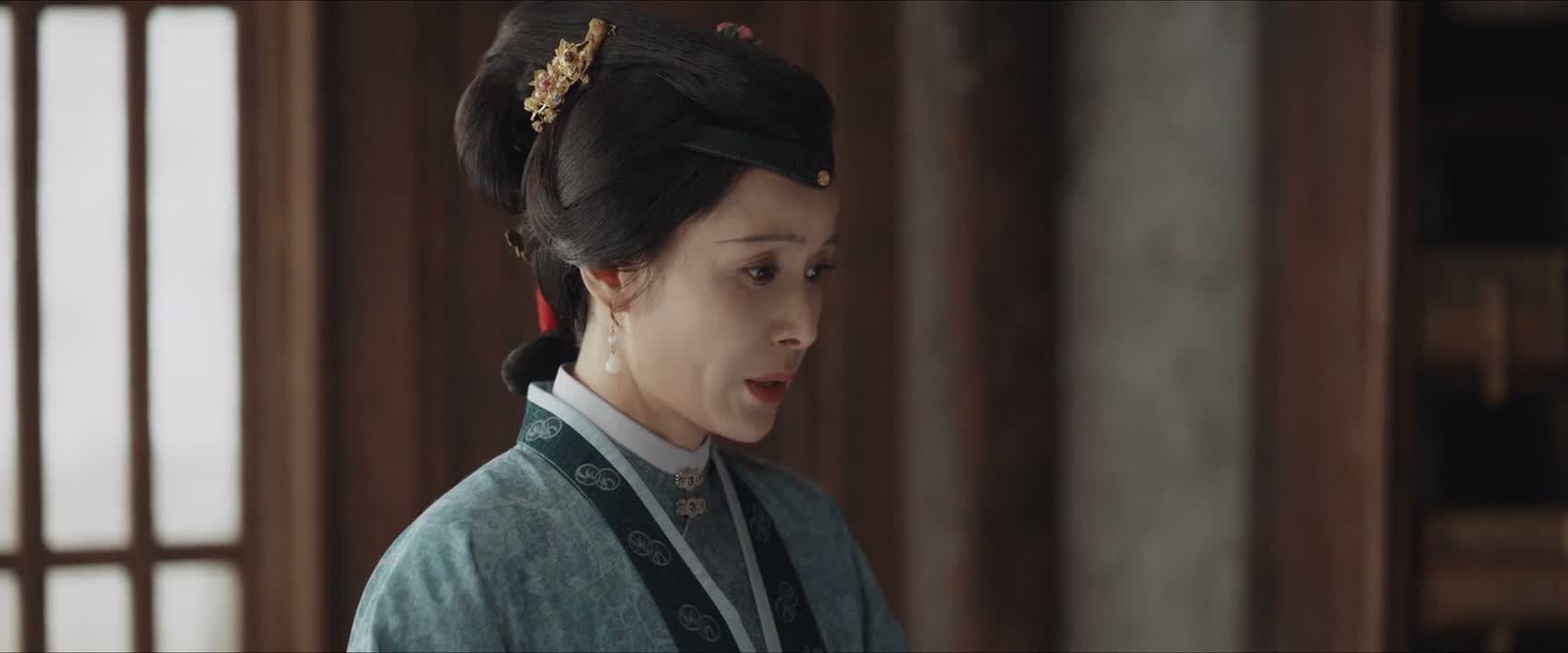
大伯娘 别跟我客气了
“Eldest Aunt, don't be so polite to me.”
THE DIALOGUE REEL
你为佑儿考虑得这么周全 大伯娘要怎么好好谢谢你
“You've thought of everything for Zhengyou so carefully. How can I ever thank you enough?”
大伯娘 别跟我客气了
“Eldest Aunt, don't be so polite to me.”
你们没有出过这么远的门
“You've never traveled this far before.”
Direct spoken expression in this communicative setting.
In Chinese family ethics, being overly polite ('keqi') toward close kin creates emotional distance; urging relatives not to be polite reaffirms shared communal bonds.
LEARNING CHUNKS & PARTICLES
don't stand on ceremony with me
A highly common spoken response to excessive thanks or gift offers among close friends and family.
wife of father's eldest brother; eldest aunt
Kinship term used in many northern and central Chinese regions to address the wife of one's eldest paternal uncle.
Marks the cessation of an action, urging the listener to stop continuing to be polite.
VOCABULARY & EXPRESSIONS
Parallel Spoken Cinema Scenes (语义近邻切片)
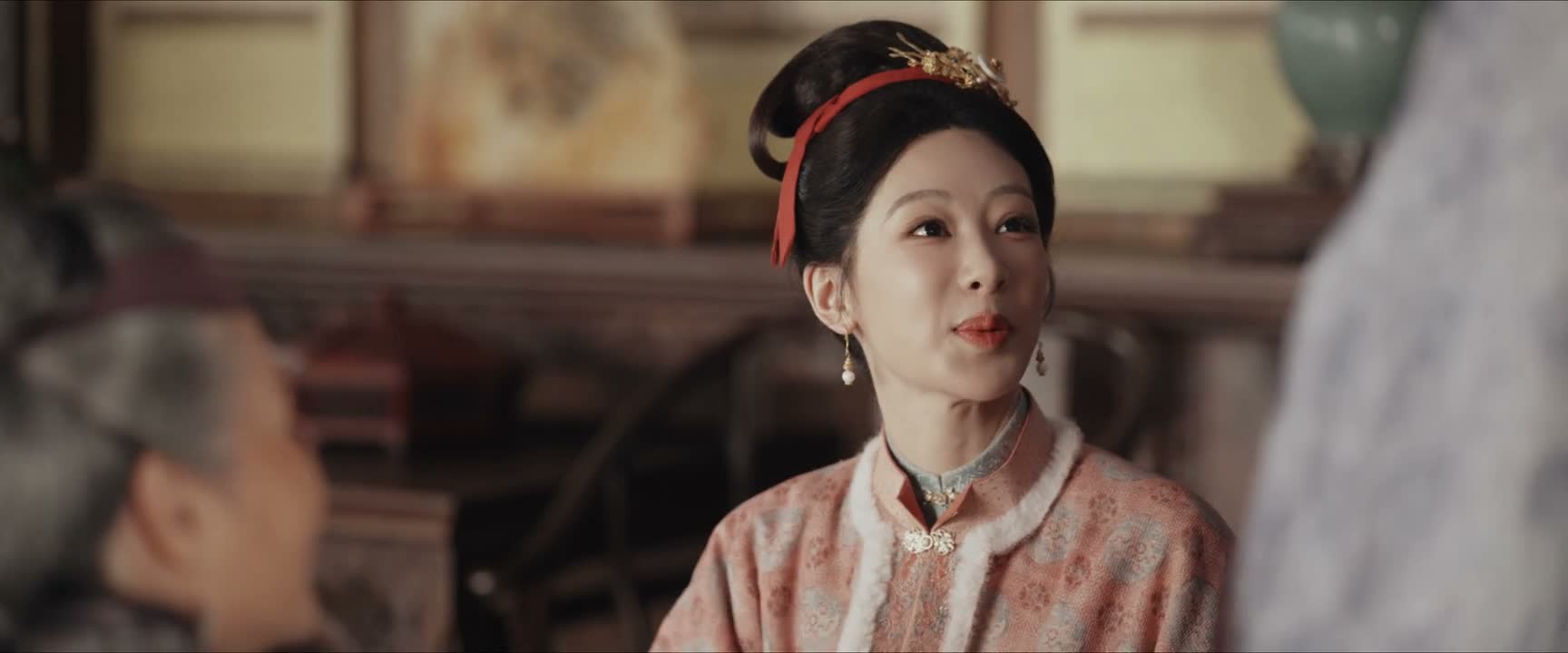
“Eldest Aunt, would you agree?”

“Eldest Aunt, I never took it to heart.”
“Eldest Aunt, slow down! She really is here.”
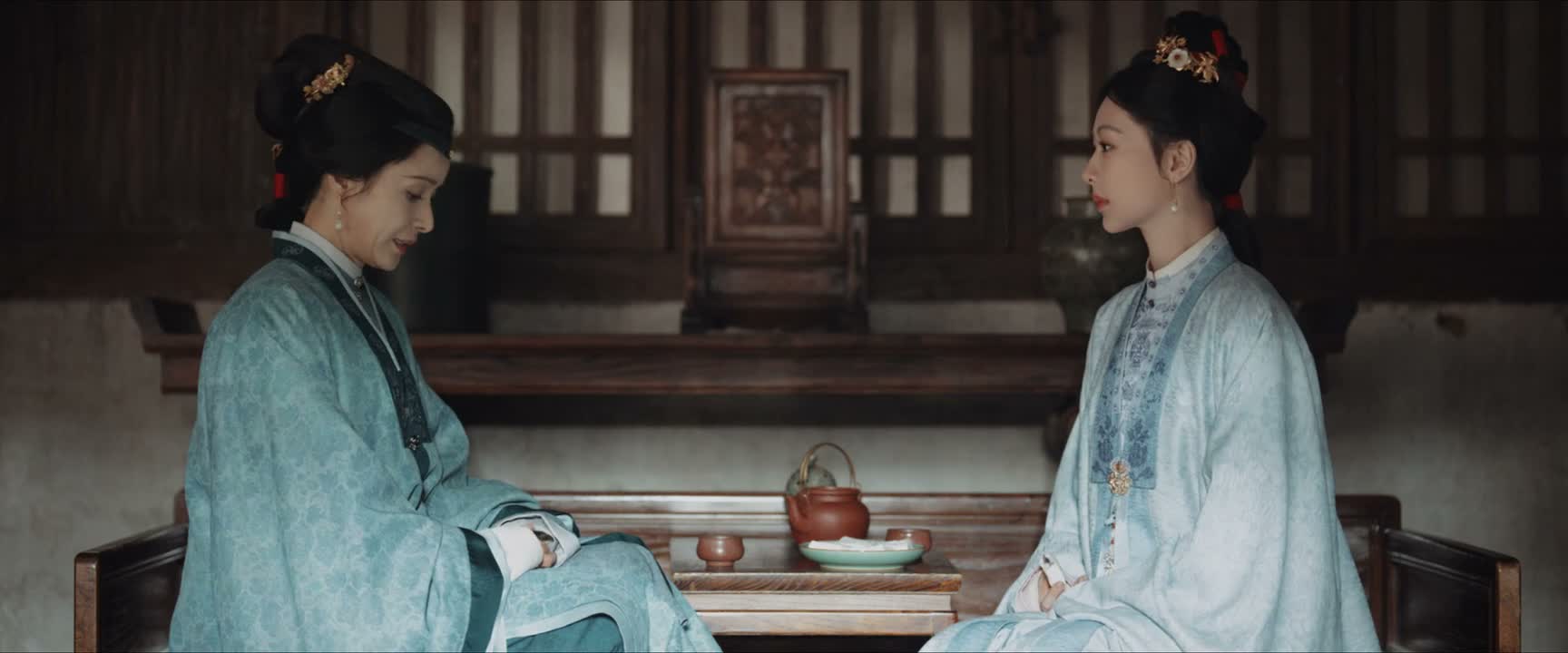
“I'm truly ashamed.”
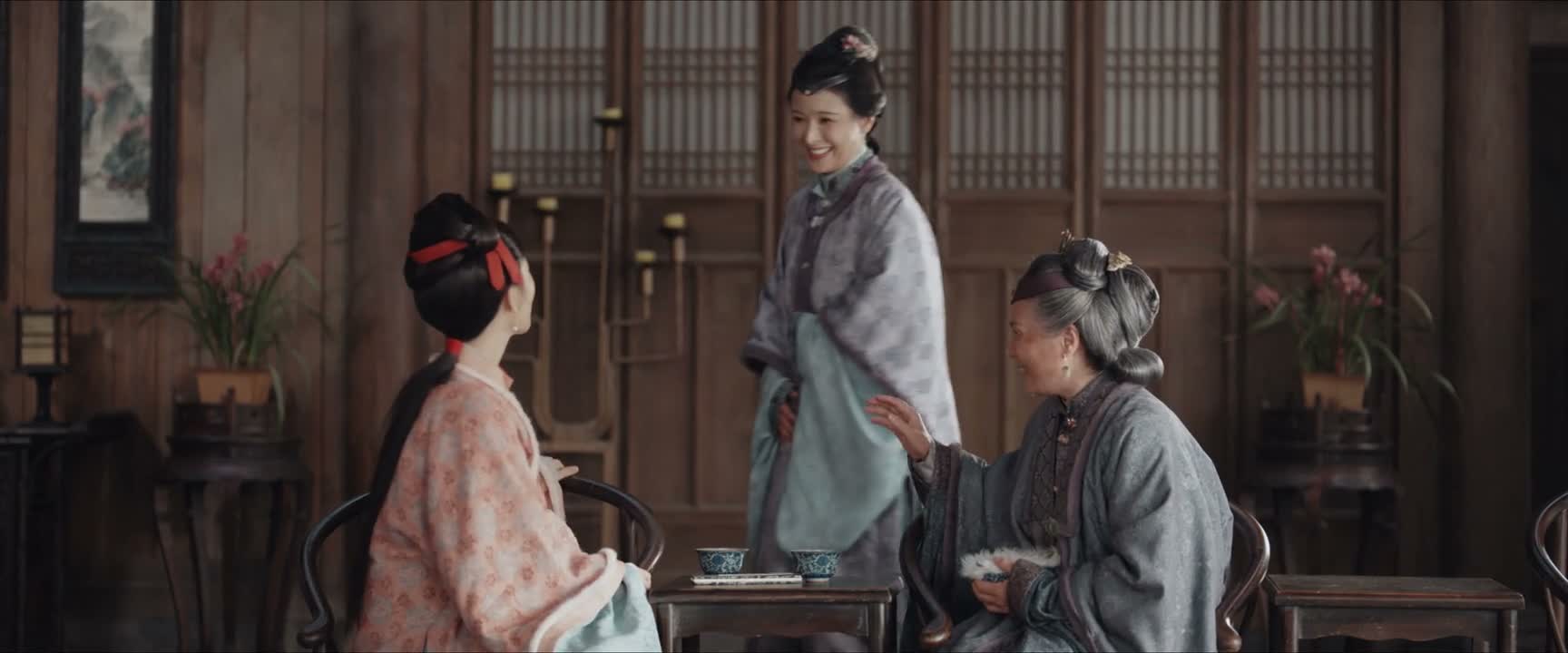
“Don't worry, Eldest Aunt. Take your time.”
“It was my fault. I made a mistake.”