它到点了怎么还不上车 要比赛了呀
“It's time! Why haven't you gotten on the bus? The match is about to start!”
THE DIALOGUE REEL
有道理 我去告诉钱主任
“You've got a point. I'll go tell Director Qian.”
它 到点了 怎么还不上车 要 比赛 了 呀
“It's time! Why haven't you gotten on the bus? The match is about to start!”
钱主任是这样的 文成业突然有事不来了
“Director Qian, here's the thing. Wen Chengye got held up and couldn't make it.”
“Where on earth is he? We cannot afford to be late for this match!”
Using '它' (or spoken 'tā') colloquially in moments of flustered annoyance can reflect heightened exasperation over an unaccounted-for individual or schedule disruption.
LEARNING CHUNKS & PARTICLES
time is up; it's time (for a scheduled event)
Extremely frequent everyday phrase used to announce that an appointed time, such as departure, meeting start, or mealtime, has arrived.
to board a vehicle/bus
Standard phrase for boarding transport; also metaphorically used online to mean hopping onto an opportunity or trend.
Softens the urgent exclamation while amplifying emotional insistence and concern.
Signals an imminent change of state combined with '要' (about to start).
VOCABULARY & EXPRESSIONS
Parallel Spoken Cinema Scenes (语义近邻切片)

“I’m about to miss the bus. I’m leaving. Where are you going?”

“even miss the bus in the end.”

“Mr. Xiao, didn't you say you'd get off later?”

“anytime soon.”
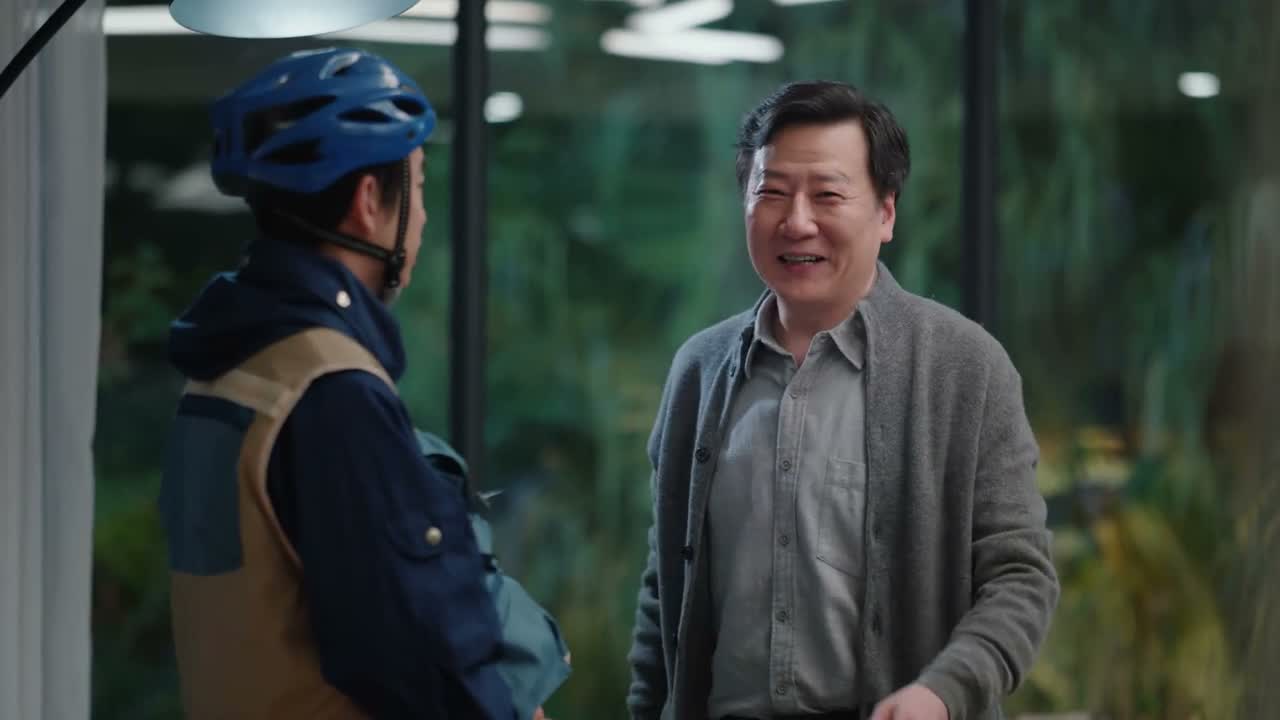
“Well... It's late. We shouldn't keep the driver waiting, right?”

“It's late. There are no buses now.”