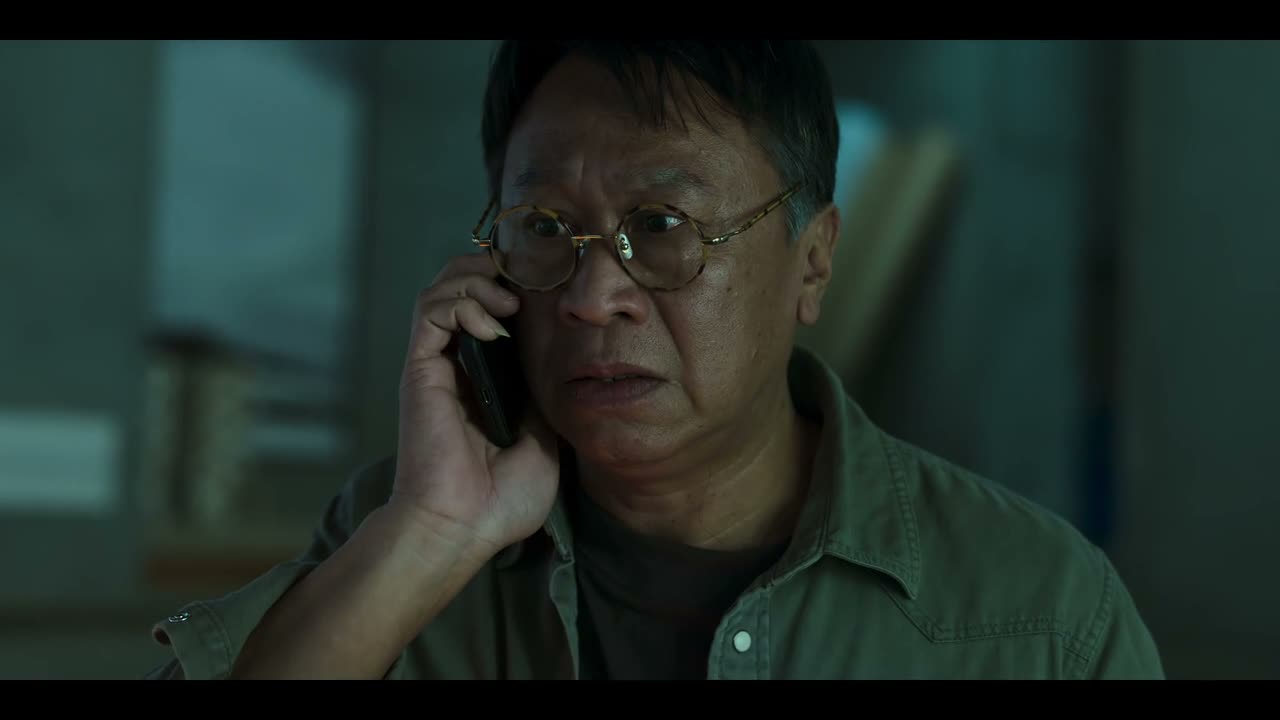
这个 太晚了也别让人司机久等是吧
“Well... It's late. We shouldn't keep the driver waiting, right?”
THE DIALOGUE REEL
“Mr. Pei. Thank you for bringing Wan home.”
这个 太晚了 也别让人司机 久等 是吧
“Well... It's late. We shouldn't keep the driver waiting, right?”
“It's fine. I drove myself. You drove yourself?”
“It is time for you to go home now.”
Using a third party like a driver or taxi meter to end an encounter allows the host to see off a guest while maintaining face and courtesy.
LEARNING CHUNKS & PARTICLES
it is too late
A standard and polite pretext used in Chinese to bring social interactions to an end.
don't make someone wait for long
Common courtesy phrase used to encourage prompt departure out of consideration for a third party.
Marks the current late hour as a new development requiring action.
Softens the indirect request into a gentle suggestion seeking consensus.
VOCABULARY & EXPRESSIONS
Parallel Spoken Cinema Scenes (语义近邻切片)
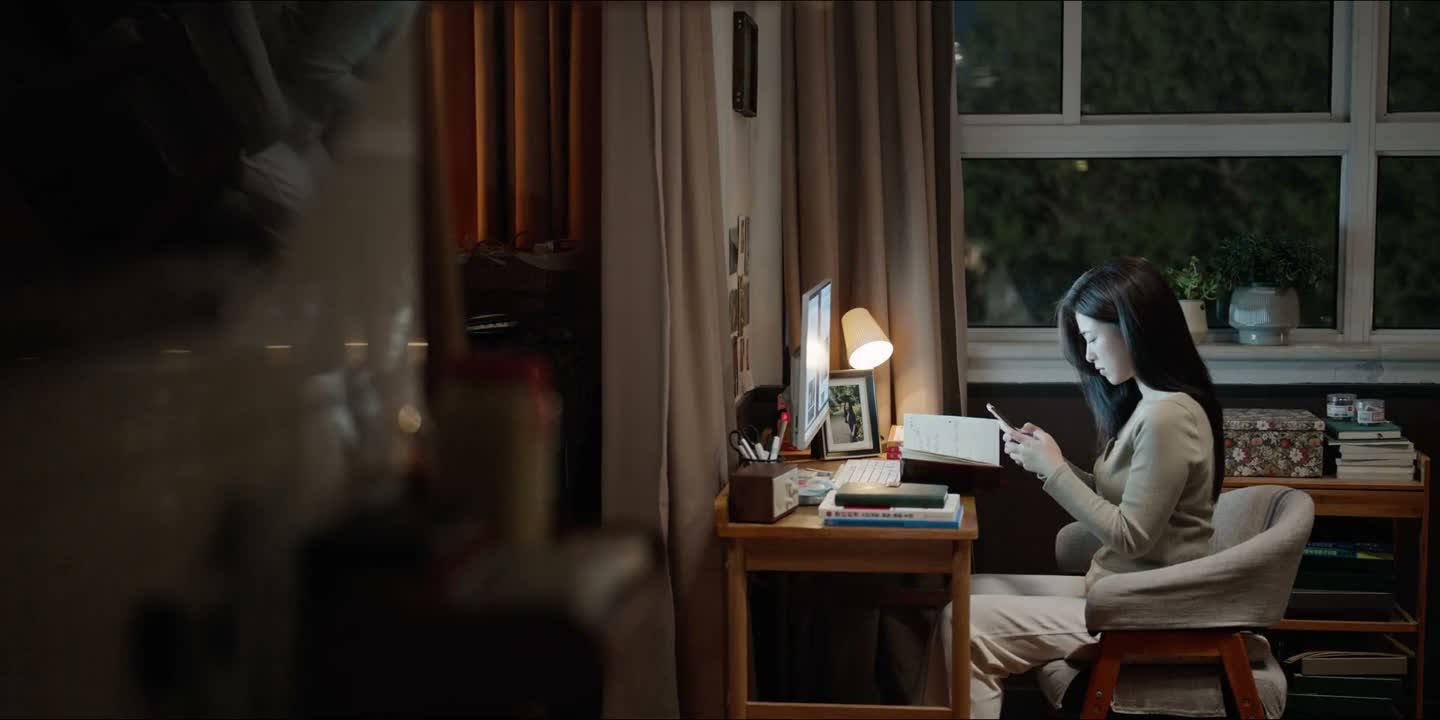
“[It's too late. Let's do it another day.] [Xu Miyu]”
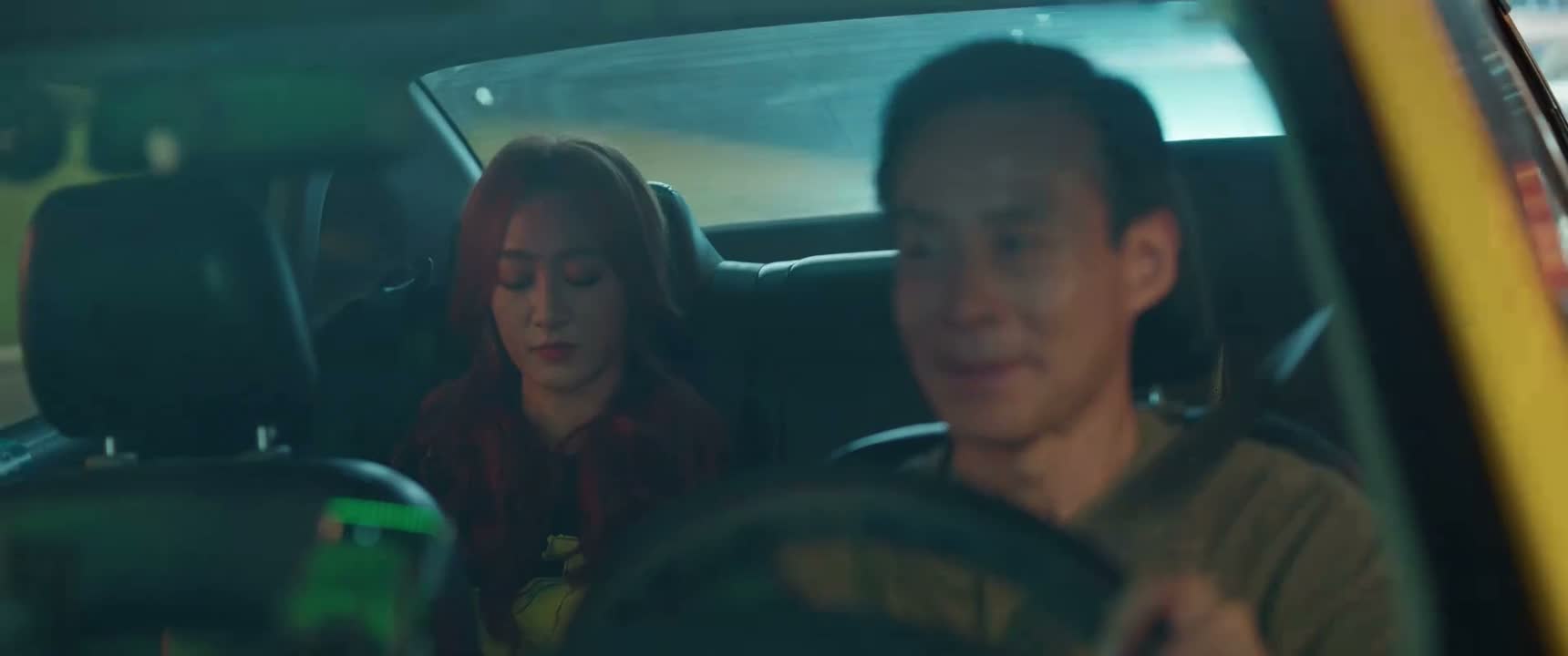
“Sir, you're still driving this late?”
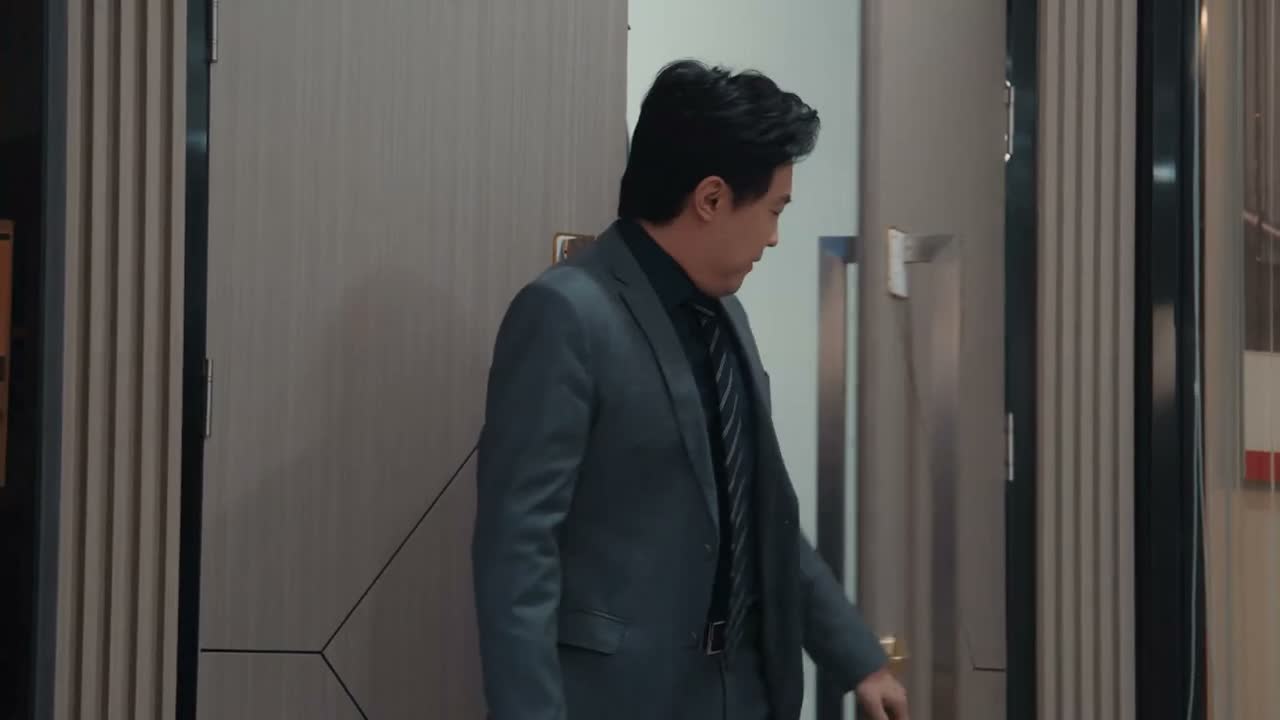
“Why are you still here so late?”
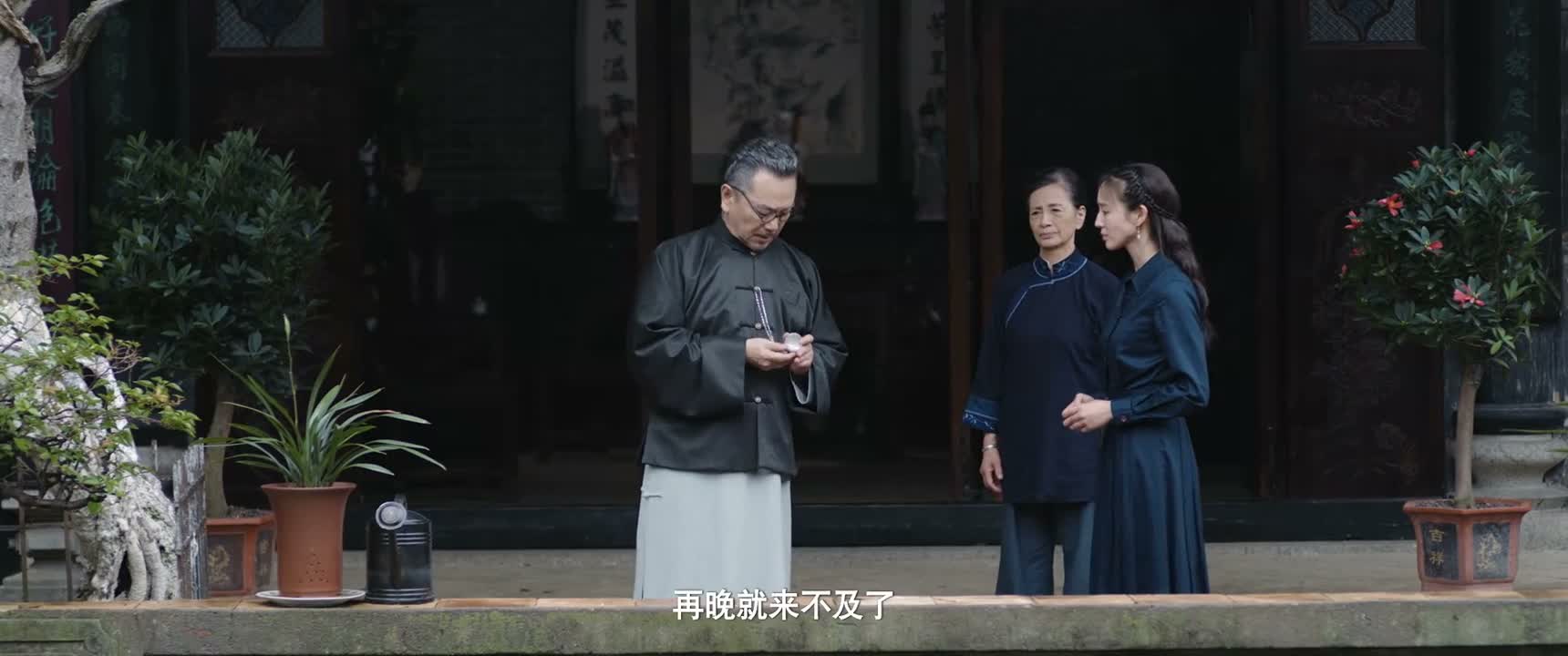
“Any later and it'll be too late.”
“Go now, or it will be too late.”

“Mr. Xiao, didn't you say you'd get off later?”