你说咱俩找一个属于自己的桌子 咋就这么难呢
“Why is it so hard for us to get a desk?”
THE DIALOGUE REEL
搁哪儿呀 搁哪儿也放不下呀
“Where would we put it? There's no room anywhere.”
你说 咱俩找一个 属于自己的 桌子 咋就 这么难呢
“Why is it so hard for us to get a desk?”
你想要张桌子呀
“You want a desk?”
“Our life is so tight right now; it hurts that we can't even afford space for a desk.”
Young couples in Chinese tier-one cities often live in tiny rented rooms where even having a private desk represents a hard-to-reach luxury and a milestone toward stability.
LEARNING CHUNKS & PARTICLES
one's very own; belonging to oneself
Carries deep emotional weight when talking about home, possessions, or a sense of belonging in a big city.
why on earth is it so hard?
A typical Northern colloquial pattern used to voice bewilderment and helplessness regarding life's difficulties.
Softens the rhetorical query, drawing the listener in to share the brooding, reflective mood.
VOCABULARY & EXPRESSIONS
Parallel Spoken Cinema Scenes (语义近邻切片)

“Why fuss over a table?”
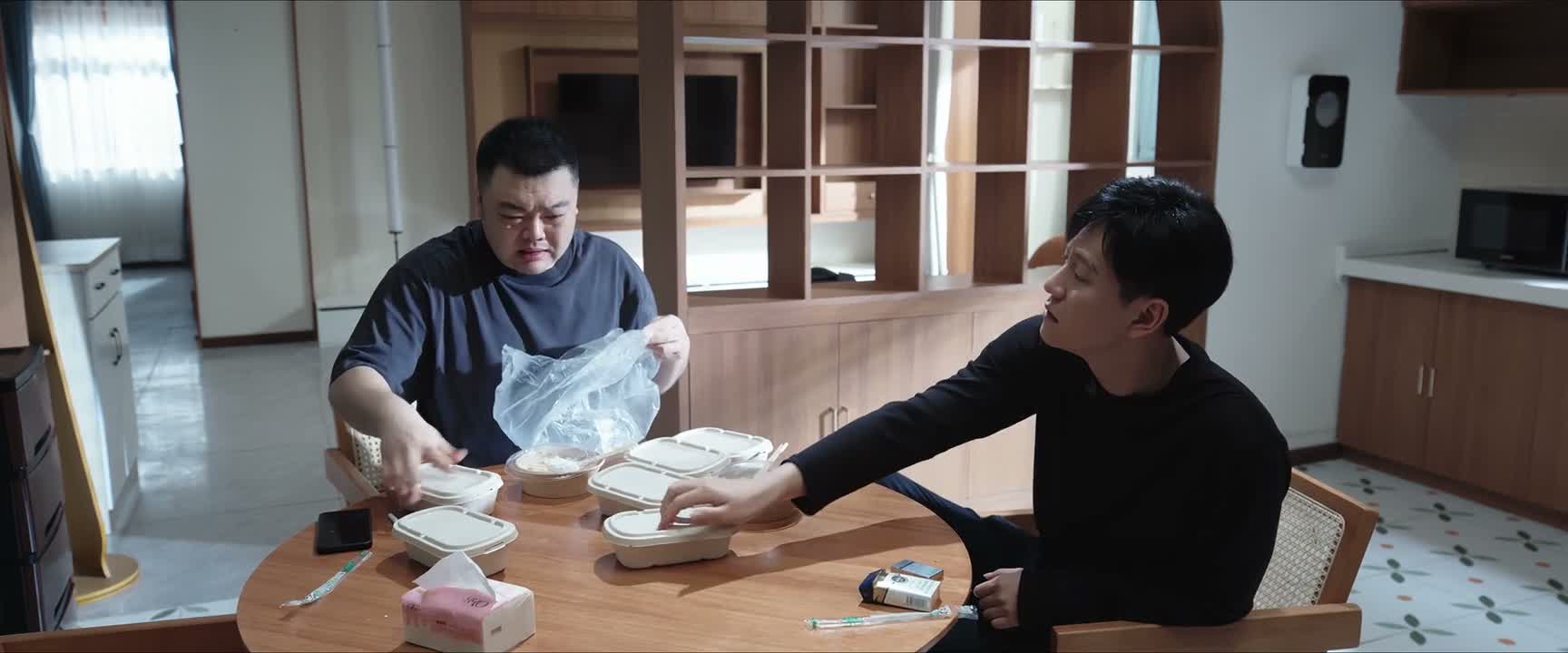
“we just can't stand messy tables. Drives me crazy, you know?”

“You said you needed a table to host your guests. I don't care about the numbers, but not a single person showed up?”

“There's no big deal about this. You don't marry a guy for his cooking.”
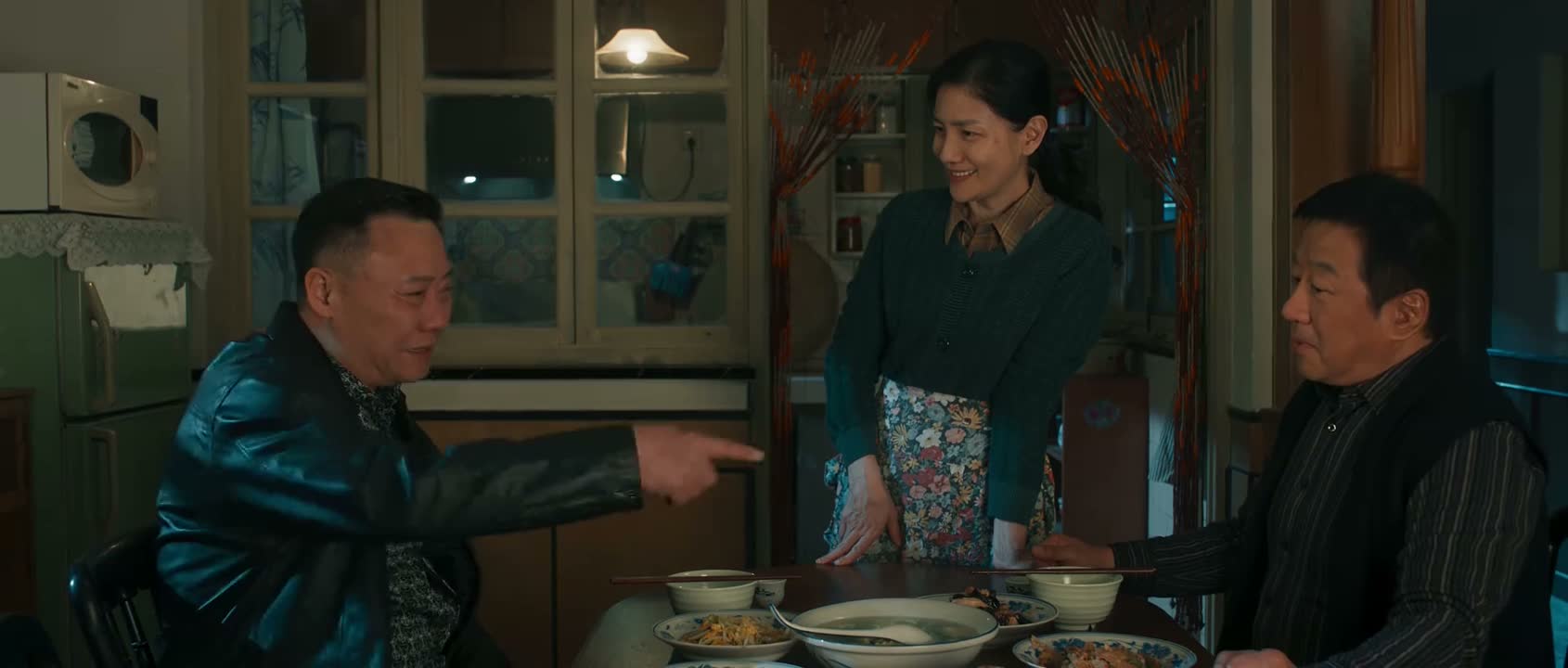
“How could she sit at the same table as us?”

“Ms. Lin, should we move to another table?”