就是秽乱宫闱的乱臣贼子
“[Qingyuan Palace] I'd have been labeled a traitor who defiled the harem,”
THE DIALOGUE REEL
“If I hadn't made a sacrifice to save myself, [Qingyuan Palace]”
就是 秽乱宫闱的 乱臣贼子
“[Qingyuan Palace] I'd have been labeled a traitor who defiled the harem,”
我魏家
“and the entire Wei clan”
“I had no choice but to sacrifice others to save our family from being branded traitors.”
In imperial China, accusations of treason or palace scandals led to the total execution of one's entire clan, making survival by any means necessary.
LEARNING CHUNKS & PARTICLES
traitors and scoundrels; treacherous officials
An idiomatic historical epithet used to condemn political traitors or mutineers.
defiling or bringing scandal to the imperial court
A grave traditional accusation implying sexual or moral corruption inside the imperial palace.
VOCABULARY & EXPRESSIONS
Parallel Spoken Cinema Scenes (语义近邻切片)
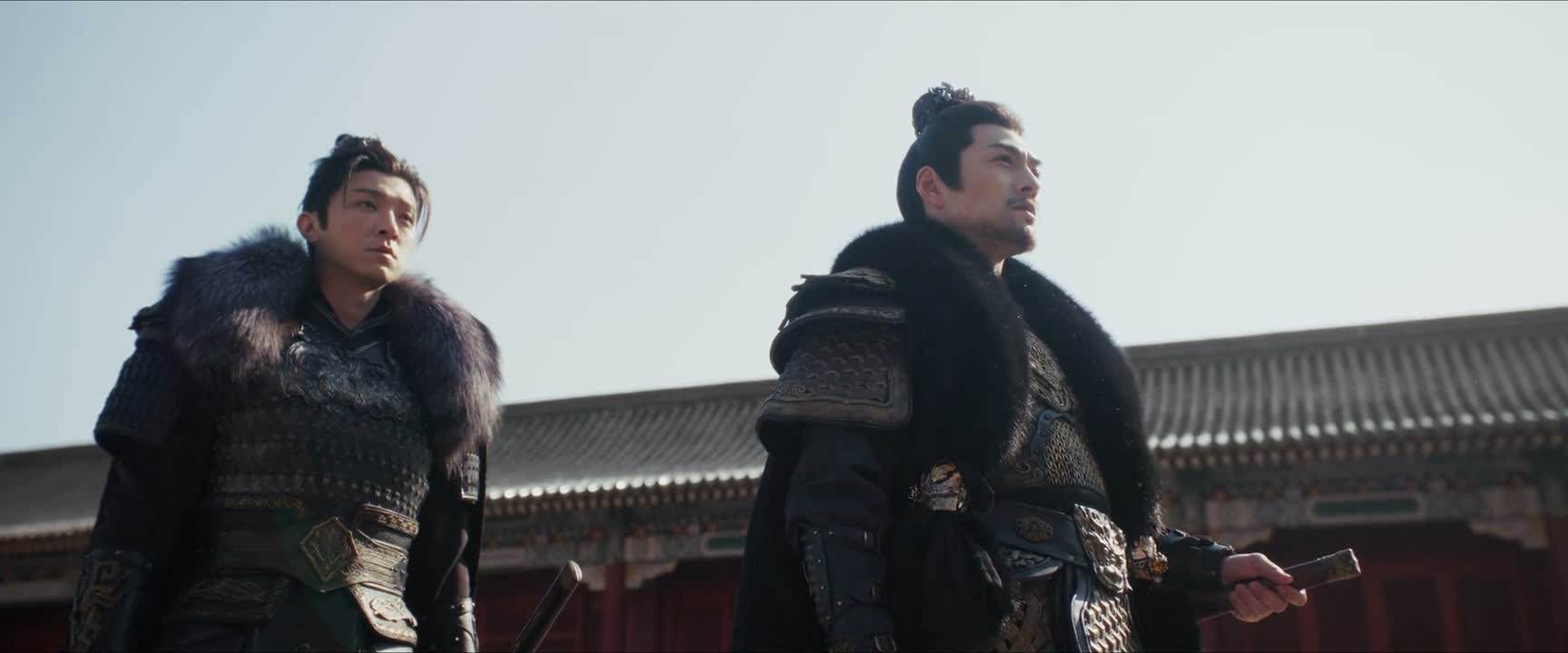
“Such traitors”
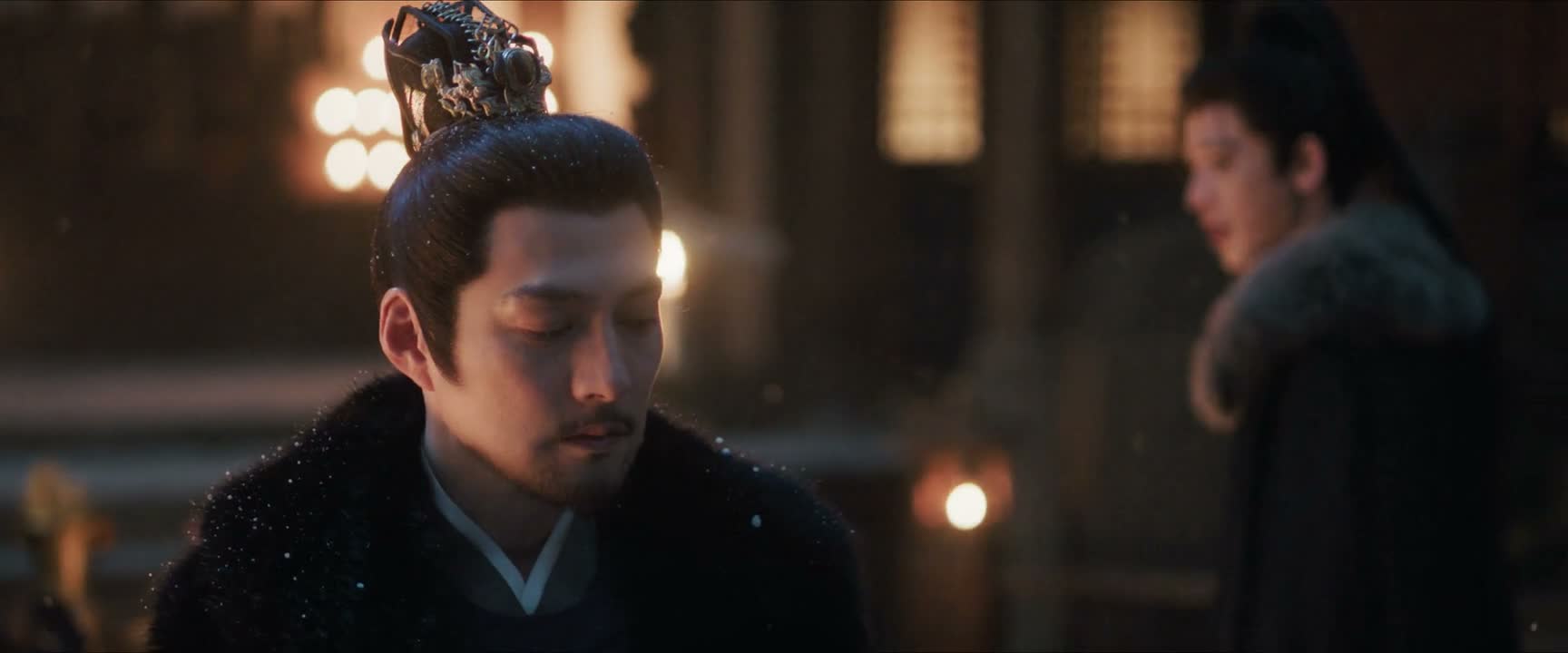
“the one sullying the clans' reputation”

“that it was all your doing—that you seized a maid, defiled the imperial harem,”

“you violated the Decrees, disrupted the Void, and plagued the Mortal World.”