可以了 辛苦 请坐
“That's all, thank you. Please sit down.”
THE DIALOGUE REEL
刚刚好 身高也差不多
“It's just right. Her height is the same as hers too.”
可以了 辛苦 请坐
“That's all, thank you. Please sit down.”
你刚才说你愿意 去挑战一些角色 对不对
“You said you are willing to take roles that are challenging, right?”
Direct spoken expression in this communicative setting.
Saying '辛苦' (xīn kǔ) functions as an essential social lubricator in Chinese professional contexts to acknowledge effort and maintain pleasant relations.
LEARNING CHUNKS & PARTICLES
that's enough / that will do
Commonly used to signal the end of an action, performance, or demonstration.
thank you for your hard work / thanks for your effort
A polite courtesy formula used to acknowledge someone's effort or performance.
please take a seat
Standard polite formula to offer someone a seat in formal or professional settings.
Marks a change of state, indicating that the preceding action has reached a sufficient point and can end.
VOCABULARY & EXPRESSIONS
Parallel Spoken Cinema Scenes (语义近邻切片)

“Okay. Thank you for your hard work. Alright. Thank you, Mr. Xiao. Thanks.”

“That's enough. That's enough. Let me fill your glass. Here,”
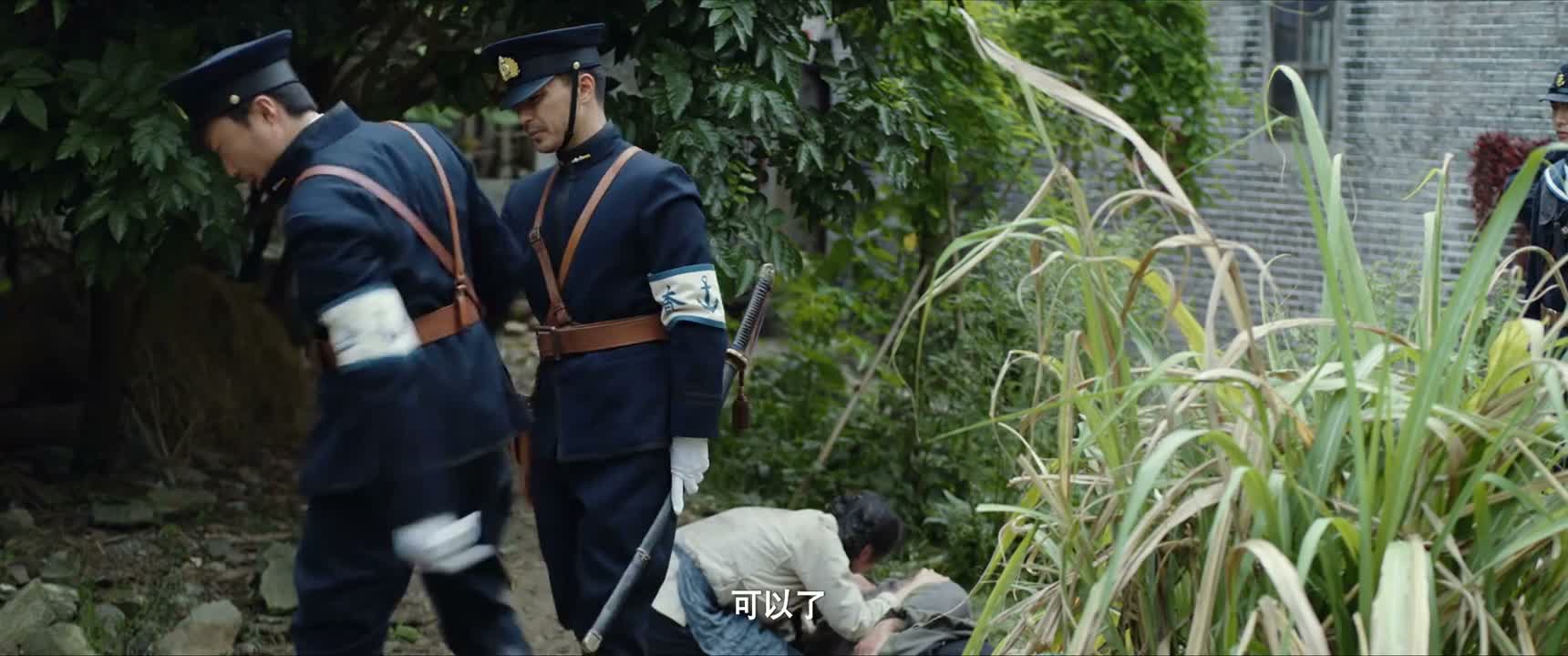
“Enough.”

“Thank you. You've worked hard.”

“as her aunt, why couldn't I?”

“Alright. Thanks, everyone. That's all for today.”