高主任答应你了 没有
“Did Mr. Gao say yes? No.”
THE DIALOGUE REEL
谢谢高主任
“Thank you, Mr. Gao.”
高 主任 答应你 了 没有
“Did Mr. Gao say yes? No.”
“Then what are you thanking him for? Mr. Gao encouraged me.”
“Wait, did he actually say yes, or did you just thank him without getting a real answer?”
In Chinese work units, superiors frequently give polite encouragement without making formal commitments; seasoned colleagues often distinguish between mere polite encouragement and explicit agreement.
LEARNING CHUNKS & PARTICLES
agree to / give one's word
Commonly used when an authority figure or acquaintance grants a request or commits to helping.
Marks the completion of the action of agreeing in the past.
VOCABULARY & EXPRESSIONS
Parallel Spoken Cinema Scenes (语义近邻切片)

“Director Gao, you read my mind.”

“Director Gao, there's no need to deliberate.”
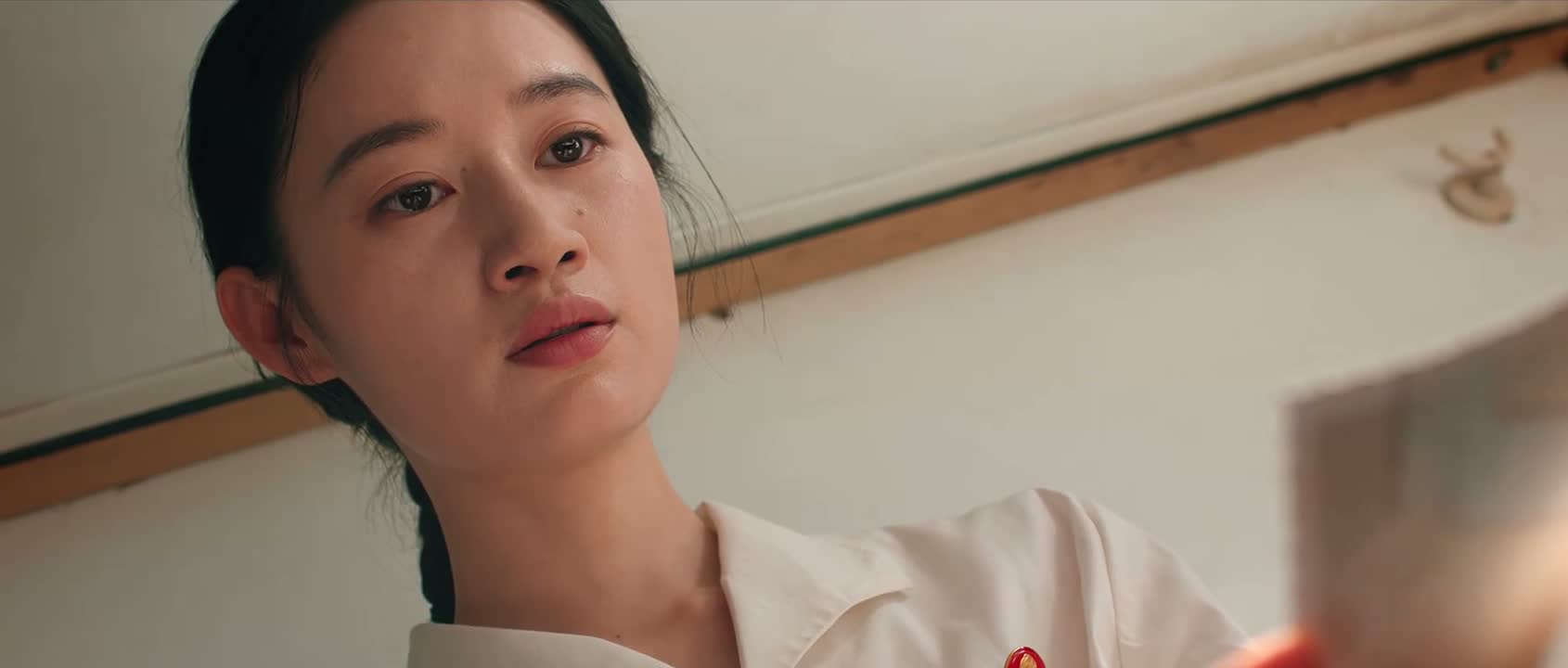
“(Director Wu, I've made up my mind.)”

“Don't worry, Ms. Xu. I will never give up halfway.”

“Director Guan, you've probably wanted to ask this for a long time, right?”

“Thank you, Director Jin. Thank you.”