有劳太傅担了罪名
“for the loss of Wangcheng.”
THE DIALOGUE REEL
望城失守一事
“You took the blame”
有劳 太 傅担 了 罪名
“for the loss of Wangcheng.”
朔漠的消息是我派人放的 梁蔷的倒戈
“I sent the message to the Northern Desert and I asked Liang Qiang to defect.”
“Thank you for falling on your sword politically so my covert schemes could succeed.”
In dynastic factional struggles, senior allies frequently take formal responsibility for disasters to shield the core conspirator and preserve greater political leverage.
LEARNING CHUNKS & PARTICLES
much obliged / sorry to trouble you
A polite, classical phrase used when thanking someone for undertaking an arduous or burdensome task on one's behalf.
to shoulder the blame / take the fall
Used in historical and formal modern contexts when someone assumes official or legal responsibility for a crime or failure.
Indicates the completion of the action of taking on the blame.
VOCABULARY & EXPRESSIONS
Parallel Spoken Cinema Scenes (语义近邻切片)

“But you're wrong about one thing.”
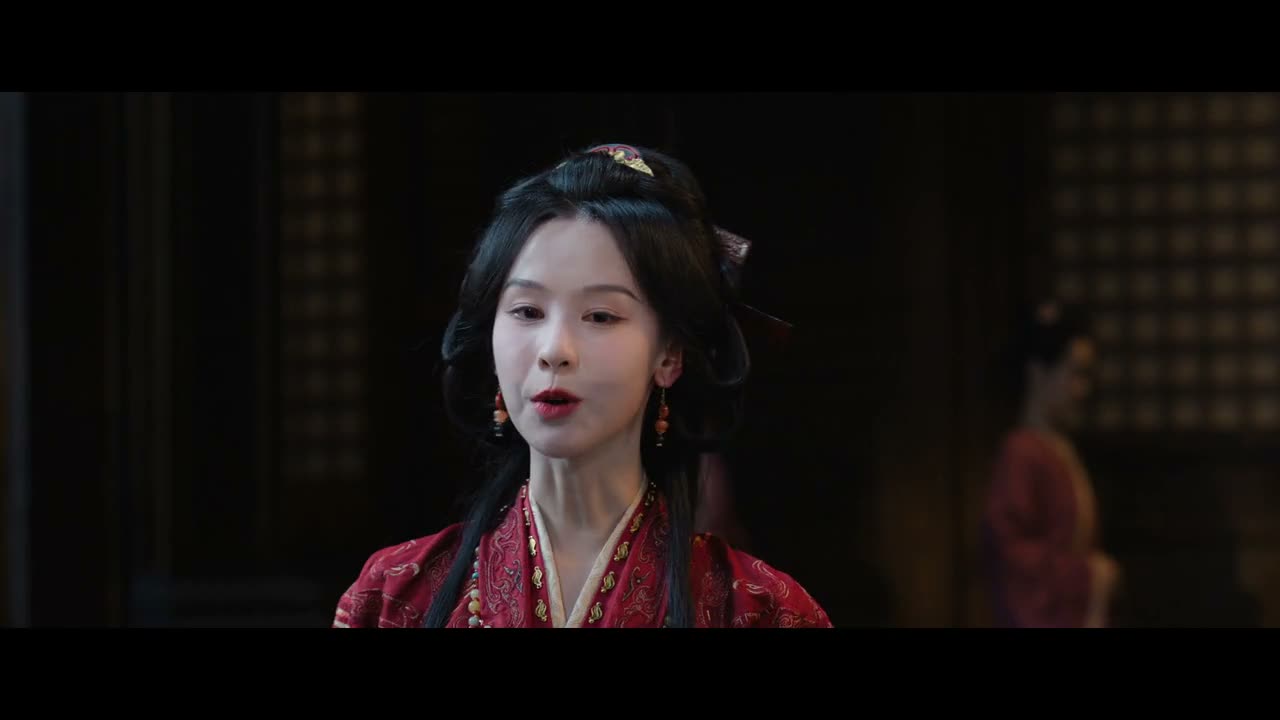
“How could I not reward you?”

“Mr. Deng will certainly weaponize my unauthorized absence against you,”
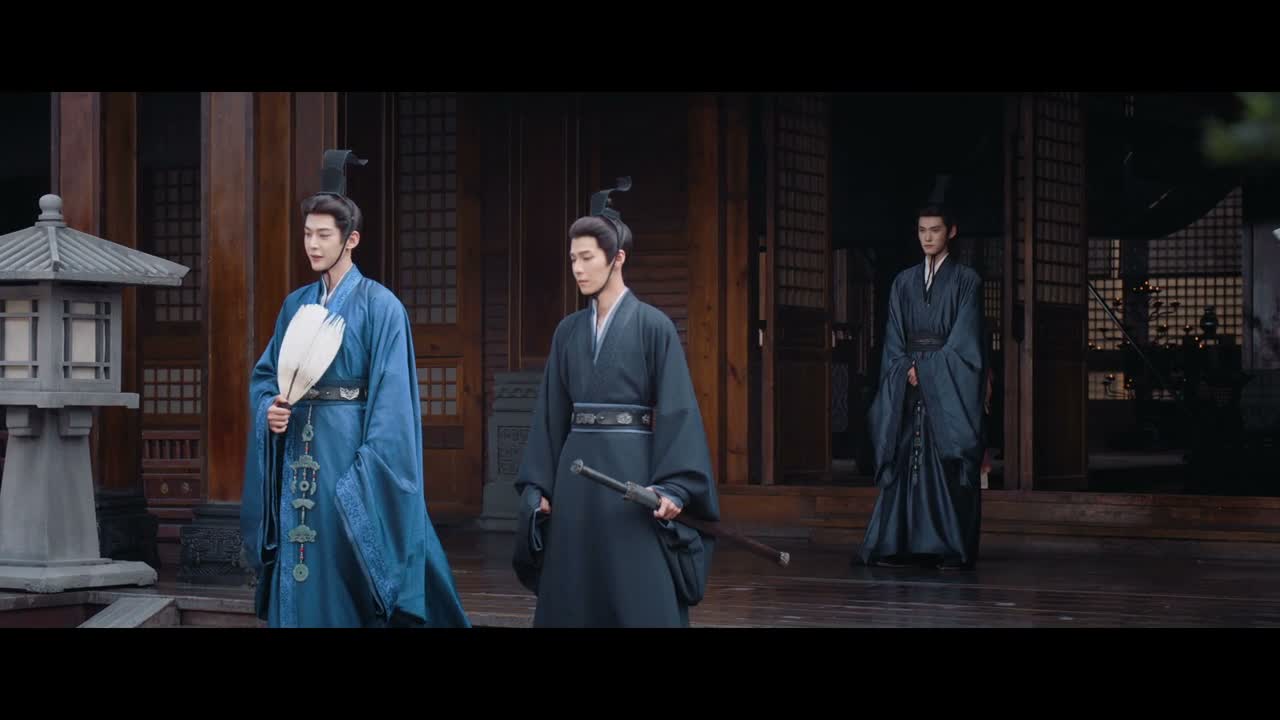
“Mr. Deng, you're pretty bold.”
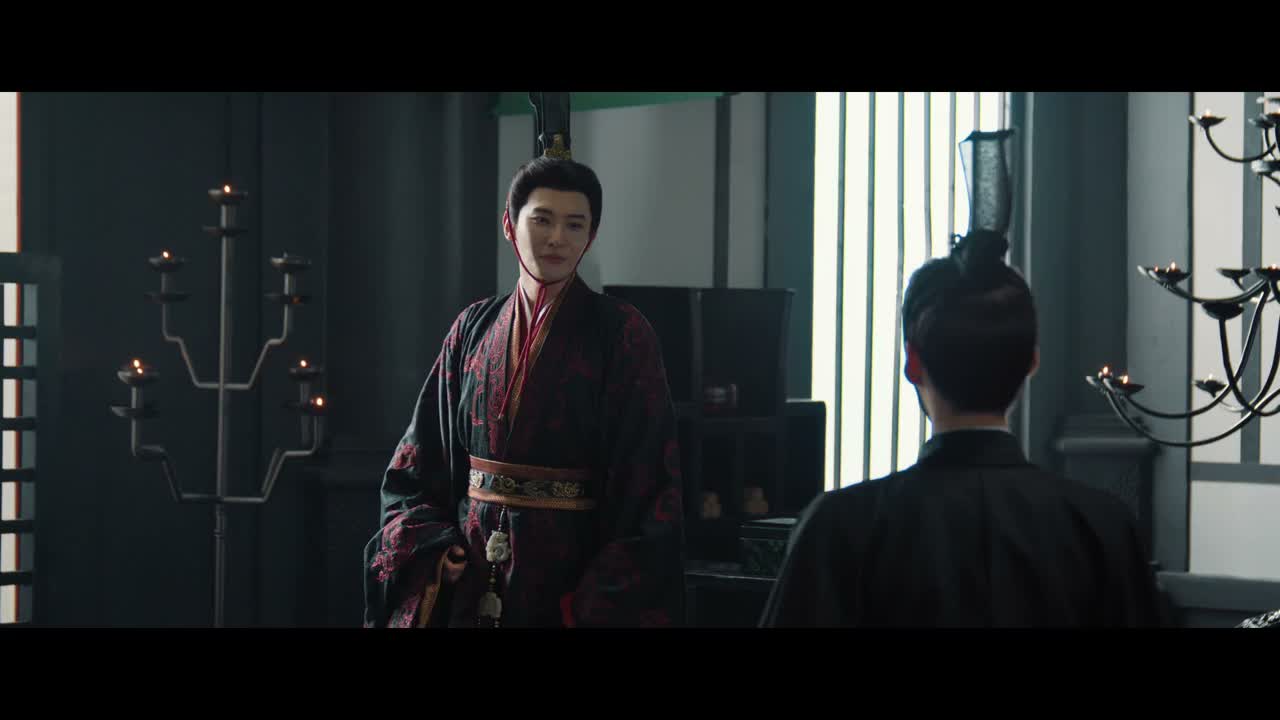
“Mr. Deng, what brings you here?”

“I'm very pleased”