敢向自己的生父亮刃
“Who'd draw a blade at their father?”
THE DIALOGUE REEL
什么狗屁女侠
“What nonsense.”
敢向 自己的 生父 亮刃
“Who'd draw a blade at their father?”
Direct spoken expression in this communicative setting.
In Confucian culture, turning a weapon on one's own biological parent is viewed as the ultimate moral atrocity, justifying severe social and moral condemnation.
LEARNING CHUNKS & PARTICLES
to draw a blade; to reveal a weapon
A dramatic, martial arts or classical phrasing used metaphorically or literally for turning hostile and initiating armed violence.
biological father
Used in formal, legal, or dramatic storytelling contexts to distinguish biological parentage from adoptive or foster relations.
VOCABULARY & EXPRESSIONS
Parallel Spoken Cinema Scenes (语义近邻切片)

“♪ All people ♪ I will use my father's swordsmanship”
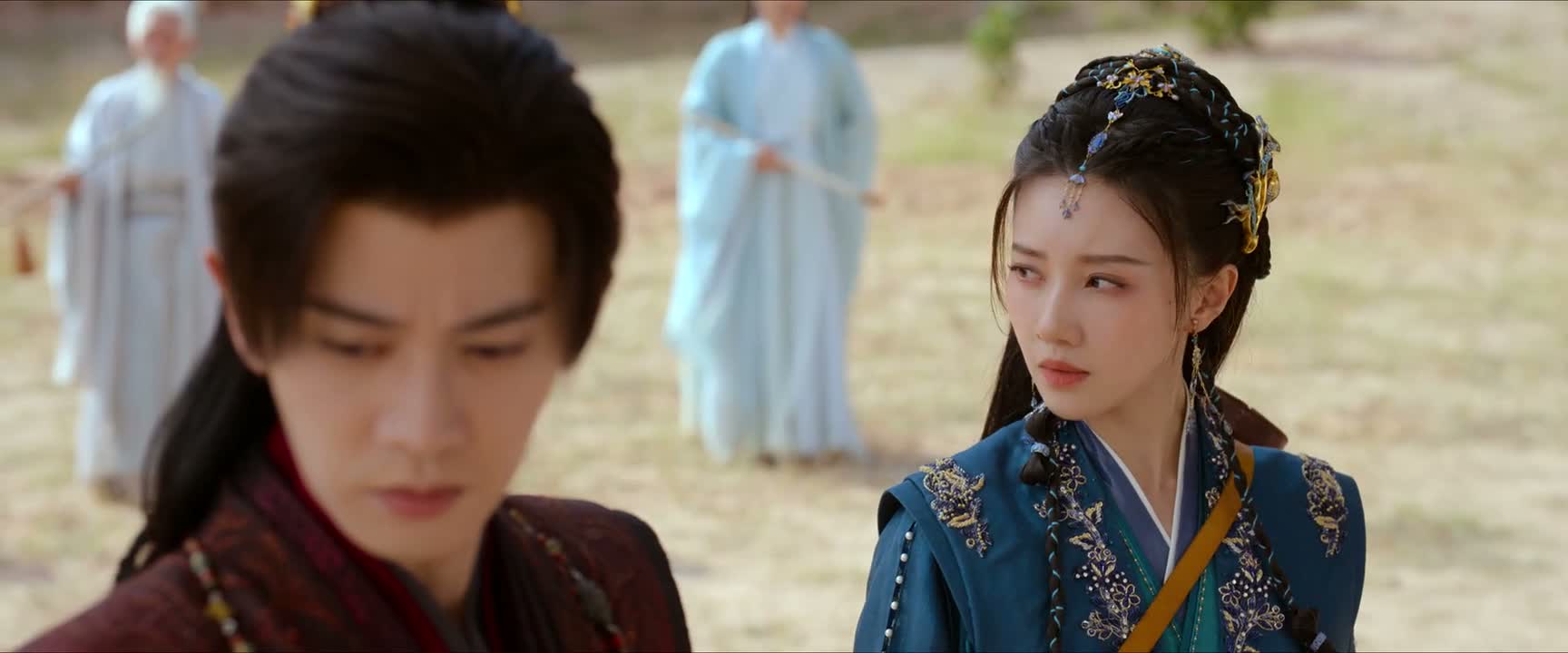
“If it weren't for my father's order to kill you,”

“She's the one who killed him. Don't you want revenge for him?”

“I don't deserve to be my father's disciple.”
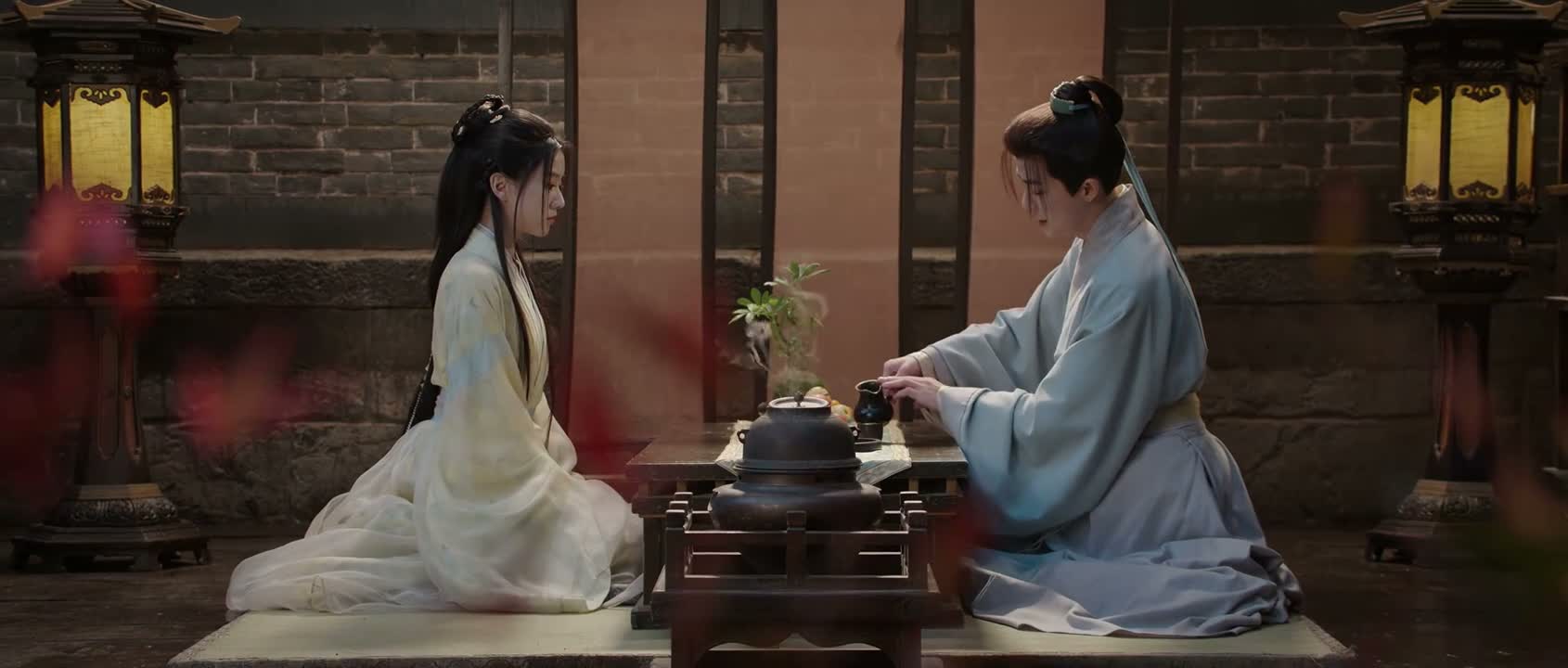
“Father's focused on developing weapons”

“You'd even kill your own son.”