可你这也太直来直去了 我都不知道怎么接了
“But you're way too direct. I don't know how to respond.”
THE DIALOGUE REEL
更喜欢直来直去
“That's why I prefer being direct.”
可你这 也太 直来直去 了 我都不知道 怎么 接 了
“But you're way too direct. I don't know how to respond.”
“That's what I like about you.”
“You caught me totally off guard with your directness, and it's making me blush.”
Chinese interpersonal communication is traditionally high-context and indirect; extreme bluntness ('直来直去') can feel disarming, refreshing, or delightfully provocative in romantic banter.
LEARNING CHUNKS & PARTICLES
straightforward / blunt / candid
Used to describe a personality or communication style that completely lacks pretension or indirectness.
don't know how to follow up / at a loss for words
A common conversational phrase indicating someone said something so shocking or direct that finding a reply is difficult.
Conveys the current state of reaching a communicative impasse and softens the blunt remark.
VOCABULARY & EXPRESSIONS
Parallel Spoken Cinema Scenes (语义近邻切片)
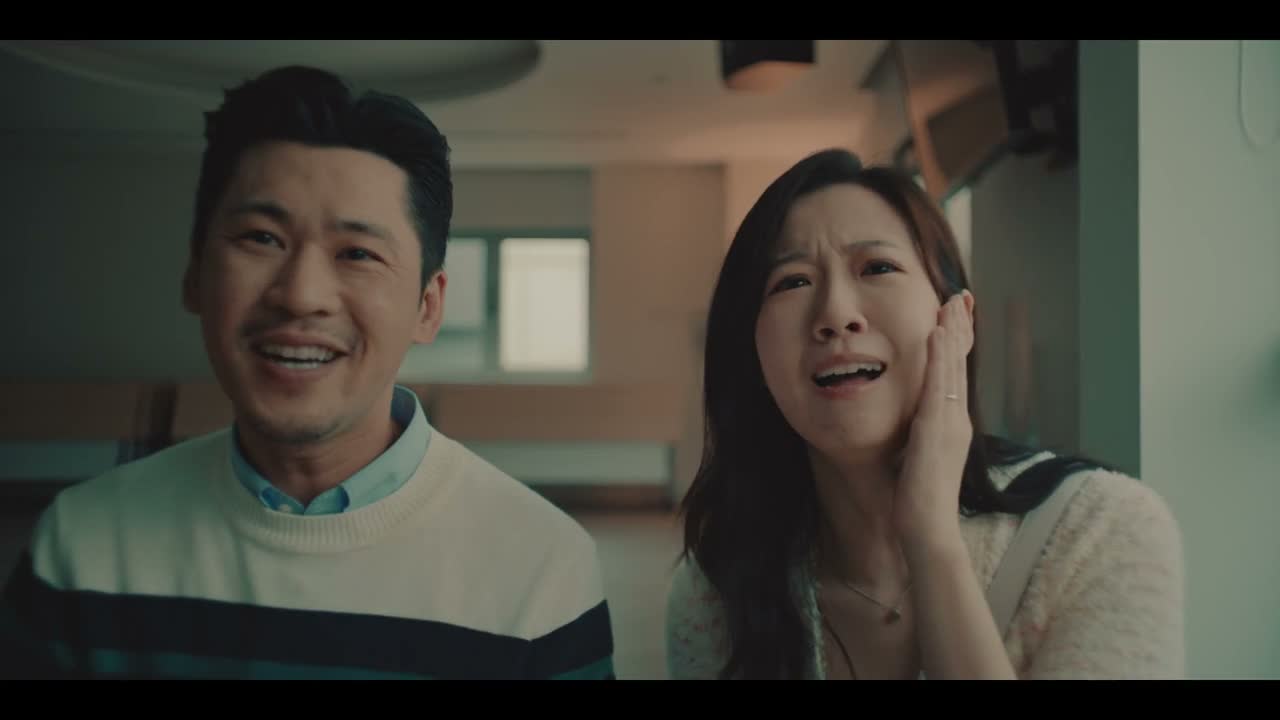
“You two are making this very hard for me to continue.”

“I honestly can't keep up with your performance. Let's call it a day.”