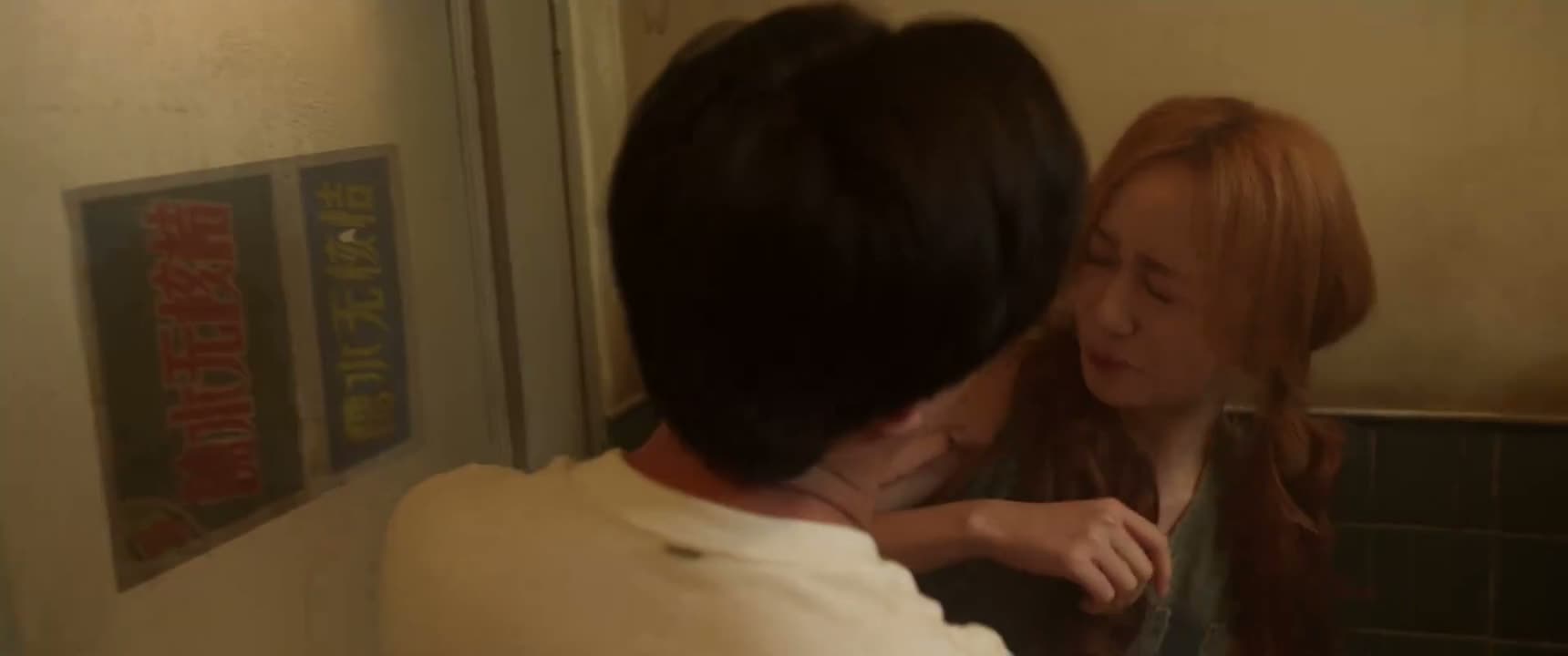
你是不是有病啊 你让她来啊 你刚才同意的呀
“What's your problem? You asked she to come here? You agreed.”
THE DIALOGUE REEL
你疯了吧你
“Are you crazy?”
你 是不是有病 啊 你 让她 来啊 你刚才 同意 的呀
“What's your problem? You asked she to come here? You agreed.”
玩过吗
“Have you taken it before?”
“Stop being erratic and honor what you just agreed to do!”
Blunt rhetorical insults like 'Are you sick?' (你是不是有病) are common in informal, heated arguments among peers when someone abruptly violates mutual consent.
LEARNING CHUNKS & PARTICLES
crazy / out of one's mind
A blunt, highly colloquial insult used to call out unreasonable, erratic, or unacceptable behavior.
just now / a moment ago
Used as a time adverbial to emphasize immediacy and recent contradictions.
Heightens emotional intensity and rhetorical force in an angry question.
Softened form of 'a' after the vowel 'e', adding an insistent, reminding tone.
VOCABULARY & EXPRESSIONS
Parallel Spoken Cinema Scenes (语义近邻切片)

“Are you insane? Yes.”

“Are you crazy? Why are you embarrassing yourself and me here?”

“Are you out of your mind?”

“What's wrong with you?”

“Are you out of your mind?”
“Are you out of your mind?”