你是不是有病啊 在这儿丢人现眼干什么
“Are you crazy? Why are you embarrassing yourself and me here?”
THE DIALOGUE REEL
可是他不止一次 在外面找女人哪
“[Chairman's Office] But he has had affairs more than once.”
你 是不是有病 啊 在这 儿 丢人现眼 干什么
“Are you crazy? Why are you embarrassing yourself and me here?”
赶紧走 走走走 你才有病呢 我告诉你 我今天来
“Leave! Hurry! You are crazy! Listen. I'm here today”
“Stop making a scene and embarrassing us in front of strangers!”
Causing an emotional or disruptive scene in public is strongly taboo in Chinese society, as maintaining exterior family harmony and public face often overrides private grievances.
LEARNING CHUNKS & PARTICLES
out of one's mind / crazy
A sharp colloquial insult literally meaning 'sick', used to express severe annoyance at someone's unreasonable behavior.
making a fool of oneself in public
A set idiomatic phrase criticizing actions that cause public embarrassment and loss of face.
Heightens the rhetorical sharpness and emotional exasperation of the rhetorical question.
VOCABULARY & EXPRESSIONS
Parallel Spoken Cinema Scenes (语义近邻切片)

“Are you insane? Yes.”

“What's your problem? You asked she to come here? You agreed.”
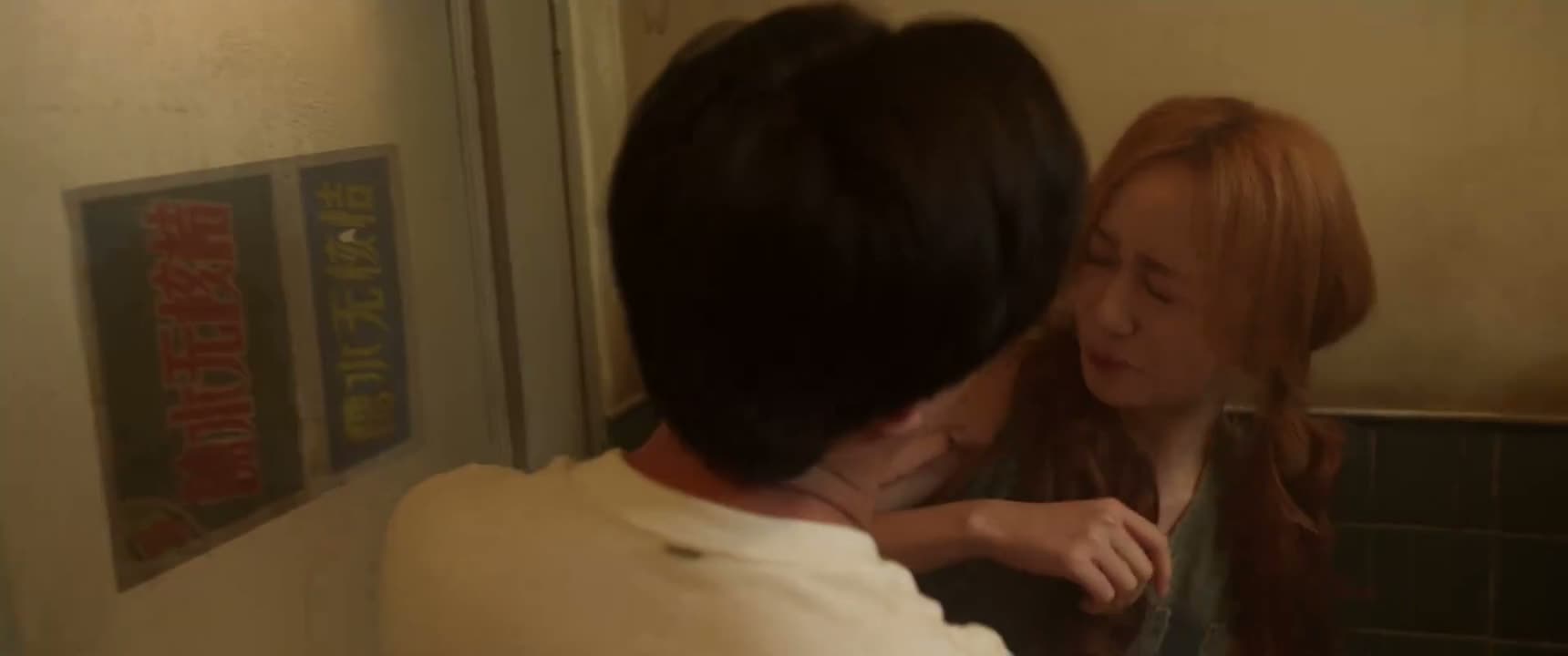
“Are you out of your mind?”

“Are you out of your mind?”
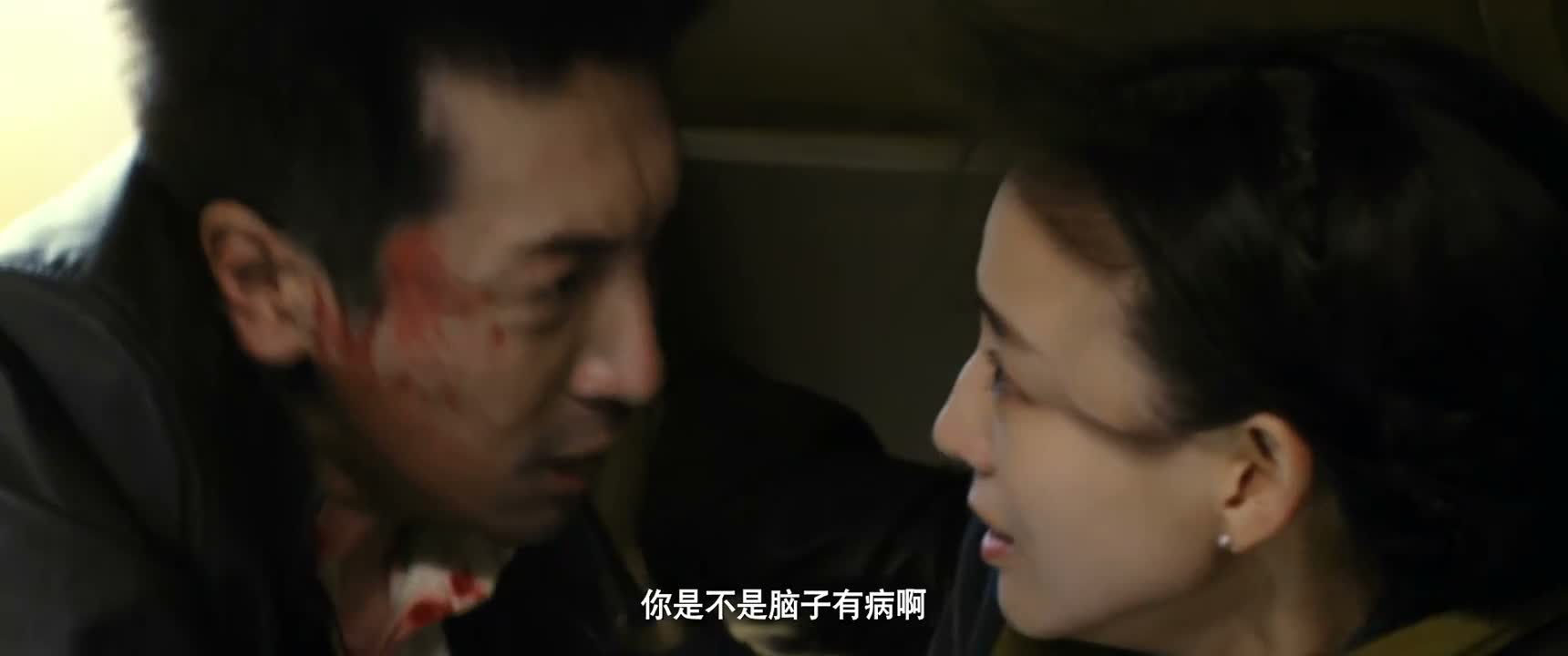
“Are you out of your mind?”

“Is there something wrong with you? I fancy you.”