行行行 谁反悔了 没你
“Come on. I've never gone back on my word. But you...”
THE DIALOGUE REEL
我没想通呢 哪有这样的 你这还带反悔的呀
“I haven't made up my mind. How could you do this? How could you go back on your word?”
行行行 谁 反悔 了 没你
“Come on. I've never gone back on my word. But you...”
来 赶紧吃
“Come. Let's eat.”
“Stop complaining, nobody is cheating you, just drop it and eat.”
In Chinese culture, arguments are often quickly suppressed or deflected with food ('赶紧吃') to preserve communal harmony during meals.
LEARNING CHUNKS & PARTICLES
alright, alright; okay, stop it
Rapid repetition used to cut off someone's whining or nitpicking.
to go back on one's word; to renege
Used in casual agreements or playful bets when one party changes their mind.
Indicates completion in the rhetorical question 'who backed out?' emphasizing that no violation occurred.
VOCABULARY & EXPRESSIONS
Parallel Spoken Cinema Scenes (语义近邻切片)

“You backed out without warning.”

“OK, I'm wrong. I'm wrong. OK?”

“Fine, fine. I can't get you to work.”

“Yeah, yeah. Save it.”
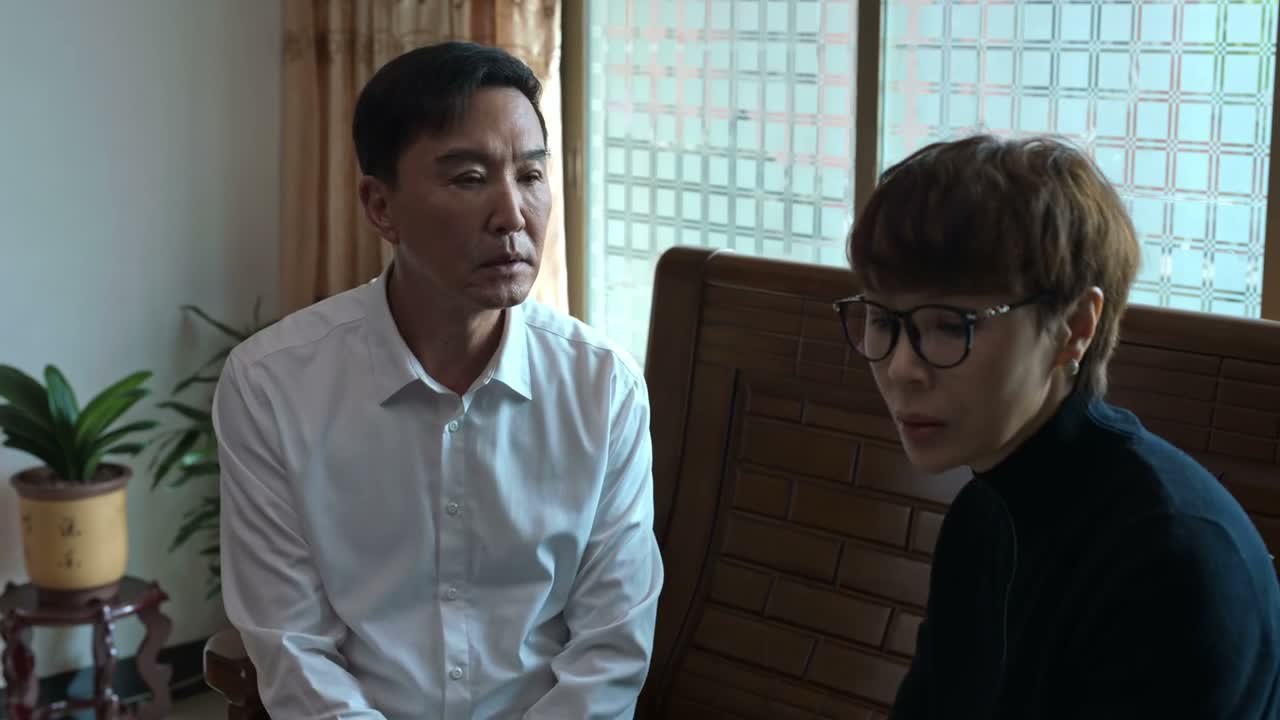
“OK. I was wrong.”

“Alright. You two, stop making wild suggestions.”