MC
MandarinClips Cinema Corpus
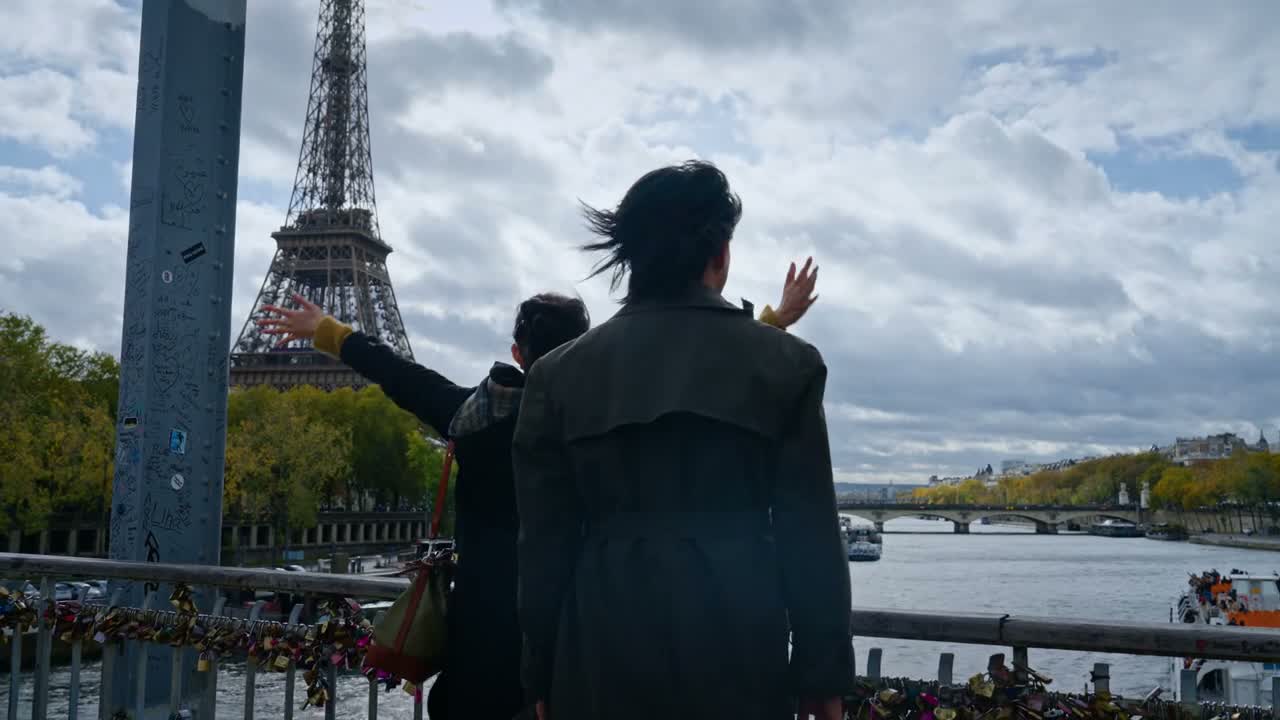
《Live up to Your Youth》 S1·E20 (40:57) HSK 3
wǒ fā xiàn wǒ hái tǐng xǐ huān nǐ de

我发现我还挺喜欢你的

“I found that I quite like you.”

《Live up to Your Youth》 S1·E20
TIMECODE: 40:57 · 1080P MASTER AUDIO

THE DIALOGUE REEL

1+1+1 SPOKEN CONTINUITY
[-1] PREVIOUS TURN wǒ shuō

我说

“I said,”

wǒ fā xiàn wǒ hái tǐng xǐ huān nǐ de CURRENT FOCUS

我发现 我 还挺 喜欢你 的

“I found that I quite like you.”

[+1] FOLLOW-UP TURN wǒ méi tīng qīng nǐ shuō shá

“I didn't hear what you said clearly.”

Subtitles synced to millisecond timecode Browse Show Clips →
Scene: Social & Dating
Function: CONFESSING FEELINGS
Tone: CASUAL, SINCERE, TEASING
Emotion: AFFECTION
WHAT THEY REALLY MEAN (PRAGMATIC SUBTEXT)

Direct spoken expression in this communicative setting.

💡 Cultural Insight: Casual Confession (Understated Affection)

Young Chinese speakers often frame emotional confessions using casual phrases like 'I realized' or 'quite like' to lower awkwardness and protect face if the feeling is unreciprocated.

INTENT TAGS: #confession #affection #testing_the_waters #casual
🧩

LEARNING CHUNKS & PARTICLES

2 CHUNKS · 1 PARTICLES
我发现 SPOKEN CHUNK

I've realized / I've noticed

A common conversational starter used to soften a personal revelation or observation.

挺喜欢 SPOKEN CHUNK

quite like / really like

Colloquial adverb used before verbs of emotion or adjectives to mean 'pretty' or 'quite'.

Modal Particle「的」 (de) CHANGE OF STATE

Used at the end of the clause to add an assertive, reassuring, and confident tone to the personal realization.

🏮

VOCABULARY & EXPRESSIONS

3 EXPR · 0 GRAMMAR
CROSS-CINEMA CORPUS BOARD · PARALLEL SCENES

Parallel Spoken Cinema Scenes (语义近邻切片)

EXPLORE BY SEMANTIC SIMILARITY
《Live up to Your Youth》 S1·E20 (40:57) · Authentic Cinema Dialogue Corpus