MC
MandarinClips Cinema Corpus
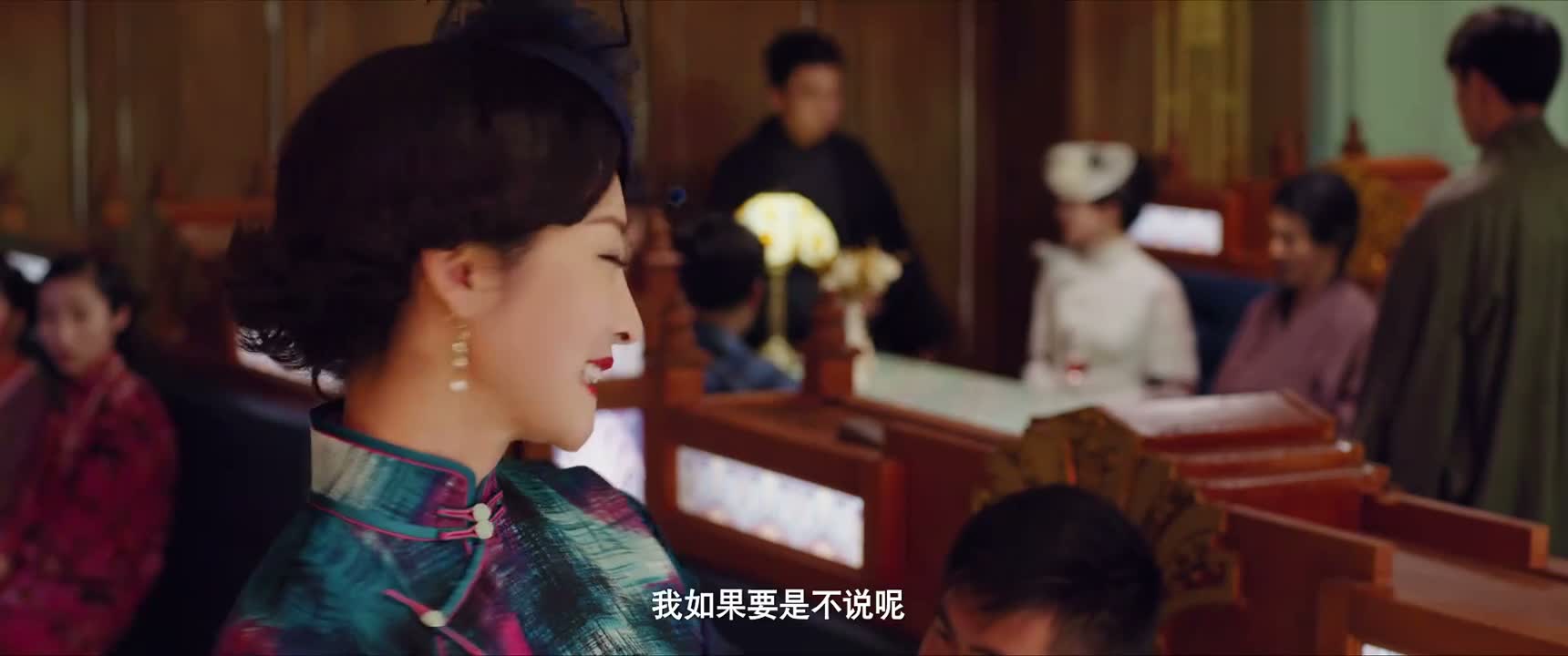
《COURT!》 S1·E7 (38:10) HSK 5
nà nán dào wǒ yào bǎo chí chén mò ma

那难道我要保持沉默吗

“Was I supposed to just stay silent?”

《COURT!》 S1·E7
TIMECODE: 38:10 · 1080P MASTER AUDIO

THE DIALOGUE REEL

1+1+1 SPOKEN CONTINUITY
[-1] PREVIOUS TURN nà zhǐ huì yǐng xiǎng tā men duì xiǎo shěn de pàn duàn

那只会影响他们对小沈的判断

“It's only going to skew their judgment of him.”

nà nán dào wǒ yào bǎo chí chén mò ma CURRENT FOCUS

那 难道 我要 保持沉默 吗

“Was I supposed to just stay silent?”

[+1] FOLLOW-UP TURN shū tíng hé tíng zhǎo nín

舒庭 何庭找您

“Ms. Shu, Chief Judge He wants to see you.”

Subtitles synced to millisecond timecode Browse Show Clips →
Scene: Workplace
Function: CHALLENGING SUGGESTION
Tone: DEFENSIVE
Emotion: FRUSTRATION
WHAT THEY REALLY MEAN (PRAGMATIC SUBTEXT)
“I refuse to just sit here quietly and let this happen.”
💡 Cultural Insight: Speaking Out vs. Harmony

In Chinese professional settings, staying silent is often advised to preserve organizational harmony, making a direct refusal to stay silent a strong act of defiance.

INTENT TAGS: #refusal #protest #challenging #self_defense
🧩

LEARNING CHUNKS & PARTICLES

2 CHUNKS · 1 PARTICLES
难道 SPOKEN CHUNK

could it be that / do you mean to say

A common rhetorical marker used to emphasize the absurdity of an opposing view or assumption.

保持沉默 SPOKEN CHUNK

to keep silent / to remain silent

Useful in both legal contexts ('right to remain silent') and daily disagreements where someone refuses to speak.

Modal Particle「吗」 (ma) CHANGE OF STATE

Converts the rhetorical statement into an interrogative challenge, demanding a reaction from the listener.
🏮

VOCABULARY & EXPRESSIONS

3 EXPR · 5 GRAMMAR
CROSS-CINEMA CORPUS BOARD · PARALLEL SCENES

Parallel Spoken Cinema Scenes (语义近邻切片)

EXPLORE BY SEMANTIC SIMILARITY
《COURT!》 S1·E7 (38:10) · Authentic Cinema Dialogue Corpus