我妈没有一天对你不好吧 我妈这么大岁数了
“my mom was always good to you. She's an old woman now.”
THE DIALOGUE REEL
咱俩从刚开始好的时候到现在
“From the very beginning,”
我妈 没有一天 对你不好 吧 我妈 这么大岁数了
“my mom was always good to you. She's an old woman now.”
“Why can't she see the boy? Your mother? How exactly did she treat me?”
“My mother has been good to you and she is old, so you are being terribly unreasonable and cruel.”
In Chinese familial conflicts, invoking an aging parent's vulnerability is frequently weaponized to claim the moral high ground and paint the in-law as unfilial.
LEARNING CHUNKS & PARTICLES
such an advanced age; getting so old
Commonly invoked in spoken Chinese to evoke respect, pity, or moral duty toward elderly family members.
not a single day; never
Used for hyperbolic emphasis to assert consistent, unwavering treatment over time.
Converts the rhetorical statement into an aggressive tag-question seeking confirmation.
Indicates a newly attained state or condition, emphasizing the mother's elderly vulnerability.
VOCABULARY & EXPRESSIONS
Parallel Spoken Cinema Scenes (语义近邻切片)

“The point is that my mom is getting older,”
“his mother fell ill over time”

“My mom said she was fine at first. Without considering”
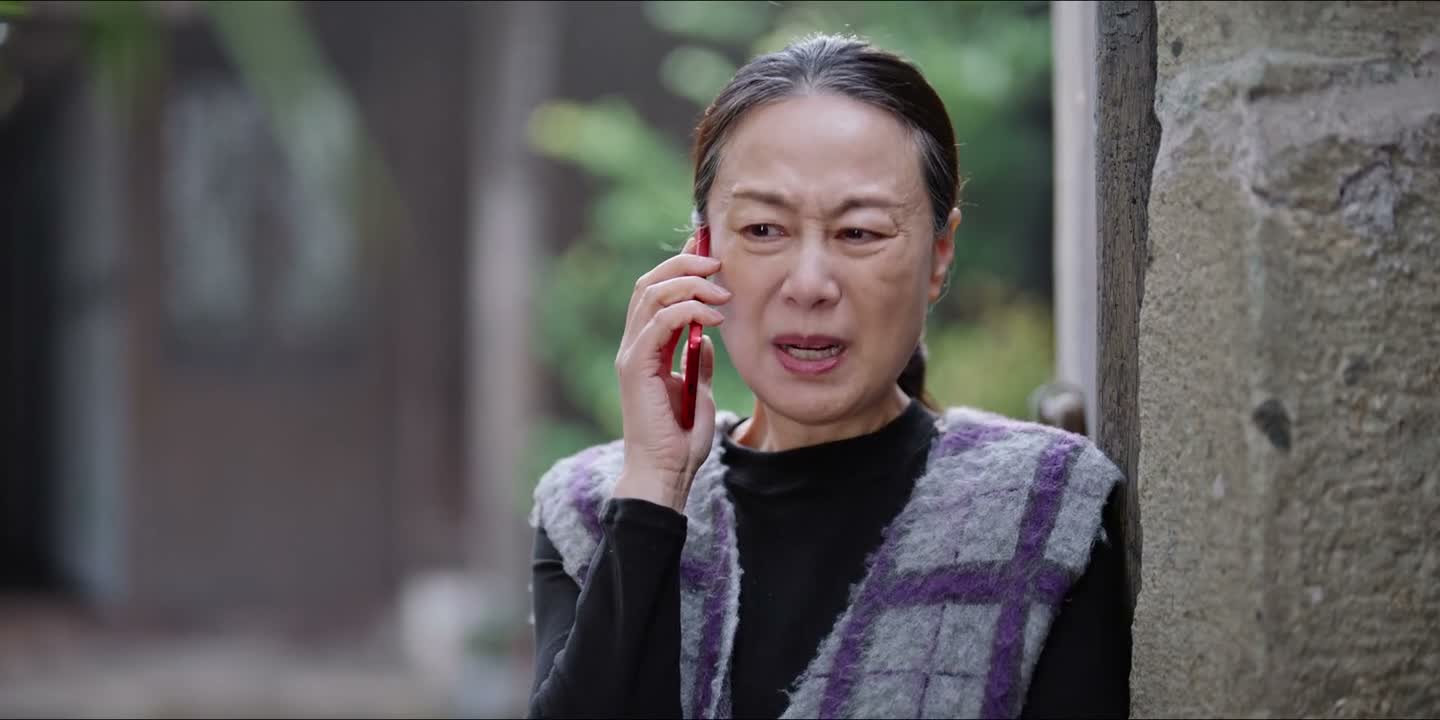
“I really couldn't go on otherwise.”
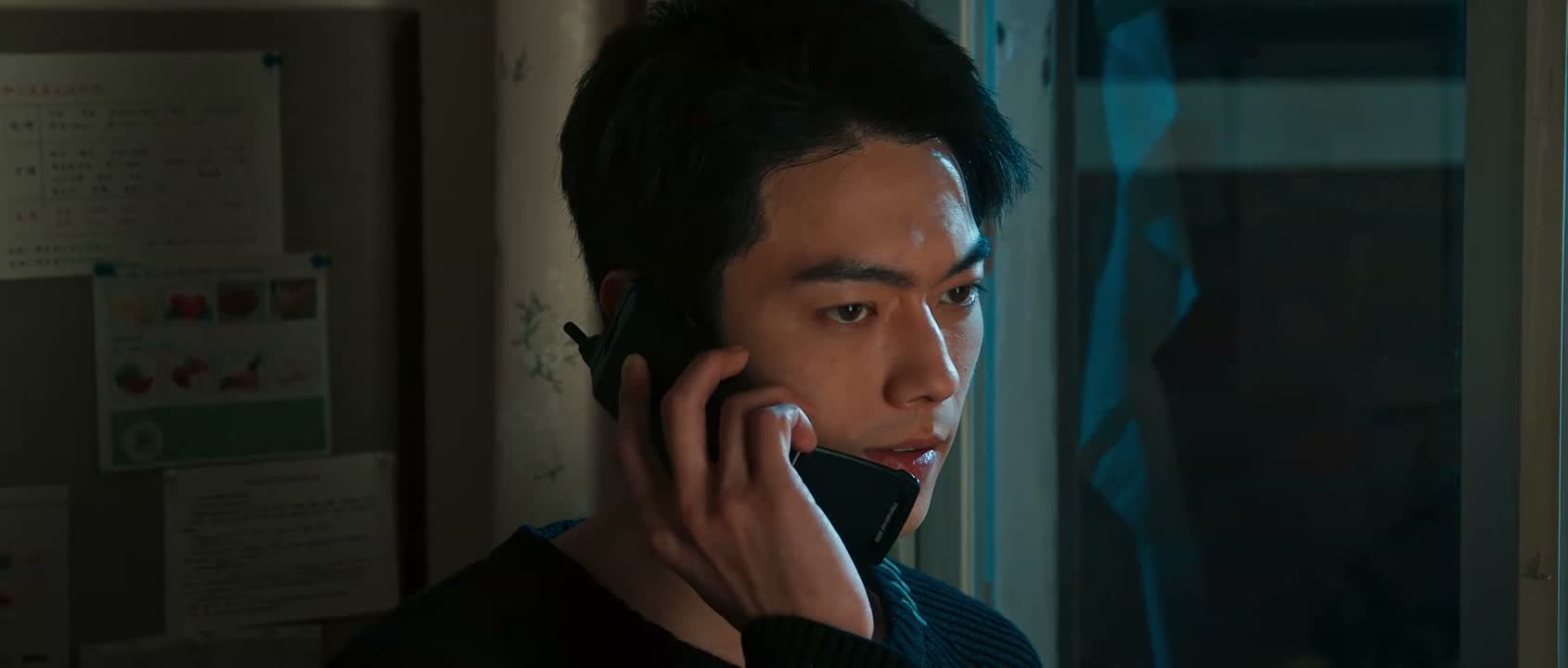
“Your mother's cooking is delicious.”

“Your mom uses them better than I do.”