我在那儿等他 你知不知道他干什么了
“I was waiting for him there. Do you know what he did?”
THE DIALOGUE REEL
刚才虾仔出现了
“Shrimpie appeared just now.”
我在那儿 等 他 你知不知道 他 干什么了
“I was waiting for him there. Do you know what he did?”
“How would I know? Stop pretending. You know everything.”
“You know exactly what went down, so stop acting oblivious.”
In Chinese interpersonal conflicts, asking whether someone knows what happened is often a rhetorical trap rather than an information request.
LEARNING CHUNKS & PARTICLES
do you know; you have no idea
Often used rhetorically to create dramatic tension or demand attention before revealing shocking news.
what (someone) did
Frequently carries an accusatory undertone indicating that something improper occurred.
Marks the completion of an action that has current relevance or shocking consequences.
VOCABULARY & EXPRESSIONS
Parallel Spoken Cinema Scenes (语义近邻切片)

“Are they over there? Wait here. I'll go check.”
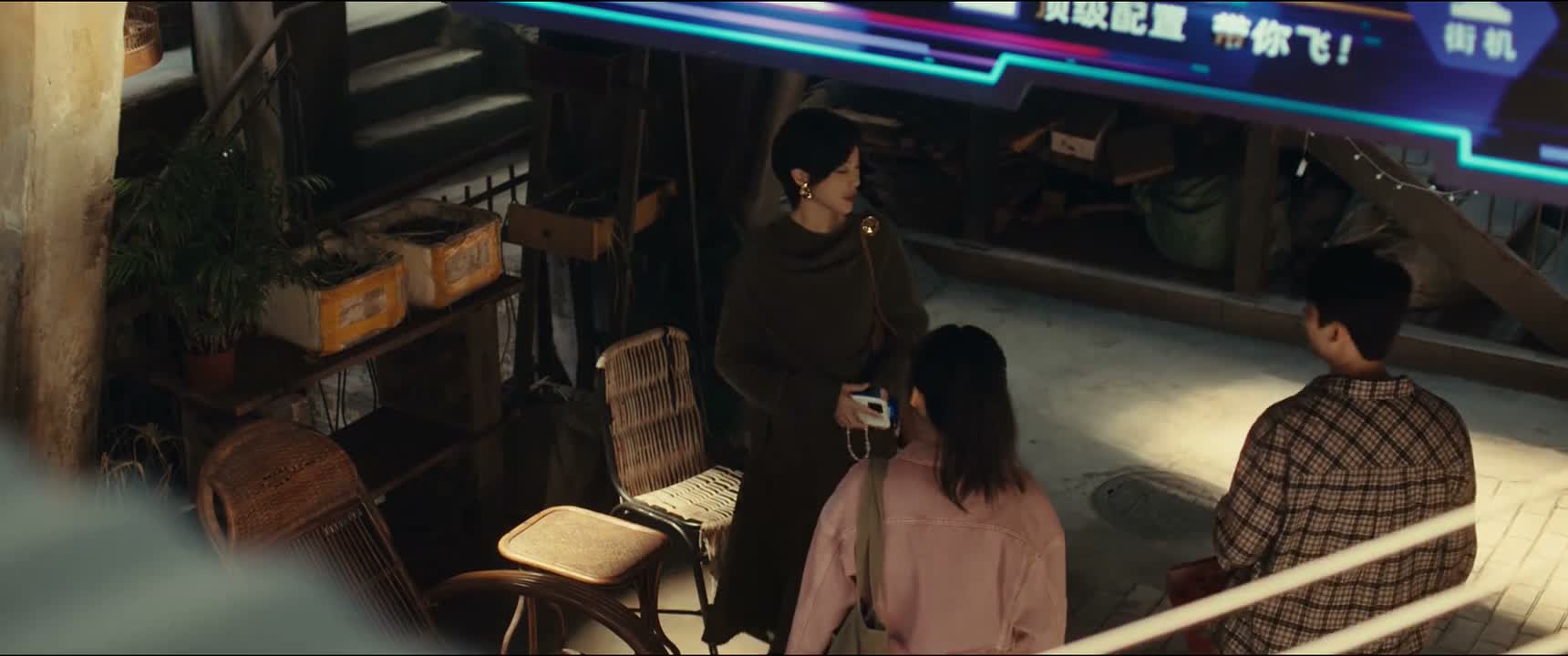
“I went looking for him at his place, but he wasn't there. I'll wait for him here.”
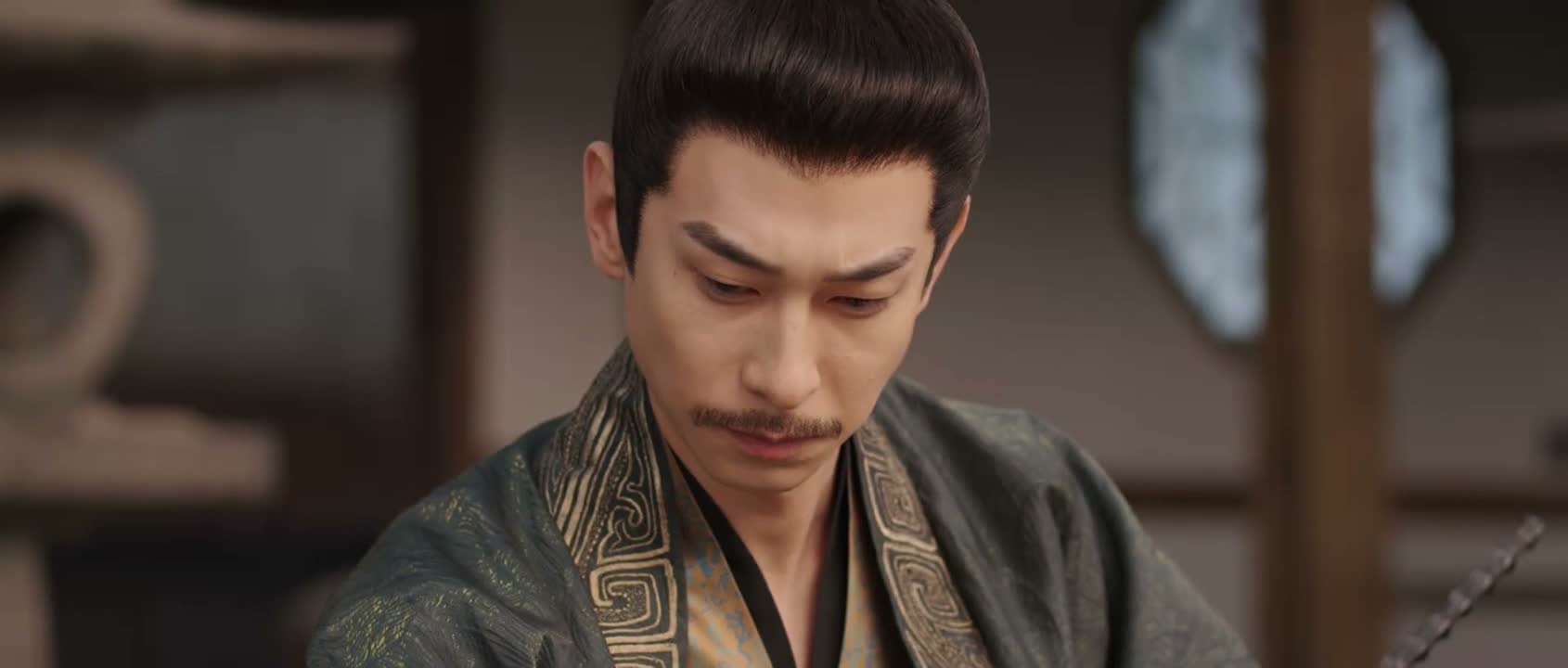
“I kept waiting for him to come back.”

“So this is what you really want.”

“I waited there for ages. Didn't you see me?”

“I'm already waiting for him at the airport.”