都几点了 你要去哪儿啊你
“Where do you think you're going at this hour?”
THE DIALOGUE REEL
我让你 报应
“Here's your karma.”
都几点了 你要去哪儿啊 你
“Where do you think you're going at this hour?”
小名
“Xiaoming.”
“It is way too late for this nonsense—stay right where you are!”
Rhetorically invoking the late hour ('Dou ji dian le') is a classic Chinese parenting tactic to assert control and prohibit impulsive departures during conflicts.
LEARNING CHUNKS & PARTICLES
look what time it is / it is so late already
A standard rhetorical reprimand highlighting that an action is inappropriate given the late hour.
where are you going
A direct query commonly used to question someone's movement or departure.
Marks the advanced progression of time, stressing urgency and unreasonableness.
Intensifies the interrogative tone into a sharper, more agitated confrontation.
VOCABULARY & EXPRESSIONS
Parallel Spoken Cinema Scenes (语义近邻切片)

“It's late. Go home now.”
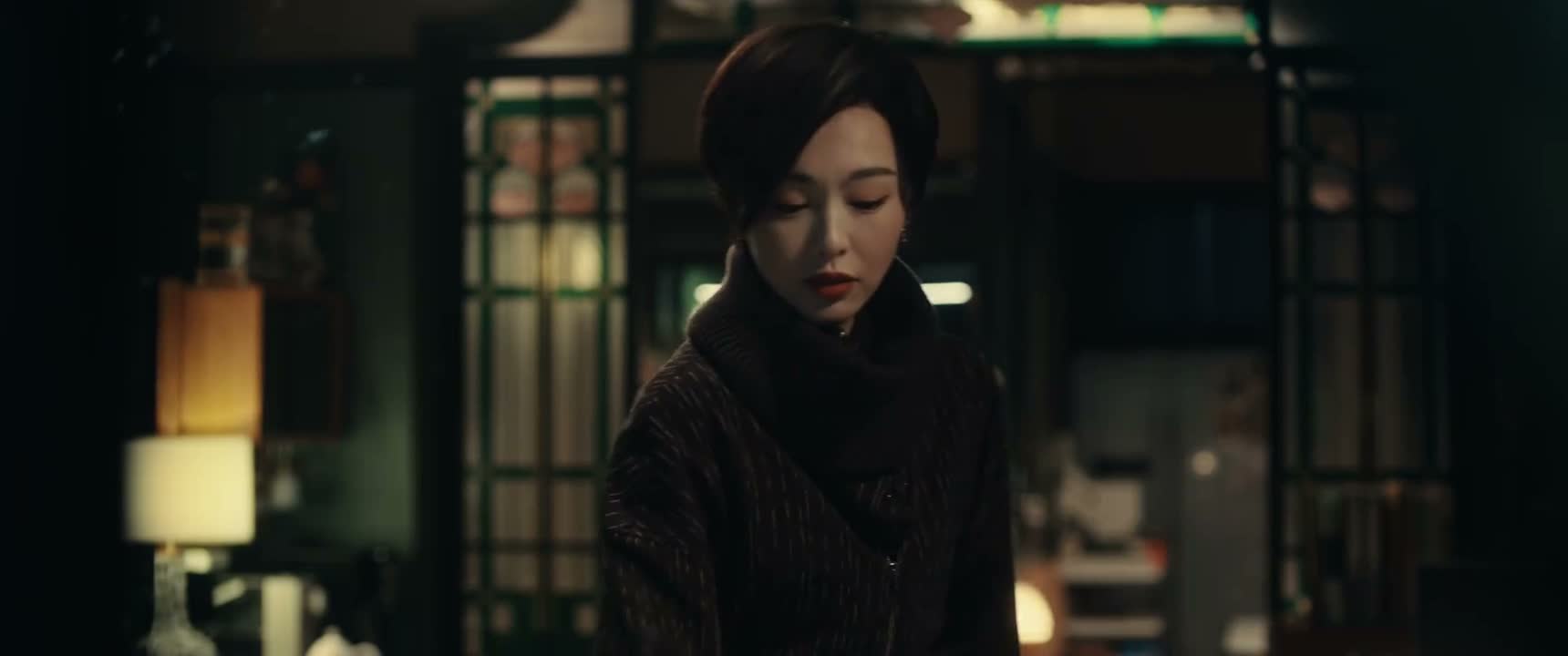
“It's late. You haven't eaten, right? Let's go. I can't eat.”

“Look at the time!”

“Look how late it is.”
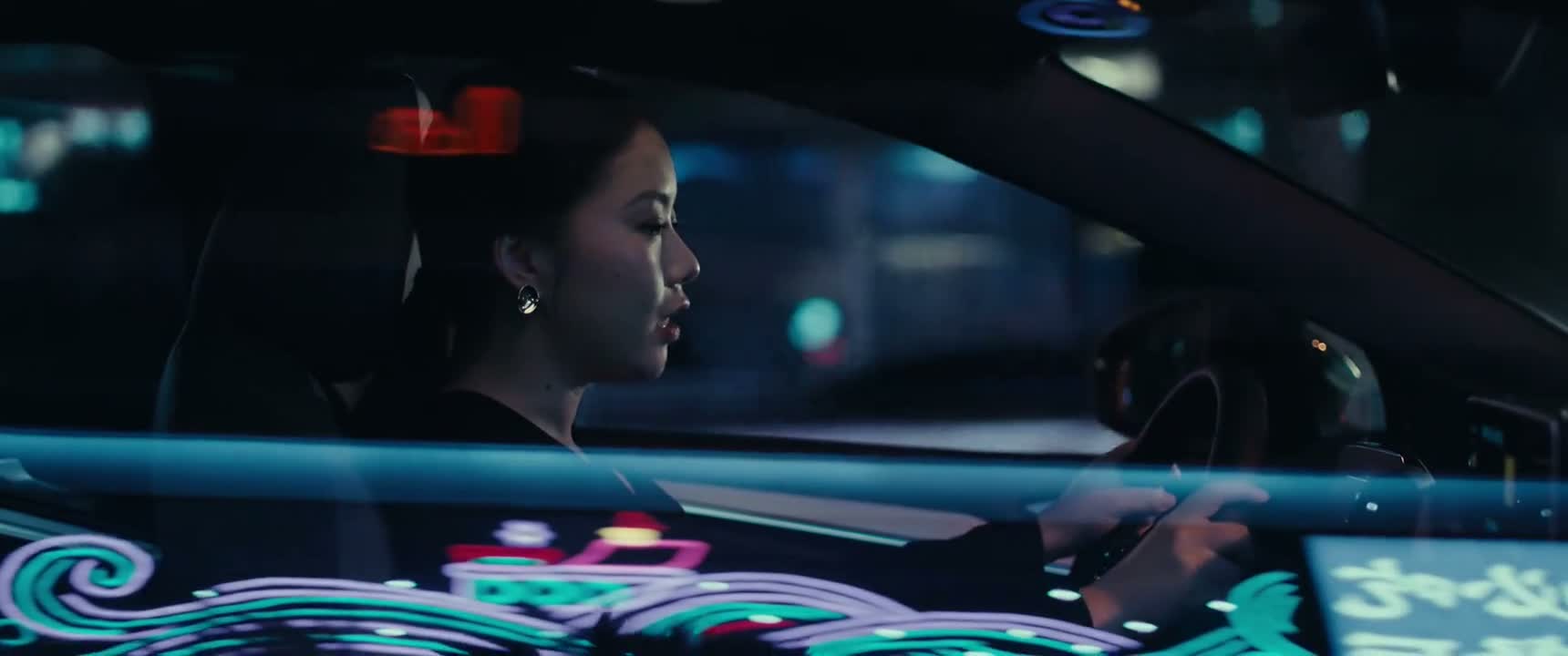
“Get here around 9:00 AM.”

“Do you have the time?”