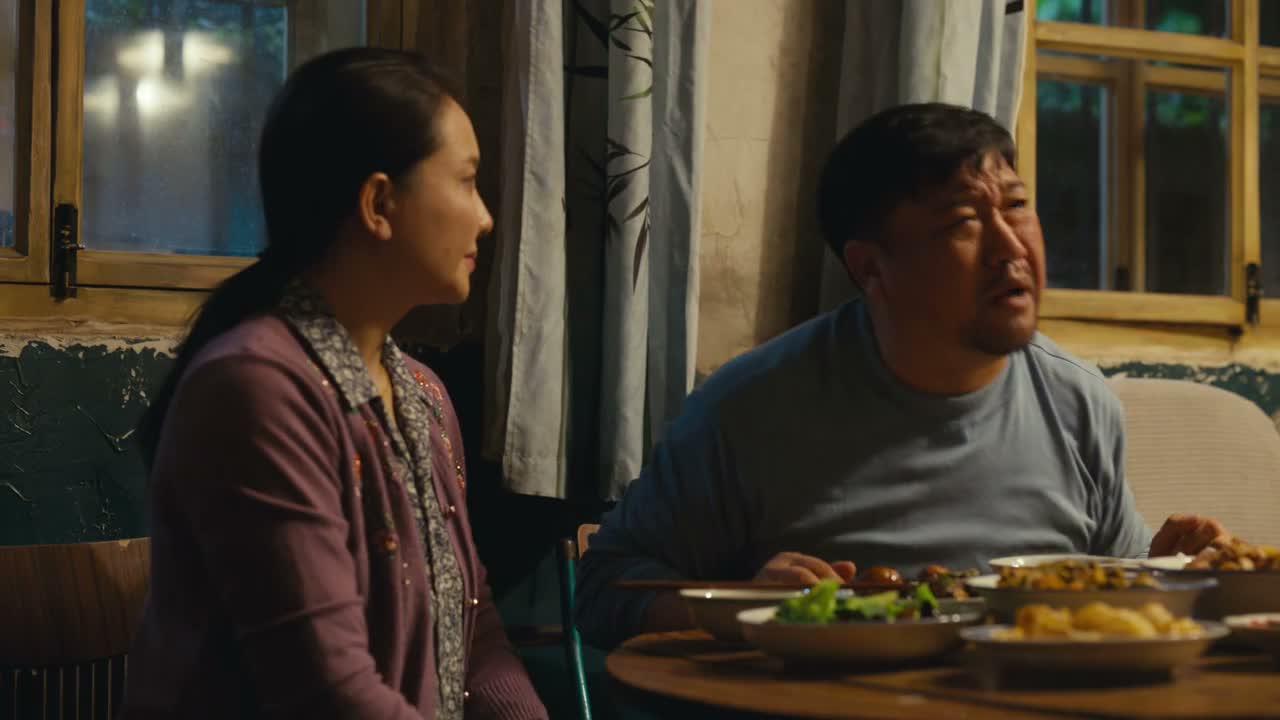
《Our Dazzling Days》 S1·E14 (17:21)
HSK 2
nà bù dé huí qù shàng xué ma
那不得回去上学吗
“Don't you have to go back to school?”
《Our Dazzling Days》
S1·E14
TIMECODE: 17:21
·
1080P MASTER AUDIO
THE DIALOGUE REEL
[-1] PREVIOUS TURN
wǒ shě bù dé nǐ
我舍不得你
“I don't want to leave you.”
nà bù dé huí qù shàng xué ma
CURRENT FOCUS
那不得 回去 上学 吗
“Don't you have to go back to school?”
[+1] FOLLOW-UP TURN
nǐ bù xiǎng zǒu
你不想走
“You don't want to leave.”
Subtitles synced to millisecond timecode
Browse Show Clips →
Scene:
Social & Dating
Function:
GENTLE REMINDING
Tone:
GENTLE
Emotion:
SADNESS
WHAT THEY REALLY MEAN (PRAGMATIC SUBTEXT)
“I know we hate being apart, but you have no choice—your education comes first.”
💡 Cultural Insight: Prioritizing Education Over Romance
In Chinese culture, pragmatic obligations—especially educational credentials—are expected to take precedence over romantic attachment and emotional longing.
INTENT TAGS:
#rationalizing
#reminding
#reluctance
#parting
🧩
2 CHUNKS · 1 PARTICLES
LEARNING CHUNKS & PARTICLES
不得
SPOKEN CHUNK
must; have to (in rhetorical questions)
Pronounced 'bù děi', this is a colloquial spoken auxiliary indicating strong necessity or obligation.
回去上学
SPOKEN CHUNK
to go back to school
Everyday spoken phrase used when returning to studies after a break or holiday.
Modal Particle「吗」 (ma)
CHANGE OF STATE
Forms a rhetorical question that prompts agreement rather than asking for unknown information.
🏮
3 EXPR · 6 GRAMMAR
VOCABULARY & EXPRESSIONS
COLLOQUIAL EXPRESSIONS:
CROSS-CINEMA CORPUS BOARD · PARALLEL SCENES
EXPLORE BY SEMANTIC SIMILARITY
Parallel Spoken Cinema Scenes (语义近邻切片)
《Our Dazzling Days》 S1·E14 (17:21) · Authentic Cinema Dialogue Corpus